
Millions of people across Europe suffer from various types of allergies. If you’re one of them and your allergy is truly wearing you down, you’ve come to the right place. In this article, we’ll walk you through all the main types of allergies, their symptoms, and practical advice on how to fight back.
What is an allergy?
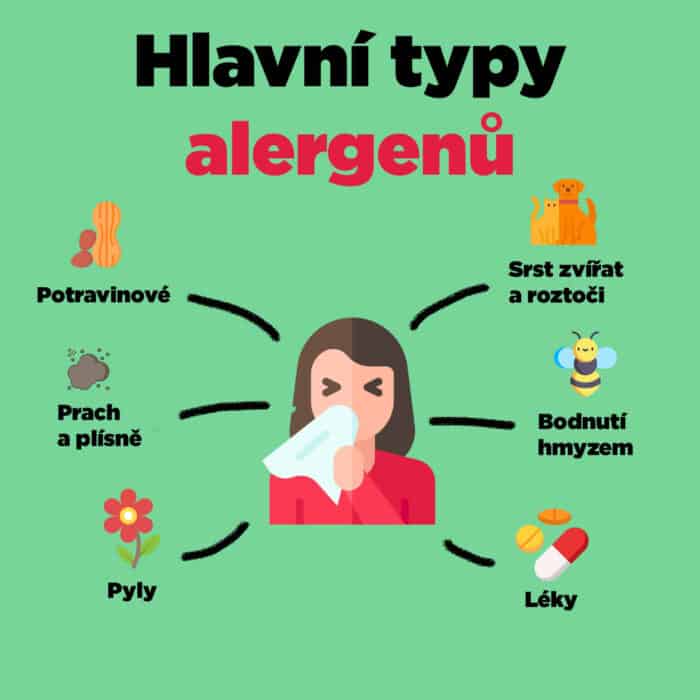
An allergy is an exaggerated reaction of the immune system to a particular substance that is harmless to most people. The substances that trigger an allergic reaction are called allergens.
Sometimes the immune system overreacts to perfectly ordinary situations. The result is a range of allergic conditions that are remarkably common in the general population. They are characterised by excessive or altered humoral or cellular immunity.
Under normal circumstances, an antibody binds to an antigen and forms a complex that does us no harm. An allergic reaction occurs when the immune system responds to such a complex in a disproportionate, overblown way. The antigen that triggers the allergic reaction can come from different sources.
- Exogenous antigen – a foreign substance that causes an allergy
- Endogenous (self) antigen – a known antigen that gives rise to autoimmune disease
You might also like: Types of allergens: Which allergens might you encounter?
Pollen allergies
Pollen allergy is an exaggerated immune response to pollen that can cause pollinosis. Pollinosis is a blanket term for the range of symptoms that result from a patient’s hypersensitivity to plant pollen.
What are the most common pollen allergens?
There are many types of plant pollen that can trigger an allergic reaction. The most common culprits include:
- Birch,
- grasses,
- mugwort,
- alder,
- ragweed.
If you’re not sure which month the plant that troubles you most is in bloom, check a pollen calendar online. A pollen forecast offers plenty of benefits — find out exactly which ones here.
Symptoms of pollen allergy:
- Red eyes,
- watery eyes,
- runny nose,
- itching, sneezing,
- blocked nose,
- headache, fatigue,
- breathing difficulties,
- asthma,
- tiredness.
Read our tips on how to get rid of allergens.
What helps with pollen allergy?
The most important step is to avoid allergens. Over-the-counter medications, herbal remedies, homeopathic products, and vitamins A and C can all provide relief. When spending time outdoors, you can also protect yourself with antiviral scarves, respirators or face masks that won’t hold you back from enjoying your day.
Another great weapon in the fight against allergy is a nasal barrier spray. It forms a protective layer inside the nose that blocks inhaled pollen, harmful substances, other allergens, and microorganisms from reaching the mucous membrane. Read more about natural nasal drops here.
For irritated eyes, eye drops work wonderfully. They moisturise the eye, soothe burning, flush away impurities and dust, and prevent the eye from drying out. Not sure which ones to choose? This article will help.
Mould allergy
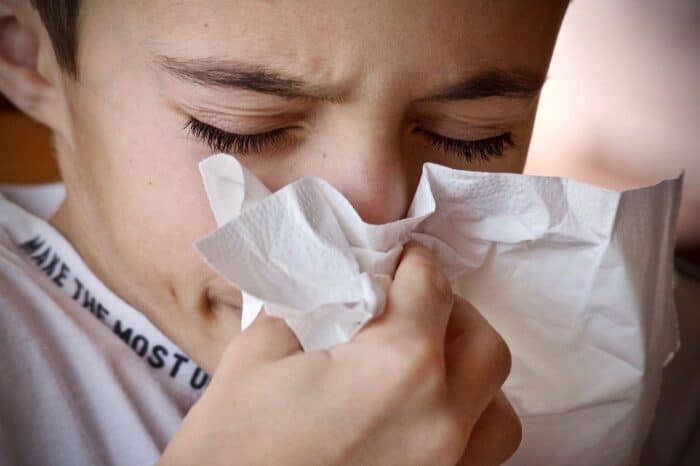
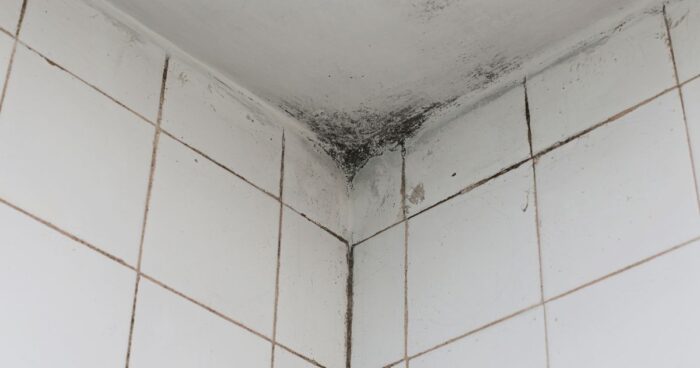
Mould can trigger allergic reactions all year round and may appear in any indoor space with elevated humidity. As mould reproduces, it releases spores into the air. It’s precisely these spores that cause allergic reactions in people with a mould allergy.
Where can you find mould?
Mould most commonly grows in areas with the highest humidity — typically basements or older houses. Mould can also be found outdoors in soil or on the surface of leaves. The allergy may flare up after contact with hay, compost, or dry soil. Mould also appears on food, although allergy from that source is relatively rare. If you spot a mouldy pepper at home, throw the whole thing away — the mould has spread throughout it, even if you can only see it on a small patch.
Symptoms of mould allergy:
- Sneezing,
- blocked nose,
- cough,
- itchy eyes.
What helps with mould allergy?
The key is to avoid contact with mould. If humidity in your home is high (you can easily check it with an inexpensive hygrometer), consider using a dehumidifier. You can read about how to reduce indoor humidity here, and if you already have mould that needs dealing with, head over to this article.
For allergy sufferers, the most practical option is a dehumidifier with a built-in air purifier, which also cleans the air of allergens. Read our handy guide on how to choose an air purifier and how to pick the best dehumidifier.
An ozone generator is also excellent at tackling mould. It can completely destroy all mould spores. Just be aware that while the generator is running, no people, pets, or plants should be in the room. Learn more about ozone generators here.
If you need immediate relief from a blocked nose, try a nasal irrigation pot. You can read about how nasal rinsing helps with allergies — and even the flu — here.
Dust mite allergy
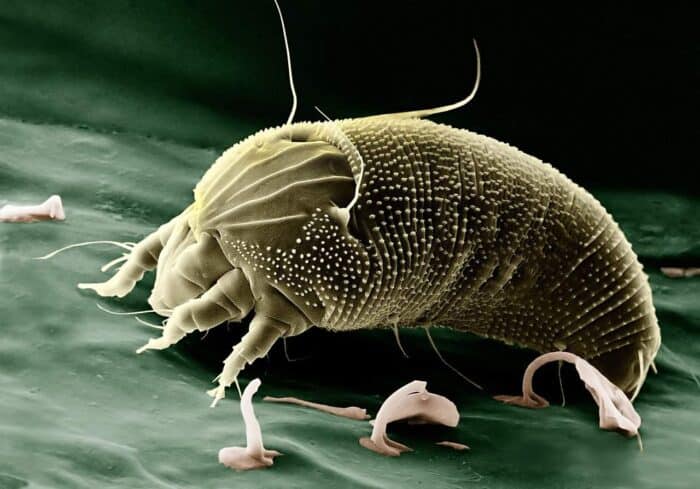
Dust mite allergy is one of the most widespread allergies in Europe. It affects all age groups. Dust mites are tiny creatures, far too small to see with the naked eye. They feed on flakes of human skin, as well as mould, bacteria, and yeasts. There are also plenty of myths about dust mites that you might believe — check them out here.
For detailed information about dust mites, read this article.
Where can you find dust mites?
Dust mites are most commonly found in mattresses, duvets, pillows, carpets, and blankets. You can never get rid of them completely or avoid them entirely — they live in our homes wherever it’s warm and damp. Their absolute favourite spot? Your bed, of course.
Symptoms of dust mite allergy:
What helps with dust mite allergy?
Dust mite allergy can have a real impact on your daily life and is often accompanied by allergic asthma. So how do you defend yourself effectively? Prevention and allergen avoidance are key. Make sure to air your rooms regularly — even 30 minutes in the morning helps. Wash your sheets and bedding once a week using gentle detergent, and wash your duvets and pillows once a year.
A great ally in the fight against dust mites is anti-dust-mite bedding. This includes duvets, pillows, and blankets made from nano-fabric. Its structure is as fine as a spider’s web, so dust mites simply cannot breed or accumulate in it.
If you have a child who suffers from a dust mite allergy, anti-dust-mite bedding can make a significant difference. Find out what works best for allergy sufferers — allergy-proof covers or anti-dust-mite duvets and pillows. And don’t forget to check out our review of nanoSPACE anti-dust-mite bedding.
Just like with mould, you can also say goodbye to dust mites with an ozone generator. Everything you need to know about it is right here.
Read more about how to get rid of dust mites.
Dust allergy
Dust allergy is quite often treated as something separate from dust mite allergy. In reality, however, a true “dust allergy” doesn’t exist. People do experience allergic reactions when exposed to dust, but that’s because dust contains dust mites and their droppings. A dust allergy is therefore actually a dust mite allergy — you can read more about it here.
You can protect yourself from dust not only with antiviral scarves and respirators, but also by investing in a quality air purifier. Other options include photocatalytic coatings and, of course, anti-dust-mite bedding.
You might also like: 10 tips for dealing with a dust allergy
Pet allergy
Pet allergy is no fun for anyone — least of all children. Some kids can’t bring a furry friend home because they’re allergic to animal fur, which can also harbour dust mites. Symptoms appear immediately upon contact with the animal or shortly afterwards.
What causes pet allergy?
The trigger is allergens found in animal fur. More specifically, these are tiny protein particles in skin flakes and secretions from skin glands. Additional allergens are present in sebum, saliva, sweat, droppings, and urine.
Symptoms of pet allergy:
- Sneezing,
- runny nose,
- watery eyes,
- itchy eyes,
- hives,
- itchy skin.
What helps with pet allergy?
Don’t jump to the worst-case scenario and rehome your four-legged companion just yet. Start by trying not to kiss or cuddle your dog or cat too much, and don’t let them sleep in your bed. Remove carpets and blankets where pet hair tends to collect.

An ideal solution is an air purifier, which keeps allergen levels in your home as low as possible. The most effective models are those with a HEPA filter, capable of capturing particles as small as 0.3 microns — meaning most allergens.
Find out how to choose an air purifier.
If you’re still considering getting a pet and you live with an allergy sufferer — or simply want to reduce the risk of developing a pet allergy — look into hypoallergenic breeds. Examples include the Poodle, Bichon Frise, Siamese cat, and Siberian cat.
Food allergy
Food allergy affects roughly 3–6% of the European population. The most problematic foods include milk, soya, peanuts, shellfish, fish, egg whites, and wheat, though rarer allergies exist too — such as tomato allergy.
Symptoms of food allergy:
- Vomiting,
- abdominal pain,
- itching in the mouth,
- eczema,
- hives,
- cough,
- throat swelling.
A doctor can identify your specific food allergy through a skin prick test, oral challenge test, or laboratory analysis. After that, you’ll need to avoid the offending allergen. Before visiting your doctor, you can also try an at-home allergy test.
You might also like to know what food intolerance is and how to manage it.
Sun allergy
Sunbathing is a beloved part of summer for many people. For some, however, the sun can trigger an unpleasant allergic reaction. Sun allergy, also known as photodermatosis, is a skin reaction that appears after exposure to sunlight. It is caused by excessive skin sensitivity to UV rays.
Symptoms of sun allergy:
- Itchy skin,
- skin redness,
- rash.
There are various treatment options. The most common are medications and creams containing corticosteroids, which help reduce itching. Antihistamines may also be prescribed to suppress the allergic reaction. In summer, people with a sun allergy should use natural sunscreen that offers both UVA and UVB protection. Learn how to choose a natural sunscreen here. Another option is UV-protective clothing.

Drug allergy
Drug allergy is an unwanted immune reaction to certain medications. These reactions can be triggered by a wide range of drugs, including antibiotics, anti-inflammatory medications, painkillers, and many others.
Symptoms of drug allergy:
- Rash, itching, or skin redness,
- breathing difficulties,
- swelling,
- nausea,
- in some cases, anaphylactic shock.
Treatment depends on the severity of the symptoms. Mild allergic reactions can be managed with antihistamines, which help suppress allergic symptoms. Glucocorticoids are often used for inflammatory reactions. In cases of acute anaphylaxis — a severe, life-threatening reaction — epinephrine may be administered via an auto-injector pen.
Tattoo allergy
Tattoo allergy is an immune reaction that occurs after ink is applied to the skin. The body perceives the tattoo ink as a foreign substance and mounts an immune response. This can lead to uncomfortable symptoms and complications.
Symptoms of tattoo allergy:
- Skin redness and swelling,
- itching and burning,
- rash and bumps,
- blisters,
- irritated, dry skin.
The best prevention is, of course, to skip the tattoo altogether. But if you really want one, choose a reputable tattoo studio, let the artist know about your sensitive skin, and follow proper aftercare. If an allergic reaction develops after the tattoo is applied, see a doctor.
You might also like: Latex allergy
Most common allergic reactions and what they mean
In the following sections, we’ll look at the most common allergic reactions triggered by the allergies listed above. You might recognise some of them yourself. Do you know what to do about them?
Hives
Hives (urticaria) look as though you’ve been stung by nettles. They’re caused by an allergic reaction and are primarily a skin condition. The rash can appear all over the body or just on certain areas such as the hands, abdomen, face, or back. Hives are divided into acute (disappearing within a few weeks) and chronic (persisting beyond six weeks of treatment). The allergen can be virtually anything, but the most common triggers are unsuitable cosmetics, laundry detergent, food, medication, or insect stings.
Symptoms of hives:
- Clear blisters,
- blood-filled blisters,
- swelling.
Treatment for hives includes antihistamines, corticosteroids, and menthol ointments. Your doctor will recommend the right medication — make sure you see one. Quality clothing, lukewarm showers, compresses, and herbal baths can also help.
Allergic asthma
This is a respiratory condition in which the most common allergens are pollen, dust, and animal fur. The allergen enters the airways and can trigger an asthma attack. Children living in cities near industrial zones are particularly at risk.
Symptoms of allergic asthma:
- Shortness of breath,
- difficulty breathing,
- cough,
- swelling of the airway mucosa,
- excess mucus.
Your doctor will most likely recommend medications that dilate the bronchial tubes and reduce airway inflammation. Inhaled corticosteroids are also commonly prescribed.

Allergic conjunctivitis
Allergic conjunctivitis is caused by an allergic reaction in the conjunctival sac. It is most often associated with pollen allergy and allergic rhinitis, which share very similar symptoms.
Symptoms of allergic conjunctivitis:
- Itchy eyes,
- burning eyes,
- swollen eyelids,
- watery eyes
Antihistamines in the form of eye drops, corticosteroids, and protective sunglasses can all help.
Key takeaways
The number of adults and children living with some form of allergy is growing every year. The good news? You can absolutely live well with an allergy. The most important thing is to identify the allergen that causes your problems and successfully avoid it. If you experience any of the symptoms mentioned above, be sure to see your doctor. They’ll either rule out an allergy or confirm it.
You might also like: Allergies in children
Frequently asked questions
What is the most common allergy?
The most common allergies are pollen allergy and dust mite allergy. Air purifiers are among the most effective ways to ease their symptoms.
How do I know if I have an allergy?
The most common symptoms of an allergy include sneezing, a blocked nose, and itchy eyes. Read our article dedicated to this topic. Before seeing a doctor, you can also try a home allergy test.
How do I know if I have a dust allergy?
A dust allergy is actually a dust mite allergy. Symptoms can include a runny nose, conjunctivitis, eczema, cough, breathing difficulties, poor sleep, and fatigue. The allergy tends to worsen at night when you’re in bed — the place where dust mites are most concentrated. Try anti-dust-mite bedding and you may barely notice your allergy at all.
Can you get rid of an allergy for good?
There’s no complete cure for allergies. However, there are plenty of ways to reduce your symptoms so much that they no longer hold you back.
How can I manage allergies without medication?
As we’ve mentioned, you’ll never eliminate an allergy entirely. But you can significantly reduce its impact through regular hoovering, dusting, frequently washing your bedding, and purifying the air.