
Getting out of the city is a wonderful way to escape the daily grind and breathe in some greenery. Even allergy sufferers can enjoy summer day trips like these — as long as they follow a few key guidelines. Start by choosing locations away from meadows full of flowering grasses; stays by lakes, in coniferous forests, or in mountainous areas where pollen counts tend to be lower are ideal. It’s worth bringing a foldable tent or parasol to provide shade and partial protection from airborne allergens. Antihistamines and sunglasses should always be within reach — the glasses help limit direct contact between pollen and your eyes. And no outdoor trip would be complete without a barbecue — a perfect way to enjoy quality time in the fresh air, as long as you steer clear of excessive smoke that could irritate your airways.
Water Fun
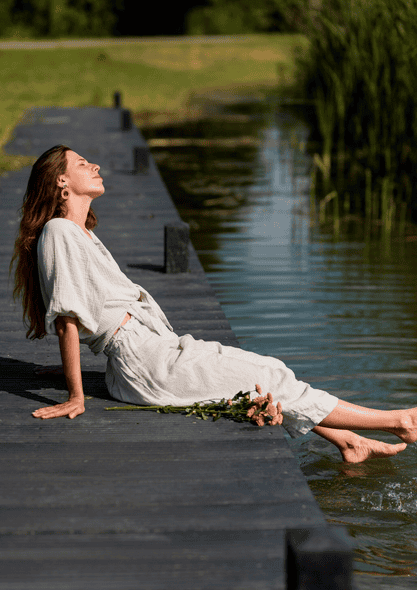
Physical activity outdoors doesn’t have to mean running through pollen-laden grass. Water activities are a brilliant alternative, significantly reducing the risk of allergic reactions. Children and adults alike can splash around without worrying about sneezing or irritated eyes — plus it’s a fantastic opportunity to relax and strengthen bonds with family and friends. Make sure to pack a towel and dry clothes, though, because lingering moisture can worsen skin condition in people with atopic eczema. Handy additions include water toys such as water pistols, inflatable paddling pools, or garden sprinklers. These aren’t just fun — they also help reduce direct contact with allergens, since a damp environment lowers the amount of pollen in the air and eases allergy symptoms.
Preparation Is Key
If you want to enjoy time in nature despite having allergies, thorough preparation is essential. Keep an eye on pollen calendars and up-to-date forecasts — there are plenty of mobile apps and weather services that report current allergen levels in the air. During peak pollen season, plan your outings near water or in the mountains, where pollen concentrations are noticeably lower. Your travel first-aid kit should include antihistamines, and possibly an inhaler or eye drops. Clothing matters too — long sleeves, a hat, and sunglasses effectively reduce contact between your skin, eyes, and allergens. Once you get home, shower and change your clothes straight away to avoid carrying pollen indoors.
Tech Helpers on the Go
Modern technology can be a valuable ally both when planning your trip and while you’re out in nature. Apps that track real-time pollen dispersal let you tailor activities to daily conditions, minimising the risk of acute flare-ups. Smartwatches with air-quality monitoring can alert you to rising allergen levels in real time, allowing you to adjust your plans promptly — for instance, moving from a sun-drenched meadow into a shady forest. Some modern filtration masks also combine high filtration efficiency with comfortable wear even on longer outings, which is especially useful during the spring and summer months when pollen counts are at their highest.
Although allergies can feel like a barrier to spending time outdoors, they don’t have to stand in the way of a truly restful break. With a few simple precautions and careful planning, you can enjoy outdoor gatherings with family and friends, water-based fun, and peaceful relaxation surrounded by greenery — all without the unpleasant symptoms. The biggest key to success? Knowing your own body, avoiding high-risk situations, and learning to enjoy the beauty of spring and summer on your own terms.