Pollen allergy symptoms can vary enormously from person to person. For some, a pollen allergy means little more than a minor nuisance. Others shudder at the mere sight of freshly mown grass, blossoming trees, and colourful wildflowers — because it signals the start of a miserable stretch. Whether you fall into the first camp or the second, one thing is certain: ignoring a pollen allergy is never a good idea.
What is pollen allergy?
An allergy is an exaggerated immune-system response to substances that are normally harmless. When an allergy sufferer encounters an allergen, the body misjudges the threat. It mistakenly decides that the substance — in this case, pollen — is dangerous and mounts a defence. This triggers the production of immunoglobulin E (IgE) antibodies, which in turn causes the unwanted allergic reaction.
Pollen allergy is one of the most common allergic conditions and is also known by its medical name, pollinosis. The allergic reaction is triggered by airborne pollen grains from various herbs, grasses, and trees that settle on the skin, in the eyes, on mucous membranes, and in the airways.
Allergy sufferers can start experiencing problems at concentrations as low as 5 pollen grains per cubic metre. During the peak season, the average airborne concentration ranges from 100 to 500 pollen grains per m³.
You might also like: Types of Allergens: What Allergens Might You Encounter?
Most common pollen allergy symptoms
Pollen allergy symptoms often look a lot like a common cold. One telltale sign is that you suffer from the same set of problems at the same time every year — usually within a very specific window.
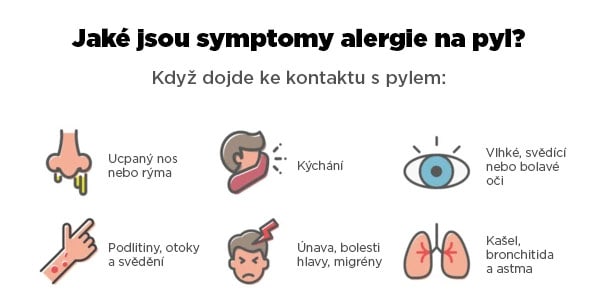
The most common pollen allergy symptoms include:
- Runny nose – irritation of the nasal mucosa leads to itching, sneezing, excessive watery discharge, and swelling that obstructs normal breathing
- Itching and burning of mucous membranes – burning or itching in the mouth, nose, throat, and ears is very common
- Allergic conjunctivitis – puffy, watery eyes, redness, and inflammation of the conjunctiva can all be signs of a pollen allergy
- Eczema – more sensitive individuals may experience itchy skin irritation, redness, and rashes
- Headaches – these usually result from nasal congestion and impaired breathing. Beyond forehead pain or pain behind the eyes, you may also feel an unpleasant sense of pressure
- Asthma – more severely affected individuals may struggle to take a full breath. They produce excess thick mucus that causes persistent coughing, and asthma may also present with the characteristic wheezing in the airways
Pollen allergy places a considerable strain on the body, so all of the symptoms listed above may also be accompanied by sleep problems and fatigue. In some cases, additional complications arise — including loss of smell, loss of taste, or sinus infections.
The intensity of symptoms naturally varies a great deal from one person to another. Fortunately, there are now quite a few ways to ease the symptoms of pollen allergy so they interfere with your daily life as little as possible.
Source: brainpedia.cz
Plants that most commonly cause pollen allergy
Our planet is home to countless plant species, but only some of them release pollen grains into the air that cause trouble for allergy sufferers.
Among the biggest pollen “polluters” are the invasive plants of the genus Ambrosia (ragweed). A single plant can produce up to 1 trillion pollen grains during its pollen season from July to early October. Because the grains are extremely small (about 22 μm) and light, the wind carries them incredible distances. It is even reported that ragweed pollen has been found in the atmosphere at altitudes above 3 km and in the air over the sea roughly 640 km from the nearest land.
Since people often develop allergies to the pollen of grasses, cereals, herbs, and trees, here are at least some of the species that cause the most problems for allergy sufferers.
- Trees: beech, birch, hornbeam, ash, juniper, maple, elm, larch, plane, poplar, lilac, plum, sour cherry, cherry, willow, alder, privet, horse chestnut, walnut, hazel, chestnut, cypress
- Herbs/Weeds: mugwort, rapeseed, ragweed, goldenrod, dandelion, sunflower, goosefoot, orache, amaranth, nettle, sorrel, plantain, clover, mustard, alfalfa, hop, butterbur, lucerne
- Grasses and cereals: couch grass, ryegrass, foxtail, bent grass, meadow grass, rye, sweet vernal grass, cocksfoot, brome, maize, soft brome, fescue, timothy, reed, oat-grass, sweet grass, quack grass, orchid grass, sorghum
Pollen concentrations in the air tend to be highest during sunny, dry, and windy weather. Rain, on the other hand, reliably reduces the amount of airborne pollen. Curious about which pollens peak when? Take a look at the pollen calendar.
TIP: Spring Allergies
Cross-reactivity – watch out for foods
Pollen allergy is often accompanied by hypersensitivity to certain fruits and vegetables. Cross-reactivity occurs because of similarities in allergen structure. The overlap is typically more than 70 %. In fact, cross-reactivity between pollen and food is the most common cause of food allergy in adults and adolescents.
If you are allergic to birch pollen, for example, you are very likely to have problems with apples, celery, carrots, or hazelnuts as well.
Symptoms of a cross-reactive allergic response usually appear within minutes of eating the problematic food. The main signs include burning of the lips, tongue, and palate, a scratchy throat, swelling of the mouth and throat, a rash, difficulty swallowing, and sometimes even shortness of breath. In truly severe cases, anaphylactic shock can develop — though this is extremely rare. Cross-reactivity symptoms typically resolve on their own within one hour.
Roughly 40 % of Europeans have a pollen allergy
The body undergoes many changes throughout life, which means sensitivity to pollen often shifts over the years. Being born with a pollen allergy is by no means the rule. In early childhood — up to about age 5 — pollen allergy is actually quite rare. In children over 5, pollen allergy most commonly takes the form of seasonal allergic rhinitis.
As people get older, the number of allergy sufferers rises and symptoms can worsen. The toughest period, from this perspective, is adolescence and early adulthood — this is when people tend to struggle the most. After that, pollen sensitivity in the population gradually declines.
This trend, however, is not a hard-and-fast rule. A pollen allergy can develop at any point in life.
Possible triggers of (pollen) allergy:
- Hormonal changes – puberty, pregnancy, menopause, etc.
- Excessive stress – elevated levels of stress hormones exhaust the body and can lead to numerous health issues, including pollen allergy
- Medication use – antibiotics, for example, disrupt the gut microbiome and thereby affect immune-system function
- Unhealthy lifestyle – lack of exercise, poor fitness, an unsuitable diet, etc.
- Environmental pollution – research consistently shows that city dwellers are more likely to suffer from pollen allergy than people living in rural areas
Pollen allergy during pregnancy
During pregnancy, the expectant mother’s body goes through a veritable hormonal storm that can affect sensitivity to certain allergens. Some women actually notice their pollen allergy symptoms easing during this period. Unfortunately, for the majority the opposite happens — symptoms get worse.
Still, there is no need to panic. In most cases, there is no significant risk. That said, nothing should be underestimated. A woman with allergies should see her specialist as soon as possible after becoming pregnant so that appropriate treatment can be recommended based on her current health.
You can also ease pollen allergy symptoms by minimising contact with allergens. If you don’t want to spend your entire pregnancy shut indoors, you could try wearing a breathable summer nano scarf that prevents you from inhaling pollen grains. At home, invest in a good-quality air purifier.
Pollen allergy in dogs
Our four-legged friends are more commonly affected by food allergy, dust allergy, dust mites, mould spores, bacteria, and yeast — but dogs can develop a pollen allergy too. If your dog does suffer from pollen allergy, you’ll spot it fairly easily. The allergic reaction appears every time after a walk in flowering grass or near blossoming trees.

Most common signs of pollen allergy in dogs:
- Itchy skin = the dog constantly scratches the affected areas
- Just as in humans, red patches appear on the skin that can progress to sores
- Watery eyes and sneezing
Usually, it is enough to limit walks in areas with high pollen concentrations for the necessary period. Once the plants finish flowering, things return to normal. If your dog shows more severe pollen allergy symptoms, it’s best to visit the vet. The veterinarian will carry out a professional examination to determine what your dog is allergic to and then choose the appropriate medication. Corticosteroids or antibiotics are commonly prescribed in such cases.
Pollen allergy and COVID vaccination
Most allergy sufferers do not need to worry about COVID-19 vaccination. Experts state that there is no increased risk compared with the general population. Nonetheless, always inform your doctor about your health issues before vaccination so they can properly assess the situation. If you are receiving allergy injections for pollen, dust mites, bee venom, etc., there must be a gap of at least one week between the allergy vaccine and the COVID-19 vaccination.

Untreated allergy leads to problems
In its early stages, pollen allergy usually manifests as seasonal rhinitis. Left untreated, additional symptoms gradually pile on — watery and itchy eyes, swollen eyelids, and chronic lower-airway inflammation that can eventually lead to the development of bronchial asthma or even pneumonia. At that point, quality of life can drop dramatically.
How well you cope always depends on how you approach the allergy. Dive into the stories of elite athletes and you’ll discover that quite a few of them live with moderate to severe allergies or asthma. Thanks to various measures and medications, they manage to lead normal lives — and even excel in top-level sport — despite this “handicap.”
On the other hand, some people tend to underestimate a pollen allergy. It may not seem that bad at first, but the symptoms gradually worsen and the suffering mounts. Today, there really are plenty of ways to keep symptoms in check.
The road to a full life with minimal limitations always starts with early detection of the enemy — pollen allergy. If you notice a deterioration in your health and suspect allergies, you can easily do a home allergy test. It won’t replace a professional diagnosis from a doctor, but it can point you in the right direction.
Home allergy tests are straightforward to use — anyone can manage one after reading the instructions. They’re also fast: you’ll have your result in just 15 minutes.
If you suspect an allergy, be sure to book an appointment with your GP and then get a referral to an allergist so that treatment can begin as soon as possible.
How is pollen allergy typically diagnosed?
Some people are a bit nervous about seeing a doctor, but there’s really nothing to fear from an allergy workup. It typically follows four steps:
- Medical history (anamnesis) – you visit the doctor, who asks a range of questions to build a picture of your health. You’ll likely be asked about allergies in the family, what symptoms you have, the circumstances that make things worse, when they improve, and so on.
- Breathing tests – the doctor then uses various instruments to check your lung capacity and determine whether there is any (early) allergic inflammation in the body
- Skin prick test – this is used to pinpoint the substances you’re allergic to more precisely. It typically screens for 12–16 individual allergens. Drops of allergen solution are applied to the forearm and gently pressed into the skin with a plastic lancet. If you’re allergic to a tested substance, an itchy bump appears at the puncture site. The doctor evaluates the results after roughly 15 to 20 minutes.
- Allergy blood test – another option is a laboratory analysis of a blood sample. Specialists look for elevated levels of antibodies against specific allergens in the blood.
Even if one of the tests shows heightened sensitivity to a particular allergen, it doesn’t necessarily mean you’re an allergy sufferer. A definitive assessment is only made by the specialist after a thorough review of the whole picture. Many additional factors must be carefully weighed every time.
How to relieve symptoms?
As already mentioned, pollen grains travel through the air, so it’s impossible to avoid these allergens entirely during pollen season. At home, however, you can get an air purifier for allergy sufferers. Even with diligent precautions to limit contact with larger quantities of pollen, complete avoidance is unrealistic. That’s why effective pollen allergy treatment usually rests on three pillars: preventing contact with allergens, treating the causes, and treating the symptoms.
Conventional treatment of pollen allergy symptoms
While some pollen allergy medications are available over the counter at the pharmacy, treatment should always take place under professional supervision. Beyond the health benefits, this approach is kinder to your wallet too. Over-the-counter antihistamines, for example, come in small packs only. If you get a prescription from your doctor, your health insurance will cover part of the cost and you’ll receive a larger pack that lasts one to two months.
Antihistamines are available as tablets, nasal sprays, or eye drops. When the pollen load is lower, they are commonly used as a frontline medication for treating pollen allergy symptoms. You may remember that antihistamines used to cause quite noticeable drowsiness. That’s much less of a concern today — side effects of these drugs have been significantly reduced in recent years.

(Topical) corticosteroids are also used to relieve acute flare-ups, most commonly in the form of nasal sprays. Corticosteroids have an anti-inflammatory effect and work on mucosal swelling and excessive watery discharge, making them particularly helpful for seasonal allergic rhinitis. They are mainly suitable for short-term use to achieve rapid improvement of an acute condition. Once again, it’s best to consult your doctor before starting, because (long-term) use of corticosteroid-based medications can have adverse side effects.
Immunotherapy improves pollen tolerance
You may also come across this treatment under the names desensitisation, hyposensitisation, or — somewhat inaccurately — allergy vaccination. The principle is that a modified allergen is administered to the patient over a long period so the body gradually becomes accustomed to it. The aim is to achieve greater tolerance to the specific allergen.
When immunotherapy works, it brings about a fundamental improvement in the patient’s health, allowing doctors to prescribe substantially lower doses of pollen allergy medication.
Immunotherapy must be started at least 4 months before the pollen season begins. The full course of treatment lasts up to 3 years.
The positive effect of wearing masks and respirators
Until recently, wearing face masks and respirators in public was taboo in Europe. The SARS-CoV-2 pandemic changed that. Some people may complain about having to wear protective equipment, but people with pollen allergy cannot praise respiratory protection enough.
A well-chosen mask, respirator, or scarf acts as an effective mechanical barrier that prevents pollen grains from entering your body — so they can’t cause you harm. If you also put on sunglasses, you’ll reduce the amount of allergens that reach your body through your eyes.
Mandatory mask-wearing during the pandemic demonstrably improved the health of people suffering from pollen allergy.
Nowadays, you can even get breathable summer nano scarves that capture 97 to 99.9 % of viruses, bacteria, pollen, and other submicron particles. Our e-shop stocks summer scarves made from a cooling material in many colour options, so you no longer have to compromise between function and style. The scarf becomes an elegant fashion accessory in its own right.
Soothe irritated nasal mucosa
In addition to pollen allergy medication, it pays to use accessible supportive measures that bring relief during the difficult period. You can reduce uncomfortable nasal mucosal swelling with regular nasal rinsing using a neti pot. Warm saline water or mineral water work beautifully for this purpose. (Read more about how nasal rinsing helps against viruses and allergies here.)
With a neti pot, you can easily rinse your nose every time you come home from outdoors. You literally wash the inhaled pollen off the nasal mucosa before it can cause problems. The saline solution also supports the natural protective function of the nasal lining. That means loosened mucus, easier nose-blowing, and — most importantly — easier breathing.
Natural remedies for pollen allergy
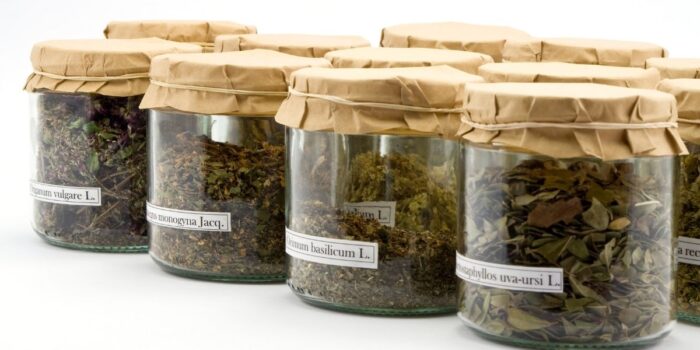
It might surprise you, but plants like blackcurrant, nettle, and perilla (perilla frutescens) can provide significant relief from the unpleasant symptoms of pollen allergy. Anyone who wants to try natural remedies for pollen allergy should consult their doctor first, though. Herbal medicine has been used since time immemorial, but every person responds a little differently. Allergy sufferers are also more sensitive to certain substances, so the wrong combination could do more harm than good.
Natural remedies don’t start working overnight. It is recommended to begin natural pollen allergy treatment before the pollen season starts and to continue until the problematic allergen disappears from the air. If you want to use the natural route to manage year-round pollen allergy, it’s advisable to take a break of several weeks after every 2–3 months of herbal use.
Well-chosen natural substances can help ease some pollen allergy symptoms while also strengthening the immune system. Homeopathic remedies for pollen allergy are also worth considering.
Which plants to choose for natural pollen allergy treatment?
- Perilla (Perilla frutescens) – a popular annual medicinal herb originating from Southeast Asia and the Indian highlands. It has a sweet yet slightly pungent flavour. The leaves are used in salads, smoothies, or as a seasoning. Among their many beneficial compounds, they contain bioflavonoids that inhibit excessive histamine production, thereby addressing the actual cause of allergic reactions.
- Blackcurrant – extracts from blackcurrant buds have a positive effect on adrenal cortex hormone secretion. They also function as natural corticosteroids. Synthetically produced corticosteroids are commonly used to treat allergies. The advantage of natural corticosteroids from blackcurrant buds is that they don’t have adverse effects on blood pressure or metabolism and don’t cause drowsiness.
- Nettle – excessive histamine production is the reason allergic reactions cause mucosal swelling and other pollen allergy symptoms. Nettle naturally blocks the production of histamine in the human body. Simply pour boiling water over dried nettle leaves, wait a few minutes, and you have a natural remedy for pollen allergy.
Preventive protection: How to reduce allergy symptoms
A simple rule applies: “If you don’t come into contact with allergens, you won’t have an allergic reaction.” Unfortunately, with pollen allergy it’s not quite that simple. Unless you’re one of the lucky few who can escape to a region where the problematic allergen doesn’t exist during pollen season, you need to put effective measures in place. At home, you can invest in an air purifier so you can at least find relief indoors.
The pollen season in the Czech Republic runs virtually from February through to autumn, but the specific pollens change throughout the period. Many people, for example, struggle mainly with spring pollen allergy. Others are bothered only by birch pollen or rapeseed pollen.
That’s why it’s well worth keeping an eye on the pollen forecast and adjusting your daily routine accordingly.
Also bear in mind that airborne pollen concentrations are influenced by the weather. During warm, dry, and windy conditions, pollen counts tend to be at their highest. After rain, on the other hand, you’ll find it much easier to breathe outdoors. Bodies of water have a similarly beneficial effect, which is why allergy sufferers are often advised to spend time by the sea.
5 practical tips for pollen allergy sufferers
- Protect yourself – the more allergens you keep out of your body, the better you’ll feel. An effective shield is, for example, a summer scarf with a nanomembrane. Don’t forget to protect your eyes with sunglasses, either. You can also use special barrier nasal drops that keep the nasal mucosa clean and moisturised. Another option is to try nasal filters.
- Change your clothes – when you get home from outdoors, it’s definitely worth changing into clean clothes and having at least a quick shower. Pollen clings easily to clothing, hair, and your pets’ fur. It can then get into your body indoors and trigger symptoms.
- Clean air – during critical periods, only open windows after rain or in the early morning. You can also install pollen screens on your windows or get air purifiers. When driving, keep the windows shut and set the air conditioning to recirculate.
- Avoid irritants – certain substances and foods can act as irritants and worsen your allergy symptoms. Problematic substances include, for example, tobacco, perfumes, or honey.
- Stay fit – good physical fitness and mental well-being naturally contribute to a properly functioning immune system.