
How many times have you told yourself you’re allergic to dust? If that’s how you explain your frequent sneezing, itchy eyes, or persistent cough, we need to set the record straight — you’re actually mistaken. Dust itself isn’t what’s causing your dust allergy symptoms. In this article, we’ll explain what’s really behind your discomfort and what you can do to get rid of those allergic reactions for good.
What is a dust allergy, really?
You’ll find plenty of sources online claiming that dust allergy is one of the most common allergies out there. That statement isn’t entirely accurate, though. While dust can irritate your airways, it isn’t actually an allergen in itself. Think of it more as a home for allergenic particles.
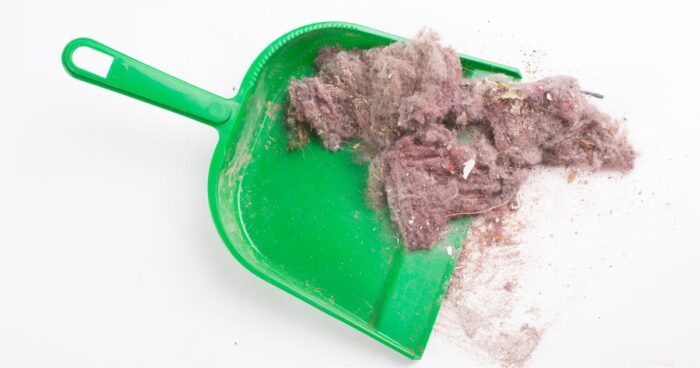
So the term “dust allergy” should really be replaced with dust mite allergy, since dust mites love to settle in household dust. Dust doesn’t just contain dust mite droppings — it also harbours traces of mould, pet dander, and pollen. When you come into contact with these allergens, your immune system can overreact by producing excess histamine, which leads to a range of unpleasant symptoms.
If you carry on using the phrase “dust allergy”, nobody’s going to hold it against you — most people will understand what you mean. Still, we couldn’t resist this quick explanation, because understanding the true cause of your problems is the first step towards solving them.
Read more about everything you need to know about dust mites.
How to recognise dust allergy symptoms
Dust allergy symptoms can affect each person differently — both in form and severity. Here are the most common signs to watch for:
- Runny or stuffy nose – Rhinitis is one of the most frequent dust mite allergy symptoms. It typically starts with nasal congestion, followed by sneezing and a runny nose.
- Itchy eyes – Eye itching is often accompanied by redness.
- Coughing and shortness of breath – In some people, inhaling allergenic particles can trigger a cough or breathlessness.
- Skin irritation – Allergies are often linked to an itchy rash.
- Fatigue – All of these allergy symptoms can be truly draining, leaving you feeling exhausted on top of everything else.

You might also like: How do I know if I have an allergy?
How to treat a dust allergy
If you suspect you have a dust mite allergy, it’s important to consult a doctor about treatment. A specialist can run thorough tests to pinpoint exactly which allergens are triggering your reactions.
Treatment options may include:
- Antihistamines – These help relieve itching and rhinitis symptoms.
- Corticosteroids – For more severe symptoms, your doctor may prescribe corticosteroids with anti-inflammatory properties.
- Immunotherapy – Some patients may benefit from immunotherapy, which gradually builds up tolerance to allergens.
TIP: Before visiting an allergist, try an at-home allergy test.
How to prevent a dust allergy
Dealing with a dust mite allergy shouldn’t be something you think about only when symptoms flare up and become unbearable. Prevention is key — so that trips to the doctor’s office remain the exception rather than the rule. Effective prevention combines thorough cleaning, air purification, and sleeping in anti-allergy bedding.
Only by vacuuming regularly can you prevent dust from building up around the home. And don’t just vacuum the floors — make sure you vacuum your mattress too. Your bed is warm and humid, making it a dust mite’s favourite habitat. Shaggy rugs are another hotspot, so unfortunately you might want to consider getting rid of them.
Read our guide on what to do about a dust allergy.
A truly thorough clean isn’t complete without an air purifier. The most effective ones use a HEPA filter, which can reduce airborne dust by up to 50%. They’re also capable of capturing extremely tiny particles, meaning most allergens don’t stand a chance.

Don’t forget about your favourite spot in the house, either. We’re guessing we hit the mark — you thought of your bed. We recommend investing in anti-dust-mite bedding that makes it impossible for mites to live and breed. After an exhausting day, the last thing you want is to lie down on millions of dust mites that stop you from getting a decent night’s rest.
You might also like: REVIEW of nanoSPACE anti-dust-mite bedding
Key takeaways
“Dust allergy” is really a shorthand for an allergy to particles found in dust — most commonly dust mites. But you may also react to traces of mould, pollen, or pet dander. To prevent symptoms from developing or getting worse, you need to minimise the amount of dust in your home — that means cleaning regularly, purifying the air, and sleeping in barrier bedding.
You might also like: What are the signs of cold allergy?
Frequently asked questions
How do I know if I have a dust allergy?
A dust mite allergy can manifest as a runny or stuffy nose, itchy eyes, coughing, shortness of breath, rashes, and general fatigue.
How is a dust allergy treated?
Depending on the severity of your allergic reaction, your doctor may prescribe antihistamines or corticosteroids. In some cases, immunotherapy may be recommended.
Can I avoid a dust allergy?
If you combine regular cleaning with an air purifier, you may not have to deal with a dust allergy at all. A good purifier captures most allergens. Top it off by covering your bed with anti-dust-mite bedding, which stops mites from living and breeding.
Can a dust allergy cause serious complications?
If left untreated, a dust allergy can lead to more serious problems in some cases. This typically includes asthma and other respiratory issues.
Do I need to see a doctor for a dust allergy?
If any of your symptoms persist or worsen, you should seek help from an allergist. They can confirm whether your issues are truly caused by an allergy and recommend the right treatment. A poorly managed allergy can lead to more serious health problems.