Mould is one of the most common triggers of allergic reactions. It’s quite possible that a mould allergy is behind the problems that are ruining your weekdays and weekends alike. I know how exhausting it can be when you’re trying to work out why you’re constantly battling a blocked nose or a nagging cough. In this article, we’ll take a close look at what a mould allergy looks like, so you can identify it with confidence and then tackle it effectively.
TL;DR
- Mould allergy is a reaction to inhaled spores that spread through the air from damp spots both outdoors and indoors.
- Symptoms often mimic year-round rhinitis: blocked nose, sneezing, coughing, itchy eyes, as well as skin reactions and fatigue.
- The main culprits are outdoor moulds Cladosporium and Alternaria (summer/autumn) and indoor moulds Aspergillus and Penicillium (year-round).
- The key to managing it is controlling humidity at home (ideally below 50%) and removing visible sources of mould.
- If you suspect a mould allergy, consult an allergist who can carry out accurate diagnostics and recommend the right treatment.
What is mould allergy?
Mould allergy is an overreaction of the immune system to microscopic spores that moulds release into the air. Think of them as tiny seeds travelling on air currents. When you breathe them in, your body — if it’s sensitised — launches a defensive response as though it were fighting off a dangerous invader. Moulds love damp environments, which is why you’ll encounter them both outdoors and indoors.
It helps to distinguish what’s actually causing your problems based on where the mould lives. An allergy to outdoor moulds behaves differently from one triggered by indoor species. And to make things even more complicated, mould can also be found in food.
Read up on everything you should know about mould.
Indoor vs. outdoor mould: Know your enemy
Not all moulds are created equal. The split between outdoor and indoor types is crucial for understanding your symptoms, because each group has different habits, a different season, and requires a different approach.
Outdoor moulds
These species live in soil, on decaying leaves, compost, grass, and tree bark. Their spores are released into the air in huge numbers, especially during warm, damp weather.
Cladosporium
This is the most common outdoor mould in the world and one of the main triggers of allergic reactions. Its airborne concentration peaks from late summer through to late autumn. If your symptoms flare up while raking leaves or walking through an autumn forest, Cladosporium is likely the culprit.
Alternaria
This mould thrives in warm, dry conditions, so its season typically runs from July to September. You’ll often find it on crops and in soil.
Indoor moulds
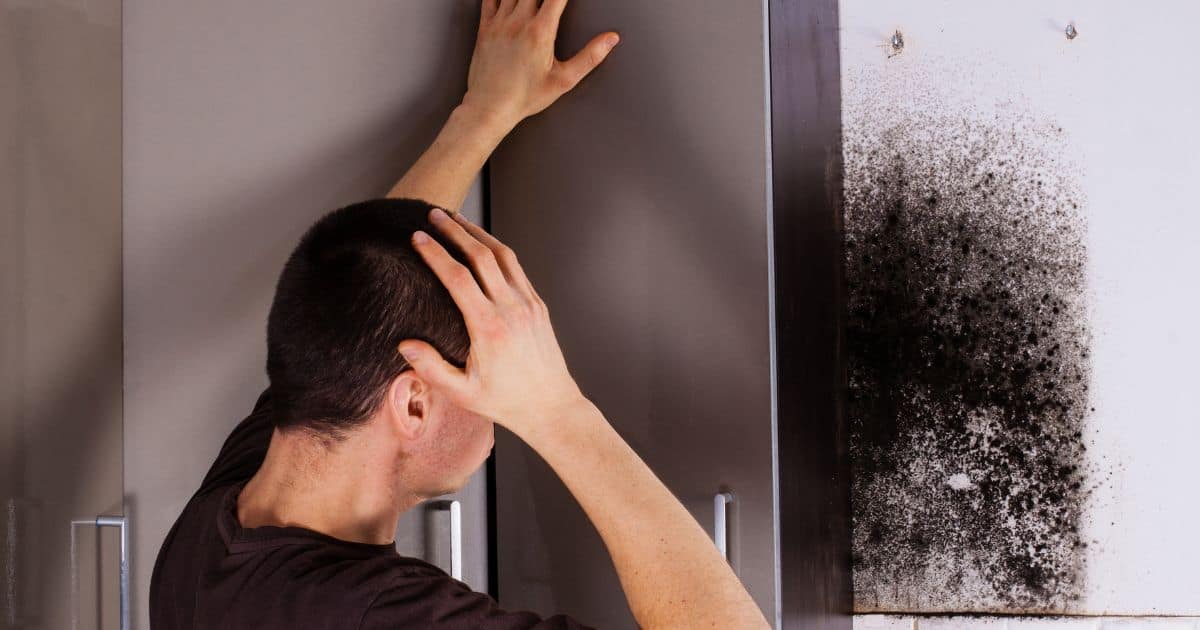
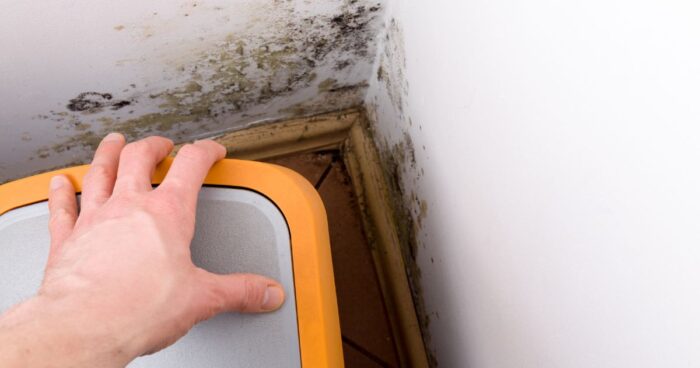
Indoor moulds are more insidious because they can affect you all year round. They love spots where moisture lingers: bathrooms, kitchens, basements, around windows, and even poorly ventilated bedrooms or areas behind furniture against cold exterior walls.
Aspergillus
This genus is extremely widespread, both outdoors and indoors. Some species are harmless, but Aspergillus fumigatus is a frequent cause of respiratory problems. It can colonise air-conditioning systems, plant pots, and damp masonry. An Aspergillus allergy may well be behind chronic coughing or wheezing.
Penicillium
Yes, this is the genus that gave us penicillin. However, some of its species produce highly allergenic spores. You’ll typically spot it as a blue-green coating on spoiled fruit, bread, or damp wallpaper.
Stachybotrys chartarum (Black mould)
This mould has earned a notorious reputation as “toxic black mould.” It needs a lot of water to grow, so it appears in areas affected by long-term water seepage or flooding (e.g. plasterboard, chipboard). Although its direct toxicity to humans is still a subject of ongoing research, its spores are strongly allergenic.
Seasonality — autumn peak and mouldy homes
Understanding mould seasonality is like having a secret map to your symptoms. Why do you struggle to breathe in October and wake up with a blocked nose in January? The answer lies in the mould life cycle.
For people allergic to outdoor moulds, the worst time is autumn allergy season. Spore concentrations — especially from the genus Cladosporium — peak between August and October. Damp weather, decaying leaves, and harvest residues create the perfect breeding ground. Every gust of wind then scatters millions of spores into the air we breathe.
Conversely, indoor moulds hit their peak in winter, during the heating season. It’s freezing outside, and we’re cranking up the heating indoors. Warm, moist air from cooking or showering condenses on cold surfaces such as window frames, room corners, and exterior walls. That condensation is like a five-star all-inclusive hotel for mould. Closed windows and limited ventilation then ensure that indoor spore concentrations shoot up dramatically.
Put simply: if your symptoms worsen outdoors in autumn, you’re probably reacting to outdoor moulds. If you suffer most in winter and feel worst when you wake up in your bedroom, turn your attention to indoor mould in your home.
Mould allergy symptoms
You might be telling yourself it’s just an “eternal cold.” But mould allergy symptoms are often confused with other allergies or the common cold, making the real cause hard to pin down. That’s frustrating, because until you know what’s behind it, you can’t fight it effectively. Let’s look at the most common signs.
Respiratory problems
Most commonly, mould allergy symptoms affect the mucous membranes of the airways. Typical signs include a runny nose, nasal congestion (especially in the morning), sneezing fits, and an itchy nose. A dry, irritating cough or a feeling of breathlessness and wheezing may follow — which can signal asthma worsened by mould.
Eye symptoms
Spores easily reach your eyes too. The result is itching, burning, redness, and excessive tearing. You may feel as though you’ve got sand in your eyes. These symptoms are known as allergic conjunctivitis.
Skin reactions
Less common, but still possible — mould allergy can also affect the skin. This may involve an itchy rash resembling hives or a noticeable flare-up of existing atopic eczema. The skin becomes red, dry, and intensely itchy.
General symptoms
Chronic exposure to allergens drains both your immune system and your body as a whole. You may feel constantly tired, sluggish, and suffer from headaches. Many people never connect these non-specific symptoms with an allergy at all.
If you notice a combination of these signs — especially if they get worse in damp environments or during certain seasons — it’s high time to consider seeing an allergist.
Allergy vs. pulmonary mycosis vs. ABPA: Not all mould problems are the same
The phrase “mould in the lungs” sounds terrifying and is often used incorrectly in connection with allergies. It’s important to distinguish between three entirely different conditions that moulds (most commonly from the genus Aspergillus) can cause in the body. Confusing them can lead to unnecessary panic — or, conversely, to underestimating a serious condition.
- IgE-mediated allergy (common allergy): This is the condition we’re discussing in this article. The immune system reacts to inhaled spores by producing IgE antibodies, leading to typical allergic symptoms (rhinitis, cough, asthma). The mould doesn’t grow inside the body — it simply irritates the immune system. This affects a large number of people.
- Allergic bronchopulmonary aspergillosis (ABPA): This is a far more complex and serious hypersensitivity reaction that primarily affects people with asthma or cystic fibrosis. It’s not just a straightforward allergy. The mould Aspergillus fumigatus settles in the mucus within the airways, and the immune system responds in an exaggerated, chaotic way — producing not only IgE but also IgG antibodies, while specific white blood cells (eosinophils) flood the lungs. This causes chronic inflammation that can damage lung tissue. Diagnosis is complex, requires collaboration between an allergist and a pulmonologist, and involves blood tests (specific IgE and IgG for Aspergillus) along with a chest CT scan.
- Invasive aspergillosis (pulmonary mycosis): This is no longer an allergy — it’s a life-threatening infection. The mould actively invades lung tissue and can spread to other organs. This condition affects exclusively people with severely compromised immunity, such as organ transplant recipients, cancer patients on chemotherapy, or people with advanced AIDS. For a healthy person or an everyday allergy sufferer, invasive aspergillosis poses no risk.
So if you’re an allergy or asthma sufferer and suspect mould-related problems, it’s important to discuss it with a doctor who can differentiate between these conditions and recommend the right course of action. But there’s no need to panic about “mould in the lungs.”
Eliminating mould at home: A practical guide
I know how frustrating it is to constantly battle black spots in the corners of your bathroom or musty air in the basement. Taking medication alone won’t cut it if you’re sleeping in a room full of spores. The key is to tackle the root cause — moisture.
Your goal is to keep the relative humidity in your home consistently below 50%. That’s the threshold below which moulds and dust mites struggle to multiply. Get yourself a digital hygrometer — it’s a small investment that gives you invaluable insight.
How to remove visible mould
Small areas (up to 1 m²)
Forget harsh chemicals that can irritate your airways. For smaller affected areas, plain vinegar works brilliantly. Mix white vinegar (5%) with water in a 1:1 ratio, pour it into a spray bottle, spray the affected spot, leave it for 15 minutes, then wipe it off with a sponge or microfibre cloth. Vinegar doesn’t just remove mould mechanically — its acidity disrupts the mould’s cell structure.
Large areas (over 1 m²)
If the mould is extensive (e.g. an entire wall), don’t try to deal with it yourself. Unprofessional removal can release enormous quantities of spores into the air and make things worse. In this case, call in a professional mould remediation company.
Why isn’t bleach (sodium hypochlorite) ideal for walls?
Bleach and similar chlorine-based products are effective disinfectants, but they have their limitations. They work brilliantly on hard, non-porous surfaces like tiles or plastic. On porous materials such as plaster or plasterboard, however, they’re not suitable. Chlorine bleaches and kills mould on the surface, but the water in the product soaks deeper into the material and can paradoxically provide moisture for the mould’s root structure (mycelium) that survived inside. The result? The mould comes back after a while.
Long-term prevention
Removal is only the first step. To prevent mould from returning, you need to address the underlying cause of moisture. Use an extractor hood when cooking, close the bathroom door while showering and then ventilate thoroughly or switch on a fan afterwards. Avoid drying laundry indoors. If the problem is chronic, consider investing in a quality dehumidifier or installing a local ventilation system with heat recovery.

For extra peace of mind, you can combine a dehumidifier with an air purifier fitted with a HEPA filter. It effectively captures airborne spores that could be triggering your symptoms.
Mould allergy in children
Mould allergy in children doesn’t get talked about as much, yet it can significantly affect their health and well-being. Once a child comes into contact with mould, their immune system may respond with an exaggerated reaction. Children’s bodies are far more sensitive than adults’, and their airways are narrower.
The symptoms of mould allergy in children mirror those in adults. Kids may experience rhinitis, night-time coughing, mould-related eczema, fatigue, or irritability. According to some studies, long-term exposure to mould during childhood is associated with a higher risk of developing asthma. If you have any suspicion, don’t hesitate — consult a paediatrician or a paediatric allergist.
If you’re caring for a little allergy sufferer, keeping a clean home should be your absolute priority. Don’t be afraid to put a dehumidifier to good use and make sure you change bedding frequently.
🌬️ What keeps mould in check
The foundation is humidity below 50% — monitor it with a hygrometer and reduce it with a dehumidifier. An air purifier with a HEPA filter captures spores indoors. For a one-off treatment of heavily affected spaces, an ozone generator can help (only in an unoccupied room).
📖 You might also like
Conclusion
Mould allergy can be a truly annoying and invisible enemy. It may be behind your chronic rhinitis, cough, or fatigue without you having the faintest idea where the problem lies. The important thing to realise is that you’re not alone — and that there are effective ways to regain control. Start by understanding the difference between outdoor and indoor moulds, recognise their seasonal patterns, and focus on the root of the problem: excessive moisture in your environment.
What can you do today? You don’t need to renovate your entire home. Start with one small but concrete step. Buy a digital hygrometer and check the readings in your bedroom and bathroom. If they’re consistently above 55%, that’s a clear signal to act. Try opening a window wide for 10 minutes after every shower. And if you suspect this allergy might apply to you, book a consultation with an allergist. That’s the first and most important step towards being able to breathe freely again.
Frequently asked questions
What are outdoor moulds?
Outdoor moulds are species that occur outside — not just in nature but also on the walls of buildings. They most commonly colonise soil, grass, decaying leaves, and wood. The main allergenic genera include Cladosporium and Alternaria.
How does mould allergy manifest itself?
Mould allergy symptoms include rhinitis, nasal congestion, coughing, breathlessness, itchy eyes, sneezing, rash, worsening of eczema, fatigue, and headaches. Symptoms may be year-round or worsen in autumn and winter.
How do I know if there is mould in my home?
Indoor mould is often recognisable by a distinctive musty smell and visible black, green, or white patches — typically in damp corners, behind furniture, or around windows. Elevated humidity and condensation on surfaces are warning signs.
What does mould allergy look like?
Visually, mould allergy presents similarly to other respiratory allergies — red, watery eyes, a congested nose, and sniffling. A skin rash (hives) or worsening eczema may also appear, with red, dry, and itchy skin.
Is mouldy bread dangerous for allergy sufferers?
Yes — and not only for allergy sufferers. Simply cutting off the visible mouldy part isn’t enough, because mould filaments penetrate deep into the food. For allergy sufferers, even inhaling spores while handling mouldy food is risky. On top of that, some moulds produce mycotoxins that are harmful to everyone.
Can mould in the home make asthma worse?
Absolutely. Mould spores are among the major triggers of asthma attacks. Long-term inhalation of spores causes chronic inflammation in the airways, increasing their sensitivity and potentially leading to poorer asthma control.
How do I permanently deal with mould in the bathroom?
The key is humidity control. Ensure adequate ventilation — after every shower, use an extractor fan or air the room thoroughly. Fix any dripping taps and leaks. Wipe water off the walls with a squeegee after showering, and consider using mould-resistant paint.
Does an ozone generator help?
Ozone (O₃) is a powerful oxidiser that can destroy moulds, bacteria, and viruses in the air and on surfaces. However, it’s only a temporary fix that doesn’t address the underlying moisture issue. Moreover, ozone is toxic to the respiratory system, so the treatment must be carried out by a professional in a sealed, unoccupied room, followed by thorough ventilation.