You disinfect everything in sight, but something still doesn’t feel right? If you want to breathe freely at home, the first step is to remove allergens from your home. Let’s look at how to deep clean your house properly — and actually make a difference.
Tackle Dust Mites
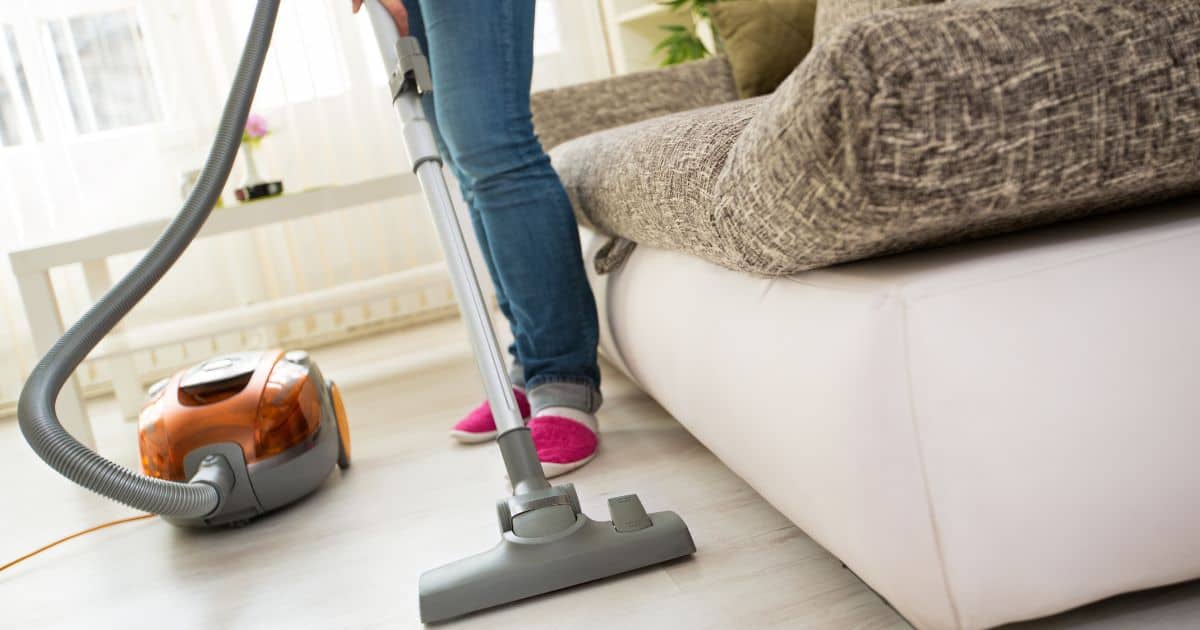
Dust mites — or more precisely, their droppings — are one of the most common allergens around. They spread from textiles along with dust and can end up practically everywhere. That’s why it’s essential not only to wash your bedding regularly but also to vacuum your mattress to limit their spread.
Ideally, fit your mattress with a mattress protector that you can easily wash. Dust mites also thrive in carpets. Either get rid of them altogether, or vacuum regularly with a high-quality filter that stops dust from blowing back into the room. Water-filtration vacuum cleaners are a particularly good choice.
Get Into Deep Cleaning
Living-room sofas, pet beds, and carpets are an absolute paradise for allergens. Deep cleaning is the way to sort them out. You can choose dry cleaning, where you apply a dry foam that binds dirt before vacuuming it all up. The other option is wet cleaning with water and detergent. Either way, you’ll get better results if you call in the professionals.
Get Rid of Mould
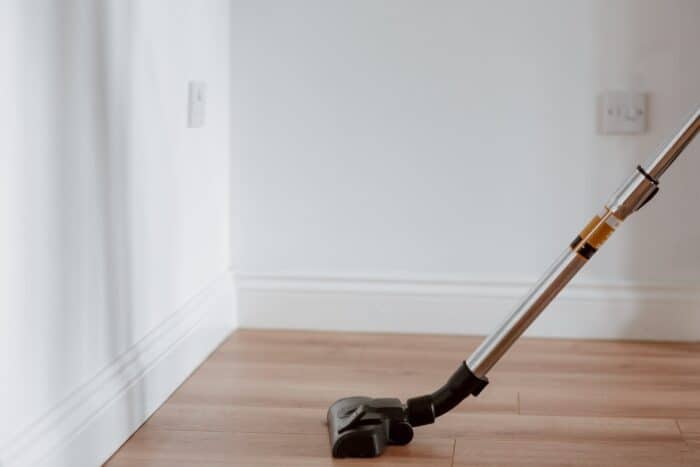
Mould spores may be microscopic, but they can cause very visible problems. They settle around the house along with dust, so regular vacuuming helps here too. To keep mould in check, watch your food so it doesn’t start going mouldy and releasing spores into the air. Cleaning out the fridge and pantry on a regular basis is a must.
Mould also thrives in damp conditions. Try to keep your indoor humidity at around 50% and check corners where mould tends to appear first. You can tackle mould with chemical sprays, a steam cleaner (just make sure the surface dries completely afterwards), or a so-called smart sponge — you apply it to the affected areas and let it kill the mould. If the mould starts growing back, the sponge reactivates and fights it again. However, you must not paint over or otherwise treat the surface, as that would destroy the sponge’s active ingredients.
TIP: What modern equipment is best for cleaning your home?
Get Rid of Pollen
Does pollen from trees and grasses bring tears to your eyes? During spring, you’ll need to step up the cleaning of all surfaces — floors, furniture, and even windows, where pollen loves to settle. Opt for wet cleaning methods, which stir up less dust. And when you’re washing the windows, don’t forget to wash your curtains and net curtains too. That’s something you should really be doing more often than just once in spring.
Eco-Friendly Home Cleaning
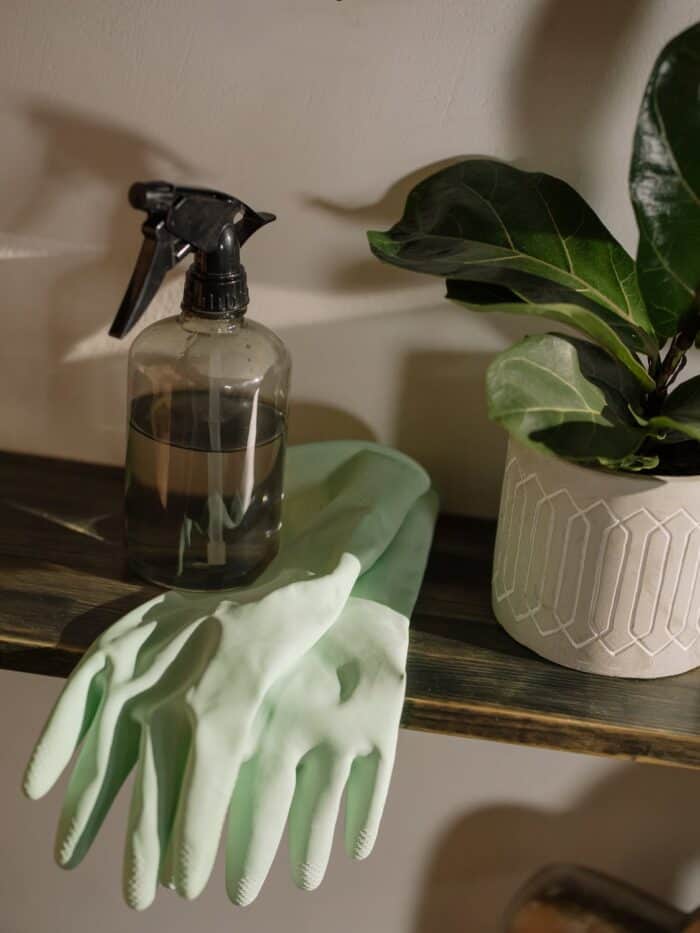
It’s well worth swapping conventional cleaning products, which often irritate, for gentler natural alternatives. Steer clear of ingredients such as fragrances, bleaches, preservatives, and any components that trigger your allergies.
There are plenty of natural cleaning products on the market that carry organic or eco-design certification.
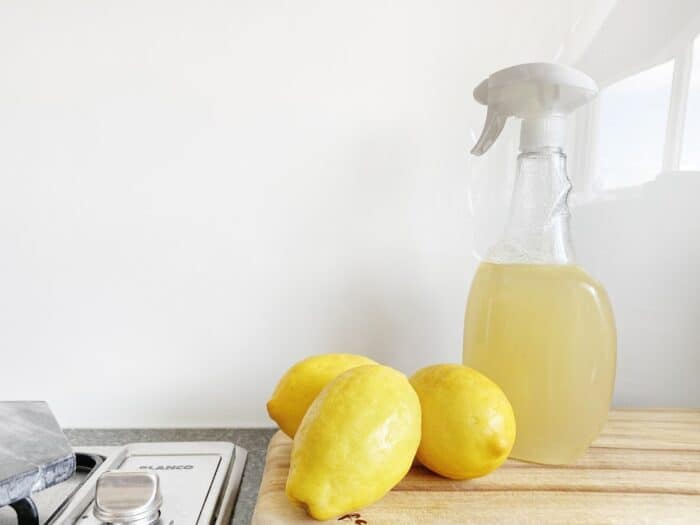
If you’d like to cut back on cleaning products even further, try some natural alternatives. Vinegar, for example, is brilliant at removing limescale and grease. Lemon juice works well for cleaning and neutralising unpleasant odours.
When cleaning your home, also try to use as many natural tools as possible. Microfibre cloths or sponges made from natural materials are both environmentally friendly and effective at tackling dirt.
TIP: 12 tips for an autumn deep clean
You might also like: What does a laundry detergent allergy look like?
Prevention Tips
Cleaning your home doesn’t have to be a daily chore. Instead, try to prevent allergens from circulating in the first place. A pollen screen on your windows is a lifesaver in spring — it won’t block everything, but it will dramatically reduce the amount of pollen indoors. For year-round relief, consider running an air purifier. When choosing one, make sure it’s powerful enough for the size of your flat or room.
Thorough home cleaning is the key to a clean, healthy, and comfortable living space. With the tips and steps above, looking after your home can be easy — maybe even enjoyable. Clean regularly, don’t be afraid to plan it out properly, and remember: a clean home is one of the cornerstones of your peace of mind and wellbeing.