
Have you ever had a sneezing fit that just wouldn’t stop? Sneezing plays a vital role in protecting our body, so it doesn’t necessarily point to anything serious. That said, I completely understand how exhausting and socially awkward it can be. In this article, we’ll explore why we sneeze, what happens inside our body, and when this sneezing allergy symptom shouldn’t be ignored — because it may be a sign of allergies or other conditions.
TL;DR
- Sneezing is a defensive reflex that clears the airways of irritants such as allergens, dust, and viruses.
- Allergic sneezing is triggered by histamine release and typically occurs in bouts, often accompanied by itchy nose and eyes.
- Morning sneezing fits are a classic symptom of dust mite allergy — you’ve been exposed to their allergens all night in bed.
- Sneezing without a runny nose can signal either direct irritation of the nasal lining (perfume, dust) or the early phase of an allergic reaction.
- The severity of allergic rhinitis is assessed using the ARIA classification, which helps doctors determine the best treatment — including whether allergen immunotherapy should be considered.
Sneezing allergy vs. illness: how to tell the difference
Most people sneeze a few times a day — it’s a perfectly normal reflex that protects the airways. But when sneezing comes in repeated bouts without a fever, it’s most often a sneezing allergy symptom rather than a viral infection.

Why do we sneeze?
Sneezing is an automatic defensive reaction that protects our airways from unwanted substances. Think of it as your body’s built-in cleaning mechanism. By sneezing, we prevent infections from spreading deeper into the respiratory tract — most microbes and particles are explosively expelled outwards.
More specifically, it’s a rapid, highly coordinated response to irritation of the nasal lining. This is how our body fights off allergens, dust, viruses, and other particles that have no business being there.
How does the sneezing mechanism work?
The whole process is fascinating — and lightning-fast. Here’s how it unfolds, step by step:
- Irritation of the nasal lining – It all begins when sensitive nerve endings in the nose detect an irritant (an allergen, dust, or a virus).
- Reflex activation – The irritated mucosa sends a signal via the trigeminal nerve to the brainstem, which triggers the sneeze reflex.
- Inhalation – The body reflexively takes a deep breath to gather enough air for the coming explosion.
- Closure of the vocal cords and soft palate – The vocal cords snap shut and the soft palate lifts, temporarily sealing the airway to both the lungs and the mouth.
- Pressure build-up – The chest and abdominal muscles contract forcefully, creating enormous pressure in the lungs.
- Rapid air expulsion – The vocal cords suddenly open, and air — along with mucus and irritant particles — is launched from the nose and mouth at speeds of up to 160 km/h.
- The sneeze – The result is the characteristic sound and forward head movement that helps clear the airways.

Causes of sneezing
One of the most common triggers is allergens such as pollen, dust mites, dust, and pet dander. When the body encounters these substances, the immune system of an allergic person mistakenly identifies them as threats and mounts a defensive response — which can lead to excessive sneezing.
Respiratory infections like colds and flu are another frequent cause of sneezing. Viruses inflame the nasal lining, making it hypersensitive and prone to triggering the sneeze reflex. This type of sneezing tends to peak in autumn and winter.
Also read: why you sneeze in autumn.
The nasal lining can also be irritated by smoking, chemical fumes, aerosols, or strong fragrances. I know the feeling — walking through the perfume section of a shop can set me off immediately. Even sudden temperature changes, bright sunlight, or strong wind can upset a sensitive nasal lining and trigger sneezing.
Frequent sneezing without a runny nose — what does it mean?
Sound familiar? You’re sneezing, yet your nose isn’t running. Sneezing without a cold and without watery discharge is fairly common and usually signals acute irritation of the nasal lining. It doesn’t necessarily mean you have an allergy. It could simply be a reaction to a non-allergic irritant — dust you’ve just stirred up while cleaning, a colleague’s strong perfume, or pepper while cooking. In these cases, the sneezing is a one-off defensive response that subsides once the irritant is removed.
However, if frequent sneezing without a runny nose keeps happening under specific circumstances (for example when you arrive at work or visit a friend who has a cat), it could be the early phase of an allergic reaction. Histamine — the first chemical released — causes itching and sneezing. Watery discharge and swelling of the nasal lining may develop a little later. It’s worth monitoring this pattern and consulting an allergist, especially if the sneezing intensifies or other symptoms appear.
The link between allergies and sneezing
If you sneeze in bouts mainly during spring or summer, it’s very likely a symptom of allergic rhinitis. When an allergen (a pollen grain, for instance) enters the body and lands on the nasal lining, immune cells — specifically mast cells — recognise it and launch a defensive response. This triggers a massive release of histamine, which binds to receptors on nerves and blood vessels. The result is intense itching, inflammation, and irritation of the nasal passages, leading to the characteristic sneezing in bouts.
Frequent sneezing is most commonly linked to these types of allergies:
Pollen allergy
Pollen from grasses, trees, and weeds is the main culprit behind seasonal allergic rhinitis. Its microscopic grains are light and carried by the wind over long distances. What’s more, climate change is extending the pollen season and increasing pollen concentrations in the air, according to research published in The Lancet Planetary Health — not great news for allergy sufferers. This is particularly relevant when sneezing is your primary allergy symptom.
Dust and dust mite allergy
Household dust is a complex mixture that contains, among other things, dust mite droppings, mould spores, insect fragments, and various other allergens. Dust mite allergens are a year-round problem and often cause symptoms right after waking up.
Pet allergy
Some people are allergic to proteins found in animals’ saliva, urine, sweat, or dead skin flakes (dander). These allergens spread easily through the air and cling to furniture and textiles, meaning they can cause problems even without direct contact with the animal. The same applies to sneezing as an allergy symptom.

You might also like: What are the benefits of a pollen forecast?
Morning sneezing — a classic sign of dust mite allergy
If your sneezing mainly strikes after waking up, there’s a strong chance dust mites are to blame. The phenomenon of morning sneezing caused by allergy is absolutely typical of dust mite allergy. Why? Your bed is a paradise for dust mites — it’s warm, humid, and offers a constant supply of food in the form of dead skin cells. During eight hours of sleep, your face is buried right in the epicentre of allergens, particularly mite droppings that contain highly irritating enzymes such as Der p 1.
This overnight exposure means you wake up with full-blown nasal inflammation. The result: a volley of sneezes, a blocked nose, and watery discharge. A telltale sign is that these symptoms usually fade within an hour of leaving the bedroom and blowing your nose. If this sounds like you, it’s time to focus on anti-dust-mite measures. In rarer cases, morning sneezing can also be linked to vasomotor rhinitis, where the nasal lining reacts to the temperature change when you throw off the duvet — but this type lacks the nasal itching that’s characteristic of an allergy.
Sneezing bouts — the ARIA severity classification
Allergic rhinitis used to be simply divided into seasonal and perennial. That approach is now considered outdated, because pollen seasons keep getting longer and many of us react to multiple allergens. Today, allergists use the international ARIA classification (Allergic Rhinitis and its Impact on Asthma), which does a much better job of capturing how the condition affects daily life.
ARIA assesses rhinitis according to two main criteria:
1. Duration of symptoms:
- Intermittent: You experience symptoms such as bouts of allergic sneezing fewer than 4 days per week OR for fewer than 4 consecutive weeks in total.
- Persistent: Symptoms bother you more than 4 days per week AND for longer than 4 consecutive weeks. Most people with dust mite allergy or grass pollen allergy (which has a long season) fall into this category.
2. Symptom severity (impact on quality of life):
Mild
You have symptoms, but they don’t disrupt your sleep, daily activities, work, school, or sport. You’re basically “managing”.
Moderate to severe
Your symptoms are troublesome enough to disrupt sleep (you wake up because of a blocked nose), limit your work performance (poor concentration), or interfere with leisure activities.
This classification is crucial for doctors. If you suffer from “persistent moderate-to-severe rhinitis”, for example, it’s a clear signal that standard antihistamines won’t be enough and that anti-inflammatory treatment (typically nasal corticosteroids) should be started — with allergen immunotherapy (AIT), the only approach that tackles the root cause, also worth considering. In such cases, an allergist consultation is truly worthwhile.
What to do about excessive sneezing
Constant sneezing can seriously get in the way of everyday life. If you’re struggling with it, focus on the following steps.
Avoid allergens
If you have a confirmed allergy, do your best to steer clear of your triggers and minimise exposure. During pollen season, check pollen forecasts and limit ventilation. At home, an air purifier or an ozone generator can help deal not only with allergens, but also with viruses, bacteria, and odours.
Read more: How to choose an air purifier?
Severe allergy sufferers may also want to consider a photocatalytic coating designed for interior walls. It creates an active surface that helps break down allergens and other harmful substances.
Look after your nose
Don’t forget about regular nasal hygiene, either. A saline nasal rinse mechanically flushes out allergens, moisturises the irritated lining, and helps you breathe more easily. It works both as a preventive measure and as a way to ease allergy or cold symptoms. Use a dedicated nasal rinse pot for the job.
TIP: How does a nasal rinse pot work and how often should you use it?
For allergy relief, you can also try barrier nasal sprays. These natural-based products create a protective film on the nasal lining that blocks allergens from penetrating, and they’re safe for long-term use.
Limit contact with pets
If you sneeze when cuddling your pet, there’s a good chance you’re allergic. No need to panic. Start by keeping the animal out of your bedroom. Then focus on regular cleaning, remove carpets, and invest in an air purifier with a HEPA filter — it will capture the majority of airborne pet allergens.
Keep your home clean
Clean regularly and wipe surfaces with a damp cloth to minimise the presence of dust mites and other allergens. A humidifier or dehumidifier will help maintain optimal humidity levels that won’t irritate your nasal lining. And for sneeze-free sleep, consider anti-dust-mite bedding.
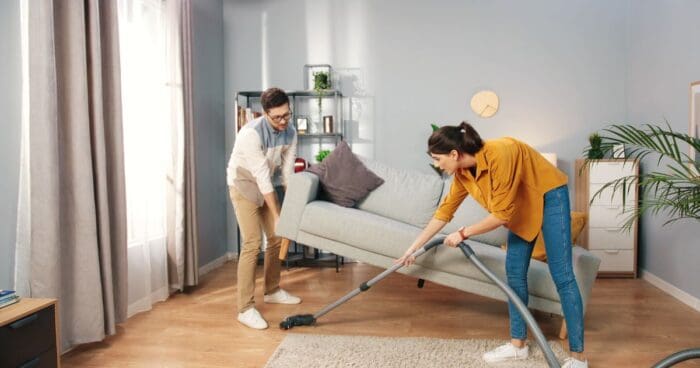
You might also like: Tips on how to get rid of allergens in your home.
Take antihistamines
Antihistamines are medications that block the effect of histamine, helping to reduce the allergic reaction and ease sneezing. Modern second-generation antihistamines are available over the counter and usually don’t cause drowsiness. Even so, it’s always wise to discuss long-term use with your doctor or pharmacist.
How to sneeze properly
If you feel a sneeze coming on, step away from those around you and cover your mouth and nose with a tissue — or at least the crook of your elbow. Sneezing into your hand isn’t ideal, because you’ll then transfer viruses and bacteria to everything you touch. After sneezing, throw the tissue in the bin and wash your hands thoroughly with soap and water. If soap and water aren’t available, use a hand sanitiser gel.
You might also like: 5 tips for dealing with a blocked nose from allergies
🤧 What to do about morning sneezing
Morning sneezing bouts = dust mites in your bed. Nanofibre bedding keeps allergens under a barrier, while an air purifier in the bedroom filters out overnight exposure. A quick nasal rinse in the morning takes care of the rest.
📖 You might also enjoy
Conclusion
Sneezing is a natural and useful reflex, but when it becomes a daily companion it can seriously diminish your quality of life. Whether it’s bouts of sneezing on a stroll through a blossoming park or morning fits in the bedroom, it’s important to understand what your body is trying to tell you. Often, it’s a signal that your immune system is overreacting — in other words, an allergy that shouldn’t be brushed aside. According to experts from the Czech Society of Allergology and Clinical Immunology (ČSAKI), untreated allergic rhinitis can even progress to asthma.
If frequent sneezing is getting you down, try taking one small step today: write down when and where you sneeze most. Is it outdoors, at home, at work, in the morning, or in the evening? This simple log can help you — and your doctor — identify the trigger and find an effective solution. Remember, you’re not alone in this, and there are ways to get sneezing under control so you can breathe freely again.
Frequently asked questions
What are the most common allergens that cause sneezing?
The most common culprits behind sneezing are inhaled allergens such as grass, tree, and weed pollen, house dust mites, mould spores, and pet allergens (from fur, saliva, and skin).
Is sneezing healthy?
Yes, fundamentally it is. Sneezing is a natural defensive process through which the body expels harmful substances from the airways. However, if sneezing is excessive and frequent, it may be a sign of an allergy or infection that needs to be addressed.
Why do we sneeze twice or more in a row?
If you sneeze several times in succession, it means the first sneeze wasn’t powerful enough to clear all the irritant particles from your nose. The body repeats the reflex until the nasal lining is clean. This is very common with allergies.
What helps with sneezing?
The most effective approaches to allergic sneezing include avoiding allergens, using an air purifier, and regular nasal rinses. When it comes to medication, antihistamines and nasal sprays recommended by your doctor or pharmacist are effective options.
What does 10 sneezes in a row mean?
A volley of ten or more sneezes is a typical sign of a strong allergic reaction. It means the immune system is making massive, repeated attempts to expel allergens from the nasal lining. This is often associated with pollen allergy or exposure to a high concentration of another allergen.
Why do I only sneeze in certain rooms?
If you only sneeze in specific spaces — such as the bedroom, basement, or office — it’s a strong indicator that your trigger allergen is present right there. It could be dust mites in the bed, mould in a damp basement, or allergens from the air conditioning at work.
Do antihistamines help with sneezing?
Yes, antihistamines are very effective against allergic sneezing. They block the action of histamine — the chemical responsible for the itching and irritation that triggers sneezing. Modern antihistamines work quickly and suppress symptoms for many hours.
When should you see a doctor about sneezing?
You should see a doctor (ideally an allergist) if your sneezing is long-lasting, recurs in specific situations, or is accompanied by other symptoms such as a blocked nose, breathlessness, or itchy eyes — especially if symptoms are disrupting your sleep or daily activities.
Can I stop sneezing completely?
You can’t — and wouldn’t want to — eliminate sneezing as a defensive reflex altogether. However, if it’s caused by an allergy, it can be very effectively controlled. By combining allergen avoidance, proper treatment, and potentially allergen immunotherapy, you can reach a point where sneezing barely bothers you at all.