
Does your nose start running every time you visit someone who has a pet? Or perhaps you have a furry companion at home yourself, but you’re plagued by unpleasant symptoms? If so, you’ve probably already suspected that a pet allergy might be to blame. In this article, we’ll walk you through the most common pet allergy symptoms so you can confirm — or, better yet, rule out — whether this is what’s going on.
What is animal dander allergy?
“Allergy to animal fur” is actually a misleading name for the problem you experience around pets. It’s not the fur itself that causes trouble — it’s proteins found in the animal’s skin oils (dander), saliva, sweat, faeces, and urine. So what we commonly call a pet hair allergy is really an immune system reaction to proteins in an animal’s skin and bodily secretions.
The most commonly affected group is dog owners. However, the same issues can also appear in people who keep cats, rodents (especially mice and guinea pigs), birds, and horses.
What are the symptoms of pet allergy?
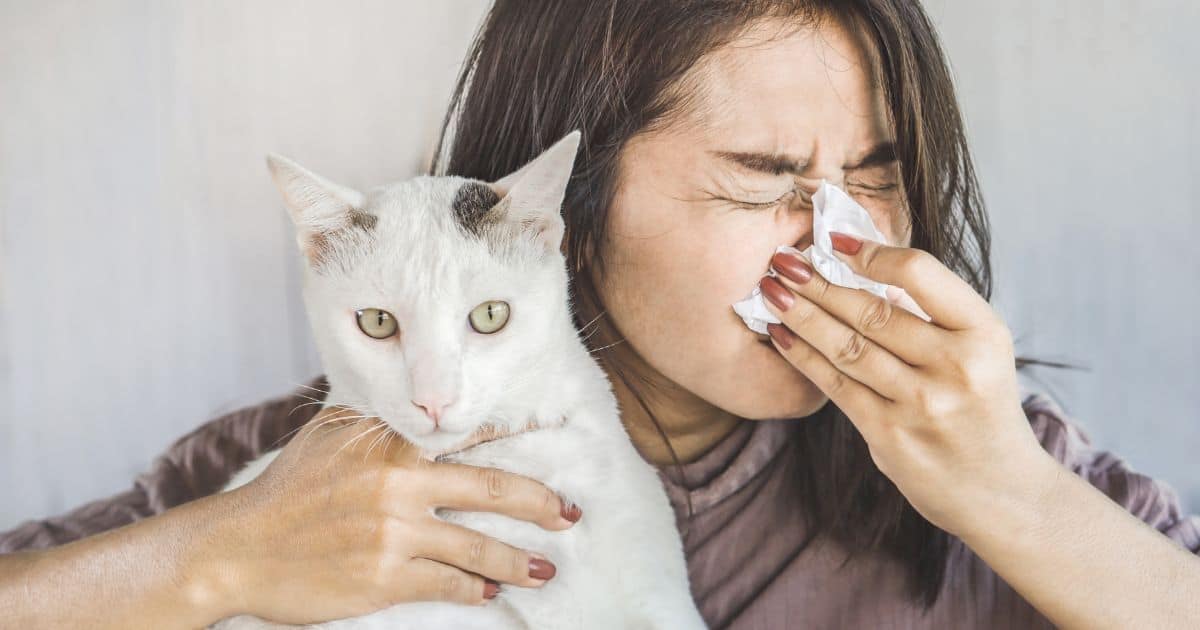
Pet allergy symptoms can appear immediately after contact with an animal or develop gradually over time. With repeated exposure, symptoms tend to worsen progressively and may take the form of:
- Sneezing and a runny nose – People with a pet allergy may suffer from sneezing, a runny or blocked nose, and general breathing difficulties.
- Itching and rashes – Contact with an animal can trigger an itchy rash, hives, or dry, flaky skin in some individuals.
- Conjunctivitis – Allergic reactions to animal allergens commonly cause irritated, red, and watery eyes.
- Coughing and breathlessness – As mentioned, some people may experience breathing difficulties, including coughing and shortness of breath, which can be a sign of asthma.
You might also like: How to recognise allergic asthma and what helps?
How to diagnose pet allergy?
You can test yourself for a pet allergy from the comfort of your own home using a home allergy test. Because it’s an IgE antibody test — detecting the antibodies your body produces in response to an allergen — it works in the same way as a doctor’s blood test. If that sounds a bit daunting, don’t worry. It’s very easy to carry out, you’ll get your result within 10 minutes, and it has a 97% reliability rate.
If your result is positive, seek medical advice. Expect the doctor to run further tests — not just for pet allergy, but for other types of allergies as well. This will involve either a blood test or skin prick tests, where a small amount of allergen is applied to the skin and the reaction is monitored.

If your home test comes back negative, keep an eye on whether your symptoms improve or not. If they persist over a longer period — or actually get worse — a visit to the doctor is unavoidable.
How to treat and manage pet allergy?
If your pet allergy is confirmed, your doctor will most likely recommend antihistamines to help relieve itching, sneezing, and a runny nose. Natural eye drops and nasal sprays can also help ease uncomfortable symptoms.
TIP: Natural nasal drops: The protection you need
As the paragraph above suggests, antihistamines and drops tackle the symptoms but not the root cause. The next bit may be hard to read, but what helps allergy sufferers the most is reducing contact with the animal to an absolute minimum.
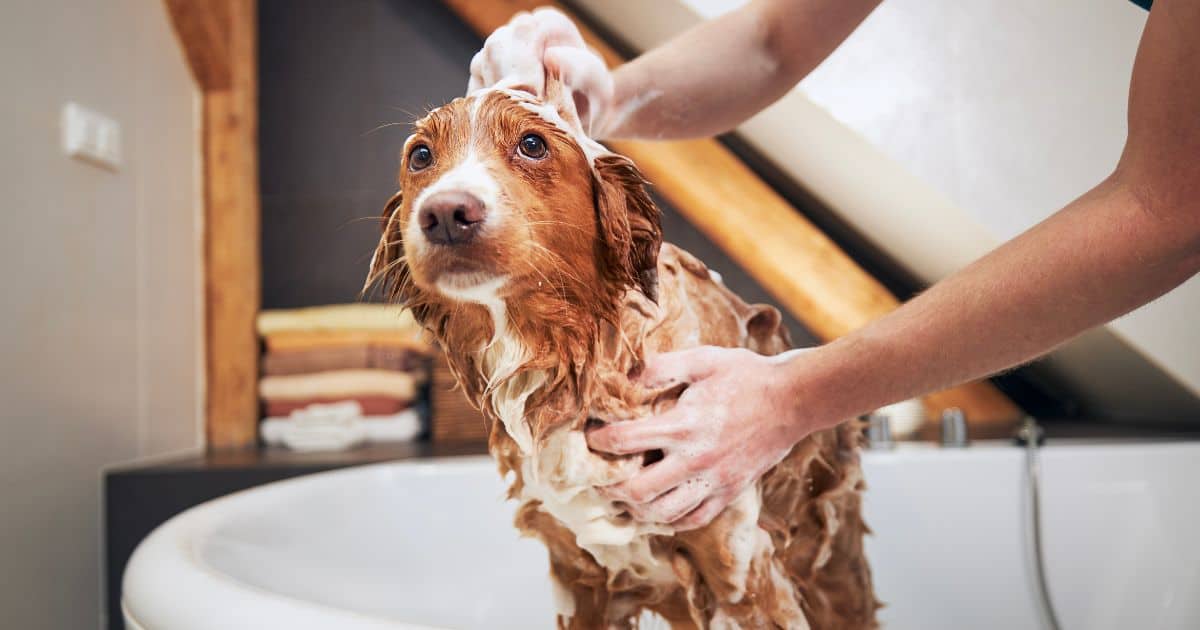
If you own the pet yourself, it should ideally spend most of its time outdoors. If that isn’t possible, at least keep it out of the bedroom. We recommend bathing your dog or cat several times a week. And after stroking or cuddling your pet, always wash your hands thoroughly.
Regular cleaning is absolutely essential. Get rid of anything that collects dust — carpets, curtains, fluffy cushions. Bear in mind that sheepskin rugs are also bad news for allergy sufferers. You might also want to consider investing in an air purifier with a HEPA filter. Thanks to the HEPA filter, these devices can capture the majority of allergens and harmful particles — including pet dander, dust, harmful bacteria, viruses, smoke, and odours.
Also read: Thorough home cleaning — how to get rid of allergens
Frequently asked questions
What is animal fur allergy?
Animal fur allergy is a misleading term for an overreaction of the immune system to proteins found in an animal’s skin oils, sweat, saliva, faeces, and urine. So it’s not the fur itself that triggers the allergic reaction — it’s the proteins in the skin and bodily secretions.
How does pet dander allergy manifest?
Pet allergy symptoms can include sneezing, a runny nose, itchy eyes, breathlessness, or asthma. In some people, these symptoms may be accompanied by an itchy rash, hives, and dry, flaky skin.
How is pet dander allergy diagnosed?
Allergy to animal dander — specifically to the proteins found in an animal’s skin — is diagnosed through blood tests or skin prick tests. Reliable home allergy tests are also available.
How is pet allergy treated?
Treatment for pet allergy includes antihistamines, nasal sprays, eye drops, and — most importantly — minimising contact with pets. Regular cleaning of your home is essential, and using air purifiers with HEPA filters is highly recommended.
What are the signs of pet allergy in children?
In children, pet allergy presents with symptoms similar to those in adults. These include sneezing, a runny nose, itchy eyes, itchy skin, hives, coughing, breathlessness, and sometimes asthma.
What are the symptoms of animal hair allergy?
“Animal hair allergy” is a misleading term for an overreaction of the immune system to proteins in an animal’s skin oils, sweat, saliva, faeces, and urine. Symptoms of pet allergy include sneezing, a runny nose, itchy eyes, hives, breathlessness, or asthma.