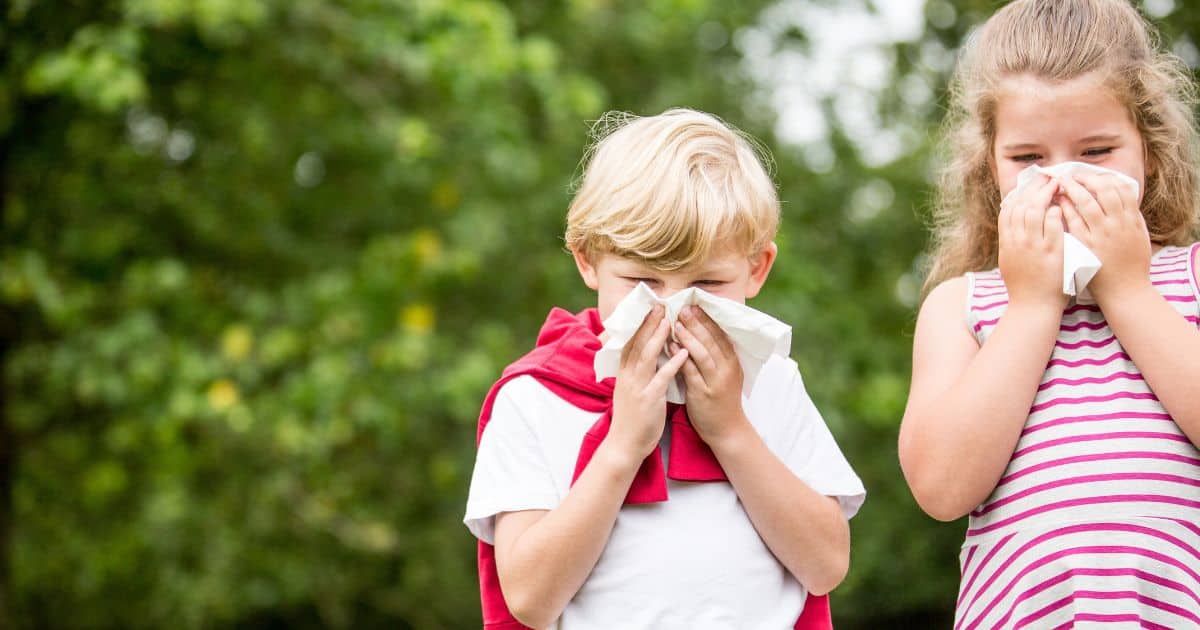
Allergies in children are an increasingly common problem. As a parent, you naturally want to know how to identify an allergy in your child and deal with it properly. Today, we’ll look at which allergens typically trigger allergic reactions in children, how the problem presents itself, and what you can do to help those unpleasant symptoms clear up as quickly as possible.
Causes of Allergies in Children
An allergy is an abnormal immune system response to certain substances we call allergens. Every child reacts to different allergens to a different degree — some may never suffer from allergies at all, while others can be hit quite hard. There are two main causes behind the development of allergies in children:
- Genetics – Genetic predisposition plays a significant role in allergies. If you or your partner suffer from any allergy, there’s a good chance your child’s allergy was inherited through your genes. That said, it’s not a hard-and-fast rule.
- Environment – The environment a child grows up in also has a considerable influence on allergy development. When a child’s body is exposed to allergens at an early age, the risk of allergic reactions increases.
You might also be interested in: Types of Allergens: What Allergens Might You Encounter?
When Do Allergies Appear in Babies?
Allergies in newborns or toddlers can manifest in various ways and at different times. Some children may be allergic to certain substances right from birth. In others, allergies may not show up until later (around 6–12 months) — or never at all.
If a woman minimises her contact with allergens during pregnancy, she also reduces the risk of allergy development in her child. Breastfeeding up to six months helps strengthen the baby’s immune system and may help prevent food allergies.
Allergy Symptoms in Children: How to Recognise Them
The allergens that most commonly irritate a child’s system include pollen, mould, dust mites, animal dander, food, and sunlight. Some of these share similar symptoms, while others have their own distinctive signs. Let’s take a closer look at the most common allergies in children and their symptoms one by one.
You might also be interested in: What Are the Signs of Cold Allergy?
Pollen Allergy in Children
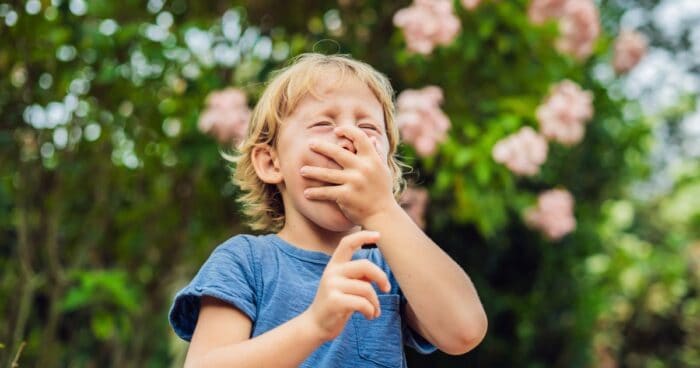
Pollen allergy in children is an immune reaction to plant pollens that spread through the air, mainly during spring and summer. However, allergic reactions can also occur at the beginning of autumn. Plant pollens contain allergens that cause the immune systems of some children to overreact, leading to unpleasant symptoms. Diagnosing pollen allergy tends to be somewhat more difficult in children than in adults.
Pollen allergy is also known as pollinosis, seasonal allergic rhinitis, or hay fever. Hay fever, however, is a general term for rhinitis caused by various allergens — besides pollen, it can also be triggered by dust mites, mould, or animal hair.
Symptoms of Pollen Allergy in Children
- Runny nose,
- redness, itchy and watery eyes,
- cough and shortness of breath,
- worsening of asthma,
- fatigue and irritability,
- sleep problems,
- difficulty concentrating.
You might also be interested in: What Does Allergic Conjunctivitis Look Like and What Helps?
What Helps with Pollen Allergy in Children?
Besides following your allergist’s recommendations, you should limit your little allergy sufferer’s time outdoors when pollen counts are high. Keep an eye on a pollen calendar to know when and what is in bloom. If going outside is unavoidable, protect your child with an antiviral scarf, respirator, or face mask to help keep allergy symptoms at bay.
If you missed the prevention window and your child is already showing signs of pollen allergy, a nasal spray can help ease the symptoms. It contains no chemicals, works almost instantly, and is 100% natural. Nasaleze drops are exactly the kind of help you want for your little one.
Read more about natural nasal drops.
Mould Allergy in Children
Mould allergy is triggered by spores from microscopic fungi that thrive in damp environments and spread through the air. Mould can form both indoors and outdoors, and it certainly doesn’t shy away from food either. Contact with mould can cause a range of problems in children.
Symptoms of Mould Allergy in Children
- Sneezing,
- blocked nose,
- cough,
- rash,
- eczema,
- worsening of asthma,
- itchy eyes,
- fatigue.
What Helps with Mould Allergy in Children?
If a doctor confirms your child has a mould allergy, your first step should be to eliminate mould from your surroundings. Once you identify and remove the source, treatment will be far more effective. You should continuously monitor humidity levels with a hygrometer and regulate them with a dehumidifier.
Find 5 tips on how to get rid of mould HERE.
After you’ve dealt with the mould, we recommend using an air purifier to remove any remaining mould spores from the air in the affected room. You might also be interested in an ozone generator that destroys mould spores at the source.
Dust Mite Allergy in Children
Dust mites are tiny creatures invisible to the naked eye. Like mould, they love damp environments where they search for food. They feed on dead skin cells and dust. They thrive not only in household dust but also in bedding — and they can cause real havoc, especially in children.
Symptoms of Dust Mite Allergy in Children
- Blocked nose,
- runny nose,
- cough,
- morning fatigue,
- puffy face upon waking,
- sinus and middle ear infections,
- atopic eczema.
You might be interested in: nanoSPACE Review: Children’s Zipped Mattress Sheet in Nanocotton®
Learn more about dust mite allergy HERE.
What Helps with Dust Mite Allergy in Children?
Hopefully the previous paragraphs didn’t alarm you too much. If they did, anti-dust-mite bedding will certainly put your mind at ease. The key component is a nanofabric that prevents dust mites, their allergens, viruses, and bacteria from accumulating in the filling. Depending on your needs, you can choose anti-allergy pillows and duvets, covers, or bed linen. You only need to pick one of these three options — the level of protection is the same across the board.
You also can’t go wrong with regular cleaning and investing in an air purifier or ozone generator. You’ll rid your child’s room not only of allergens, viruses, and bacteria, but also of odours. Always make sure to air the room thoroughly before making up the cot or bed.
TIP: How to Choose the Right Bedding for Allergy Sufferers
Animal Allergy in Children
Pet allergy is a particularly sad affair for children. Every time they come into contact with a furry friend, an allergic reaction kicks in. The irritating allergens aren’t only found in the animal’s fur — they’re also present in skin, saliva, sweat, urine, and faeces.
Symptoms of Animal Allergy in Children
- Runny nose,
- sneezing,
- itchy, red, and watery eyes,
- cough,
- asthma,
- itchy skin and rash.
What Helps with Animal Allergy in Children?
If you don’t have a pet but your allergic child desperately wants one, try to gently talk them out of it. It would be very difficult to constantly make sure your child isn’t cuddling, kissing, or sleeping with the pet. If you are set on getting a dog or cat, opt for a hypoallergenic breed.
Children are still growing, their bodies are still developing, and an allergy to animal dander — among other things — can appear later on, even when your four-legged friend has already been part of the family for years. In this case, an air purifier with a HEPA filter that captures even the smallest allergens will help the most. Don’t forget to remove carpets and fluffy blankets where pet hair loves to cling.
You might be interested in: How to Choose an Air Purifier
Food Allergies in Children
Some children’s bodies simply can’t cope with certain foods. Or rather, they do cope — but in a very painful way. The most common triggers of food allergy in children include milk, eggs, peanuts and other nuts, wheat, fish, and shellfish.
Symptoms of Food Allergy in Children
- Itchy skin,
- hives,
- stomach pain,
- diarrhoea,
- vomiting,
- breathing difficulties,
- swelling of the throat.
What Helps with Food Allergy in Children?
Food allergy has only one solution — professional medical help. A doctor will pinpoint exactly which food your child is allergic to and recommend suitable alternatives for their diet. If you or your partner have a food allergy and aren’t sure whether your child has inherited it, you can use an at-home test that can detect allergies to certain types of food.
Sun Allergy in Children
Sun allergy in children is particularly unpleasant and frustrating. As early as spring, when the strong sun returns, symptoms can begin to appear. Overly sensitive children’s skin cannot handle exposure to UV rays and reacts disproportionately.
Symptoms of Sun Allergy in Children
- Itchy skin,
- redness of the skin,
- rash.
What Helps with Sun Allergy in Children?
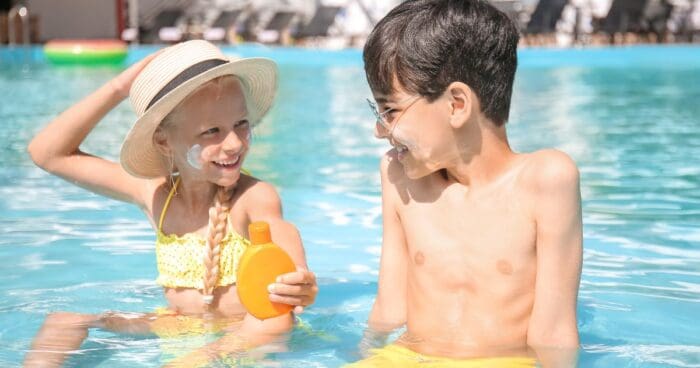
For children with sun-sensitive skin, suncream can help alongside medication. But which cream offers adequate protection — for instance, at the beach? The key is to find a natural suncream with both UVA and UVB protection. You should apply it before every sun exposure, before your child goes into the water, and again after they come out.
Read about how to choose the best suncream.
Drug Allergy in Children
Certain medications can also trigger allergic reactions in children. It’s important to be aware that drug allergies in children can be caused not only by prescription medicines but also by over-the-counter ones.
Symptoms of Drug Allergy in Children
- Itchy skin and rash,
- hives,
- stomach pain,
- vomiting,
- diarrhoea,
- shortness of breath,
- in severe cases, anaphylactic shock.
What Helps with Drug Allergy in Children?
As you might expect, you’ll be powerless without medical guidance. Besides making sure your child avoids the offending medication, antihistamines or corticosteroids may be prescribed to suppress symptoms. For your own peace of mind, keep a list of medications your child must avoid.
Insect Sting Allergy in Children
Parents very often encounter insect sting allergies in children. The allergic reaction is triggered by venom that enters the body through the sting. The most common culprits include bees, wasps, hornets — and mosquitoes are no exception either. Sometimes a sting causes “only” mild discomfort; other times it demands immediate medical attention.
Symptoms of Insect Sting Allergy in Children
- Redness and swelling at the sting site,
- itching,
- pain at the sting site,
- rash,
- breathing difficulties,
- in some cases, anaphylaxis.
What Helps with Insect Sting Allergy in Children?
In serious cases where emergency services are called, the severe allergic reaction is treated with epinephrine. We hope you and your child never need an ambulance and that an insect-bite relief gel will be enough. Remember to steer clear of insects, apply insect repellent to your child, and if it isn’t too hot outside, dress them in long sleeves.
Treatment of Allergies in Children
Treatment of allergies in children depends on the specific type of allergy. Generally, it involves several approaches aimed at relieving symptoms and improving the child’s quality of life. Doctors commonly prescribe medications such as antihistamines, which help block the effects of histamine and reduce the allergic reaction. If a child has breathing difficulties, a doctor may prescribe a bronchodilator.
One of the most effective methods for treating childhood allergies is immunotherapy. This approach involves gradually exposing the child to the allergen — starting with small doses that are slowly increased so the immune system learns to tolerate the substance.
When to Take Your Child to an Allergist
If you or your partner suffer from allergies, you should visit an allergist with your child as early as possible. In the best-case scenario, the allergist will rule out an allergy altogether. If you’re not so lucky, the allergy will be caught early and you can start appropriate treatment right away.
If there’s no history of allergies in your family, see an allergist with your child as soon as the first concerning symptoms appear, even if they seem minor. That said, there’s absolutely nothing wrong with visiting an allergist even without a specific trigger — just to get informed.
How Are Allergy Tests Done in Children?
At the doctor’s, you may encounter three types of tests used to identify potential allergies in your child:
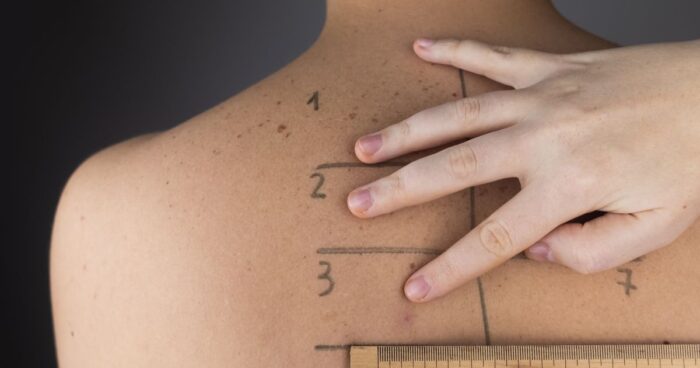
- Skin prick tests – This type of test is performed on the forearm or back. The allergist applies small amounts of various allergens to the skin and makes a gentle prick so the allergens penetrate below the surface. If the child is allergic to a particular allergen, redness, swelling, or itching will appear at the prick site.
- Intradermal tests – Intradermal tests are performed similarly to skin prick tests, except the allergens are injected into a deeper layer of the skin. These tests are only used for certain allergies, such as outdoor mould allergy.
- Specific IgE antibody tests – These are blood tests that measure the levels of specific IgE antibodies produced during an allergic reaction. The results show which allergens the child is allergic to and how severe the allergy is.
What Else Helps with Allergies in Children?
The only way to truly safeguard your child’s health is through prevention. Not just when it comes to allergies — you should always think about keeping your child’s immune system as strong as possible. Give them vitamins and minerals, especially vitamin C, vitamin D, and zinc.
Read about how to supplement vitamin D.
Don’t neglect regular cleaning and ventilation to keep allergen levels in your home as low as possible. Invest in air purifiers, dehumidifiers, and anti-dust-mite bedding — they can make a real positive difference to your child’s health.
Find out how to choose a dehumidifier HERE.
Most importantly, always take your child’s age and developmental needs into account. Don’t dismiss minor symptoms — always seek professional advice. An allergy in your child will either be ruled out or caught in time.
You might be interested in: How to Ease Allergies in Children
Frequently Asked Questions
What are the most common signs of allergies in children?
The most common signs of allergies in children include a runny nose, sneezing, itchy eyes, coughing, breathing difficulties, and rash. Some symptoms are typical across all allergies, while others are specific to certain types. Each childhood allergy, however, requires a different approach to treatment.
What should you do if your child has an allergy?
As soon as your child starts showing allergy symptoms, you should see an allergist as soon as possible. They will identify which allergens are triggering the reaction and recommend appropriate treatment.
How do you manage allergies in children?
Besides following the treatment prescribed by your doctor, you should also focus on prevention. You can help prevent the development of allergies in children through regular cleaning, using air purifiers, dehumidifiers, and anti-dust-mite bedding. Don’t forget to boost their immunity too. The best options are vitamin C, vitamin D, and zinc.
What is anaphylactic shock?
Anaphylactic shock is a serious, life-threatening condition that can occur when a child comes into contact with an allergen to which their body is extremely sensitive. It presents with rapid swelling, a sudden drop in blood pressure, and difficulty breathing.