
Millions of people worldwide struggle with hay fever — also known as allergic rhinitis — yet many mistake it for a common cold and either ignore it or reach for the wrong treatment. The result? Year-round hay fever that never seems to let up. So you don’t have to put up with allergic rhinitis all 365 days a year, we’ll show you how to recognise it and what actually helps.
What is hay fever?
Hay fever, also called allergic rhinitis, is an immune reaction to certain substances known as allergens. Common allergens include plant pollen, dust mites, animal dander, mould, and many more. When you come into contact with one of these allergens, your immune system kicks in to rid the body of the substance as quickly as possible. Unfortunately, that response comes with some rather unpleasant side effects.

TIP: Spring allergies
Causes of allergic rhinitis
Allergic rhinitis isn’t solely caused by living in an environment with high allergen levels. Two additional factors can increase your risk:
- Genetics – If your parents suffer from allergies, there’s a high chance you’ll inherit the tendency. And you can just as easily pass it on to your own children.
- Air pollution – Air quality plays a major role too. When the air is polluted with harmful substances, hay fever and its symptoms can get significantly worse.
Read more about how a cold differs from an allergy.
How to recognise allergic rhinitis
The symptoms of allergic rhinitis can vary in form and intensity. The most common signs of hay fever include:
- Sneezing and a runny nose,
- itching in the nose, mouth, and throat,
- a blocked nose,
- watery eyes and itchy eyes,
- ear and headache pain,
- general fatigue.
Allergens irritate the nasal mucosa, which leads to frequent sneezing and a watery, runny nose. A key hallmark is the clear, colourless nasal discharge. If the mucus is thick, yellow, or green, you’re likely dealing not with allergic rhinitis but with a common cold.

Hay fever is divided into seasonal and perennial types. Seasonal allergic rhinitis mainly affects you from May to July during the so-called pollen season. Perennial allergic rhinitis lasts, as the name suggests, all year round. Its triggers go beyond just pollen, which is why allergic rhinitis can also flare up in winter.
You might also like: Pollen forecasts
Allergic rhinitis: treatment
If you suspect you have allergic rhinitis, start with an allergy test. You can quickly and easily find out from the comfort of your own home whether your suspicion is correct. If the test confirms an allergic sensitivity, you should seek medical advice. Your doctor will carry out further allergy testing to pinpoint exactly what you’re allergic to.
There is now a wide range of medications available to treat allergic rhinitis. Among the most common are antihistamines, which block the effects of histamine. Histamine is a substance in our bodies that, when produced in excess, drives allergic reactions.
Another effective option for tackling allergic rhinitis is corticosteroids. They reduce inflammation of the nasal mucosa and help relieve a blocked nose. You can take them in the form of tablets, nasal sprays, or eye drops.

Read more about how to choose a nasal spray.
People with severe allergic rhinitis may be recommended immunotherapy. The goal of immunotherapy is to build immune tolerance to the allergen. The patient is first exposed to a small amount of the allergen they react to. The dose is then gradually increased over time, allowing the body to get used to it and respond less intensely.
What helps with allergic rhinitis?
Managing allergic rhinitis doesn’t stop at the doctor’s surgery — your everyday habits matter just as much. It probably won’t surprise you that you should reduce contact with allergens to an absolute minimum. Keep an eye on the pollen calendar, and when pollen counts are high, avoid strolling through blooming meadows.
We completely understand that if you have small children, you don’t want to skip outdoor walks altogether. In that case, the best approach is to wear a face mask, respirator, or nano scarf while outside to protect yourself from allergens. The same goes for mowing the lawn.
Once you’re back home, wash your hands thoroughly and air out the house briefly. Remember: hay fever and prolonged ventilation don’t mix well. Your home probably already harbours plenty of allergens, and leaving the window open all day will only increase their numbers.
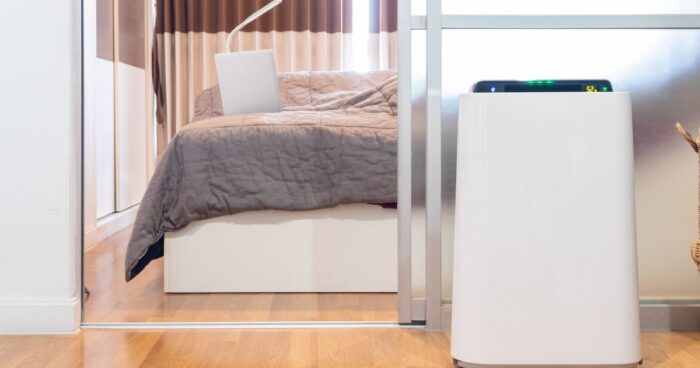
Don’t worry — we didn’t mean to alarm you. While allergen levels indoors can be high, you can dramatically reduce them with an air purifier. On top of allergens, it also deals with bacteria, viruses, odours, and gases.
It’s no secret that allergic rhinitis tends to worsen at night. The culprits are dust mites — they live in everyone’s bed, full stop. Fortunately, anti-dust-mite bedding has been developed specifically to kill mites and prevent them from multiplying.
TIP: How to get rid of dust mites.
In the fight against hay fever, keep in mind not only a thoroughly clean home but also regular nasal hygiene. Pick up some nasal rinse drops along with a nasal rinse pot. Rinsing moisturises the dried-out nasal mucosa. It effectively flushes pollen and dust from your nose, so hay fever won’t bother you as much.
You might also like: 6 tips for getting rid of a runny nose
Allergic rhinitis in children
Hay fever in children is just as common as it is in adults. It presents not only with sneezing, a runny nose, and itchy nose and eyes, but often with a cough as well. That makes it much harder to tell allergic rhinitis apart from an ordinary cold in little ones.
This is definitely a case where you shouldn’t delay — visit your doctor and let them know about your suspicions. On top of following the treatment your doctor recommends, equip your home with an air purifier so your child’s hay fever clears up as soon as possible.
You might also like: 7 tips for easing allergies in children
Frequently asked questions
How to get rid of allergic rhinitis?
Start by visiting your doctor, who will identify the allergen causing your rhinitis and suggest an appropriate treatment plan. Keep on top of regular cleaning. Air purifiers can help remove allergens from your home. Severe allergy sufferers should wear a face mask, respirator, or nano scarf when spending time outdoors, especially during pollen season.
Is allergic rhinitis contagious?
No, allergic rhinitis (hay fever) is not contagious. It is an immune system reaction to certain substances in the environment. Hay fever is not spread through droplets. However, it can be inherited from a parent or passed on to your children.
How to manage allergic rhinitis?
You can improve the course of allergic rhinitis by airing your home in short bursts, using an air purifier, switching to anti-dust-mite bedding, and using nasal drops for allergic rhinitis.
What helps allergic rhinitis in children?
In addition to the treatment recommended by your doctor, you can ease allergic rhinitis in children by using air purifiers and switching the bed linen to anti-dust-mite bedding.
How long can allergic rhinitis last?
Hay fever is divided into seasonal and perennial allergic rhinitis. The seasonal type appears during pollen season (May to August). If you catch allergic rhinitis early and minimise contact with allergens, the symptoms can clear up quite quickly.