
Most people will agree that a runny nose can be utterly exhausting. Whether you’re dealing with a viral, allergic, chronic, or bacterial cause, the symptoms are much the same — a streaming or blocked nose, sneezing, coughing, a sore throat, and general fatigue. In this article, we share our best tips on how to get rid of a runny nose as quickly as possible so you can get back to doing what you need — and love — to do.
How contagious is a runny nose?
You probably know there are several types of runny nose, but only one of them is actually contagious — the viral kind, caused by rhinoviruses or coronaviruses. It spreads through droplets produced when you cough, sneeze, or even talk. These droplets carry the virus. When a healthy person inhales them or touches a contaminated surface and then touches their nose, eyes, or mouth, infection can occur.
A viral runny nose is most contagious during the first few days of illness, when symptoms are at their peak. Even after symptoms start to ease, however, an infected person can still pass the virus on. That’s why it’s important to follow good hygiene — wash your hands frequently and cover your nose and mouth when coughing or sneezing to reduce the risk of spreading it to others.
Find out more about the different types of runny nose HERE.
When is a runny nose at its worst?
There’s no single answer to when a runny nose is at its worst — it depends on the type. As we’ve already mentioned, viral runny-nose symptoms tend to be worst in the first few days, when the viral load in your body is highest and you’re most contagious.
The course of an allergic runny nose depends on the concentration of allergens around you, which is often linked to the time of year. For many people, spring is the trickiest period — that’s pollen season, when plants release pollen into the air. But indoor allergens can also trigger allergic rhinitis, particularly mould and dust mites.

Read more about how to recognise an allergic runny nose.
A bacterial runny nose is usually linked to an upper respiratory tract infection, which can develop as a complication of a cold or flu. The worst phase of a bacterial runny nose typically occurs in the first few days.
Because a chronic runny nose lasts longer than 8 weeks and is connected to the types above, its course is hard to describe in general terms — it can differ from patient to patient and vary at different stages.
6 tips to get rid of a runny nose fast and effectively
We’ve put together 6 tips to help you get rid of a runny nose — not just quickly, but effectively. One thing we want to be upfront about: treating a runny nose is a gradual process, and you certainly won’t shake it off overnight — but you will notice an improvement.
Nasal sprays
You’ll find a wide range of nasal sprays on the market. Decongestant nasal drops contain ingredients such as oxymetazoline or xylometazoline, which help constrict blood vessels and reduce swelling. They clear a blocked nose quickly, but should only be used short-term (a few days at most), as prolonged use can lead to dependence or a rebound worsening of symptoms once you stop.
We recommend saline drops or natural-based sprays, which carry no risk with long-term use. Although a saline solution is less aggressive than decongestant drops, it helps moisturise the mucous membranes and relieve a blocked nose.
TIP: How does a neti pot work and how often should you use one?
You may also come across sprays containing antihistamines, which are specifically designed to treat allergic rhinitis. For allergy sufferers, there are also drops based on natural ingredients that create a protective barrier on the nasal mucosa, blocking allergens and other pollutants.

You might also like: How do nasal drops work and which are the best?
Throat lozenges
Since a runny nose often comes with a sore throat, throat lozenges are another useful tool. They contain active ingredients such as menthol, eucalyptus, or benzocaine. Other good options include:
- Vitamin C lozenges – Vitamin C supports the immune system and helps your body fight infections.
- Herbal extract lozenges – Some lozenges contain herbal extracts like peppermint or sage, which may have anti-inflammatory effects.
- Honey lozenges – Honey has natural antibacterial properties and can help soothe an irritated throat.
- Propolis lozenges – Propolis has antimicrobial properties and supports the body’s recovery from a runny nose.
Increased fluid intake
Staying hydrated is a key factor in getting rid of a runny nose quickly. When you have a runny nose, your body often produces extra mucus, which can lead to dehydration. Drinking plenty of fluids keeps you hydrated and helps thin the mucus, making it easier to clear. That, in turn, improves breathing and relieves congestion.
Ozone generators
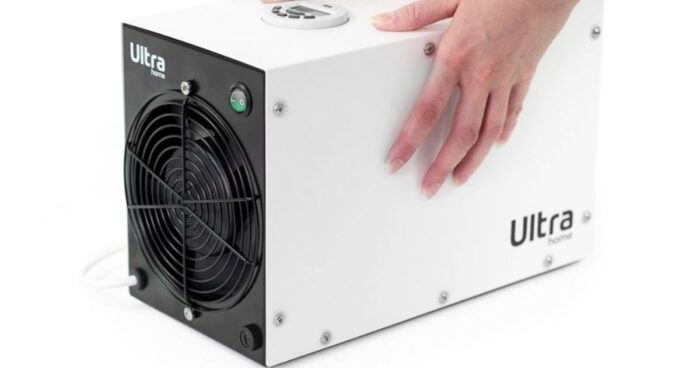
Ozone generators — also known as ozone air purifiers — are well worth adding to your anti-runny-nose arsenal. Ozone is one of the most powerful oxidising agents around. It tackles not only bacteria and viruses but also unpleasant odours and mould.
These devices work by producing active oxygen (O₃/ozone), which converts back into regular oxygen (O₂) after use. As an oxidising agent, ozone has strong disinfecting properties and can be used in gaseous form in enclosed spaces.
Read more about how to choose an air purifier.
Vitamins
When you have a runny nose, supporting your immune system is essential. One of the easiest and most pleasant ways to boost immunity is by taking vitamins and minerals. Here’s what’s recommended:
- Vitamin C – Known for its antioxidant properties, vitamin C supports the immune system. Regular intake may shorten the duration and reduce the severity of a cold.
- Vitamin D – Preventing respiratory infections is hard without adequate vitamin D. Keep your levels topped up especially during the winter months, when you get less sunlight — an important natural source of this vitamin.
- Zinc – Thanks to its properties, zinc helps the body fight infections.
- Vitamin A – Vitamin A also plays a role in fighting infections. A deficiency can weaken your body’s defences.
- Vitamin E – With its antioxidant effects, vitamin E contributes to a stronger immune system.
- Selenium – Among the minerals that support proper immune function, selenium is a key player.
You might also like: Vitamin D deficiency
Rest
Rest plays a crucial role in immune-system recovery. While you sleep, your body produces and releases substances that fight infections — including the ones causing your runny nose. Getting enough sleep gives you more energy and strength, helping you cope with symptoms far better.
How to get rid of a runny nose: Home remedies
How can you speed up recovery? If you combine the tips above with some tried-and-tested home remedies, you can truly say you’ve done everything possible for your health. Traditional methods for treating a runny nose include:
- Steam inhalation – Bring water to the boil, pour it into a bowl, and optionally add a few drops of eucalyptus oil. Lean over the bowl, drape a towel over your head, and breathe deeply to help clear a blocked nose.
- Broth – Hot broth helps warm and hydrate the body. Chicken broth with herbs or vegetable broth are great choices, as they contain nutrients that bolster the immune system.
- A hot bath – A hot bath helps relax muscles, ease aches, and generally unwind. You can add essential oils to the water — lavender or peppermint, for example — for an extra soothing effect.
- Herbal tea – Sipping warm herbal tea can help you manage runny-nose symptoms. Popular options include peppermint, lemon balm, sage, or echinacea.
- Fruit – Vitamin-C-rich fruits such as citrus, strawberries, or kiwi support the immune system and help the body fight infection.

How to get rid of a runny nose in babies?
It’s always best to consult a doctor about your baby’s symptoms and treatment. In general, though, you can ease a runny nose by humidifying the room where your baby sleeps using a humidifier, which helps clear a blocked nose. You should also suction mucus from the baby’s nose, make sure they’re getting plenty of fluids, and when they sleep, gently elevate their head to make breathing easier. There are also nasal drops formulated for infants — but always read the leaflet to check the recommended age and dosage before giving them to your baby.
TIP: The most common allergies in children
How to tell a runny nose is ending?
Signs that a runny nose is coming to an end include reduced mucus production, easier breathing, and a gradual easing of coughing and sneezing. You’ll feel more energetic and an overall improvement in wellbeing. If your symptoms persist or worsen, don’t hesitate to see a doctor.
You might also like: 5 tips for dealing with a blocked nose from allergies
Frequently asked questions
How to get rid of a runny nose overnight?
You can never completely get rid of a runny nose overnight. However, if you use a nasal spray, take throat lozenges and vitamins, switch on an ozone generator, and drink plenty of fluids, you should notice some relief by the next morning. You can also try broth, a hot bath, or steam inhalation — classic home remedies for a runny nose.
How to stop a runny nose immediately?
Unfortunately, you can’t stop a runny nose instantly. However, try nasal drops, steam inhalation, and warm drinks — these can noticeably ease your symptoms.
What not to do when you have a runny nose?
Don’t overexert yourself with physical activity. Avoid long-term use of decongestant nasal drops. Cut back on smoking or stay away from smokers. Get plenty of rest in a room with adequate humidity.
How to get rid of a runny nose without medication?
Air purifiers, humidifiers, steam inhalation, herbal teas, and vitamins and minerals are all effective ways to tackle a runny nose without medication.
When does a runny nose end?
How long a runny nose lasts depends on the type and your overall health, but symptoms usually clear up within 7 to 10 days. If they don’t, see a doctor who can advise on the best approach for your particular case.
When does a runny nose start to improve?
If you follow our tips for getting rid of a runny nose, you should start to see improvement as early as the second day. You’ll notice reduced mucus production, easier breathing, and a general return of energy.