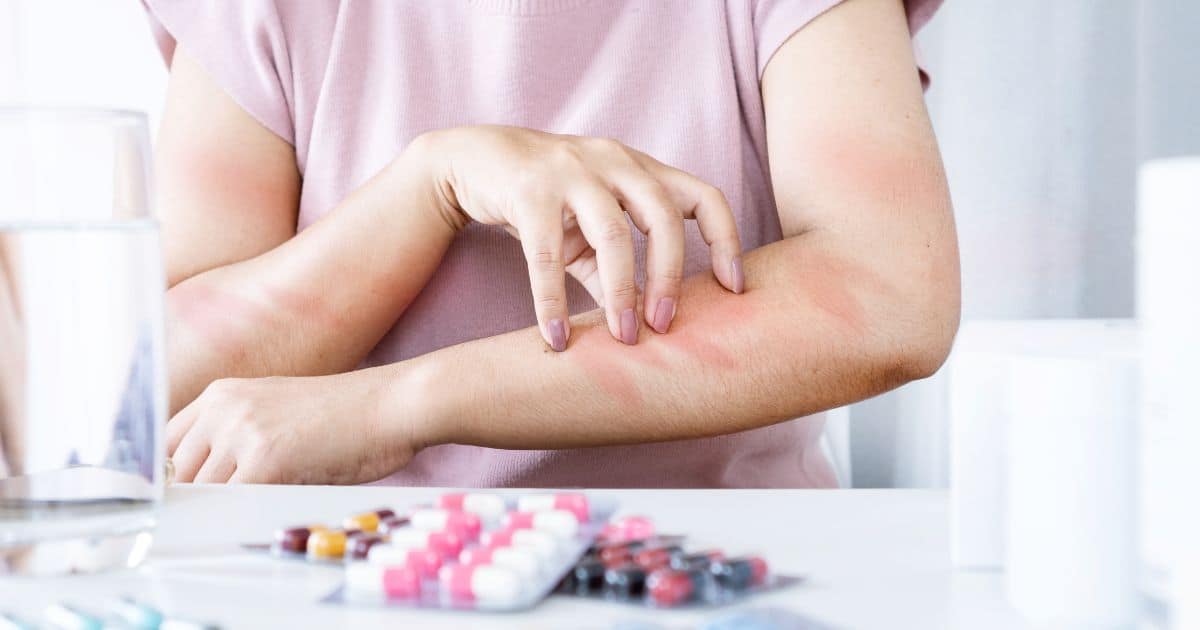
Itchy, red, unpredictable. An allergic rash is far more than a cosmetic nuisance — it’s a signal that your immune system is fighting something it perceives as a threat. I know how frustrating it can be when you’re trying to pin down the cause and find relief, so I’ve put together this comprehensive, fully updated guide for 2026. There isn’t just one type of rash, and each one calls for a different approach. Let’s look at how to correctly identify what’s happening on your skin, when to pay close attention, and what strategy to choose so your skin can find peace again.
TL;DR
- An allergic rash isn’t a single condition — it’s an umbrella term for various skin reactions (hives, eczema, contact dermatitis), each with its own cause and course.
- Correct identification is essential. Learning to tell a fleeting hive from a well-defined patch of contact dermatitis is the first step toward effective treatment.
- Healing time varies widely. Acute hives can disappear within 24 hours, contact dermatitis needs weeks of allergen avoidance, and atopic eczema is a chronic battle.
- Children’s skin is different. Allergic rashes in children often have different triggers (food) and presentations because their skin barrier is thinner and more permeable. A rash with a fever always warrants a doctor’s visit.
- Eliminating the trigger is key. Success isn’t just about suppressing symptoms with creams — it’s about systematically tracking down the allergen and removing it from your environment.
What is an allergic rash?
An allergic rash — medically known as allergic dermatitis — is an inflammatory allergic reaction on the skin. It occurs when the immune system encounters an allergen, a substance it mistakenly identifies as dangerous, and launches a defensive cascade. The result is the release of inflammatory mediators such as histamine, which cause redness, swelling, and — above all — intense itching.
Under the International Classification of Diseases (ICD-10), these conditions fall into several categories, most commonly L23 (Allergic contact dermatitis), L20 (Atopic dermatitis), or L50 (Urticaria/Hives). According to data from the Global Burden of Disease project and observed trends, it’s estimated that by 2026 more than 20% of the world’s population will suffer from some form of allergic dermatitis — underscoring just how significant this problem is. The trigger can be virtually anything: from pollen and dust mites to ingredients in cosmetics, food, or medication.
TIP: Allergic Reaction on the Face: How to Recognise It and What Works
Types of allergic rash: What does a skin allergy look like?
The term “allergic rash” is far too broad on its own. For proper treatment, you need to distinguish exactly which type of skin reaction you’re dealing with. The various forms differ not only in appearance and cause but also in duration and therapeutic approach. It’s easy for a non-specialist to mix them up, since itching and redness are almost always the common denominator. The important differences, however, lie in the details — location, shape, and timeline.
The four most common types are: fast-onset, fleeting hives (urticaria), well-defined allergic contact dermatitis, chronic and widespread atopic eczema, and photodermatitis, which is linked to sun exposure. Each of these tells a different story about what’s happening inside your body and on your skin.
Visual guide — how to identify an allergic rash by sight
Getting your bearings among the different skin manifestations is the first step toward understanding the problem. I’ve put together an overview of the most common rash types so you can get a clearer picture. Remember, though, that a definitive diagnosis must always come from a doctor. The descriptions below will help you better articulate what’s troubling you.
1. Hives (Urticaria)
What it looks like: The hallmark sign is wheals — sharply defined, raised bumps that range from pink to white, often surrounded by a red border (halo). They look a lot like nettle stings. Wheals can merge into large, map-like patches. They itch intensely, but you’ll never find scaling or weeping on them.
Key features: The defining trait of hives is their fleeting nature. An individual wheal disappears without a trace within 24 hours, yet new ones may pop up elsewhere on the body in the meantime. When episodes last fewer than 6 weeks, we call it acute urticaria. I cover this topic in more detail in a dedicated article on hives.
2. Allergic contact dermatitis
What it looks like: A red, itchy patch that mirrors exactly where the skin touched the allergen. In the acute phase, tiny blisters (vesicles) may appear and weep. In the chronic phase, the skin thickens, becomes dry, and cracks (lichenification).
Key features: The reaction is delayed, typically appearing 12–72 hours after contact. Classic examples include a rash under a metal trouser button (nickel allergy) or on the wrist beneath a watch strap. In my own family, we spent a long time searching for the cause of hand eczema before discovering an allergy to rubber chemicals in gloves.
3. Atopic eczema (Atopic dermatitis)
What it looks like: Symptoms vary with age and phase. In infants, it starts on the cheeks and scalp as red, weeping patches. In older children and adults, it migrates to typical locations: the inner elbows, backs of the knees, neck, and wrists. The skin is extremely dry, rough, prone to cracking, and intensely itchy — leading to scratching and further damage.
Key features: This is a chronic inflammatory condition with phases of flare-up and remission. It isn’t purely an allergy but primarily a skin barrier disorder. You can read more about this complex topic in the article on atopic eczema.
4. Drug rash (Drug exanthem)
What it looks like: Most commonly, it presents as a maculopapular exanthem — a symmetrical eruption of red spots and small bumps that begins on the trunk and spreads to the limbs. It can resemble measles. Itching tends to be mild to moderate.
Key features: It typically appears 7–14 days after starting a new medication (commonly antibiotics or antiepileptics). It’s a manifestation of a systemic immune reaction. If you suspect a drug allergy, contact your doctor immediately.
Timeline: How long does an allergic rash last by type?
One of the most common questions I get is: “When will this finally go away?” The answer depends on the type of reaction and how quickly you manage to remove the underlying cause. Here’s a clear table summarising the typical timeline for each type of rash.
| Rash type | Onset after exposure | Resolution after trigger removal | Core treatment principle |
|---|---|---|---|
| Acute hives | Minutes to 2 hours | Individual wheals within 24 hours; full episode days (max 6 weeks) | Antihistamines, trigger identification |
| Contact dermatitis | 12 to 72 hours | 2 to 4 weeks | Strict allergen avoidance, topical corticosteroids |
| Atopic eczema (flare) | Variable (hours to days) | Days to weeks (chronic relapses) | Intensive moisturising, anti-inflammatory treatment, trigger control |
| Drug reaction | 7 to 14 days (sometimes sooner) | 1 to 2 weeks after stopping the drug | Immediate drug discontinuation (doctor-supervised), antihistamines |
How to relieve an allergic skin reaction
During an acute flare, the goal is to ease itching and calm inflammation as quickly as possible. The basic toolkit includes both over-the-counter and prescription options — but using them correctly is crucial.
Antihistamines provide systemic relief from itching and symptoms such as hives. Modern second-generation antihistamines (active ingredients like cetirizine, loratadine, and fexofenadine) have the advantage of being non-drowsy and only need to be taken once a day. Always follow the dosage on the patient information leaflet or your doctor’s recommendation. In more severe cases, a doctor may increase the dose.
To calm localised inflammation in eczema and contact dermatitis, corticosteroid creams or ointments are used. These are very effective, but they need to be treated with respect — applied only to affected areas, in a thin layer, and for the limited time your doctor specifies. Prolonged or incorrect use, especially on sensitive areas like the face, can lead to skin thinning.
As an immediate first-aid measure for intense itching, try cold compresses. Soak a clean cloth in cold water, wring it out, and apply it to the affected area for 10–15 minutes. The cold helps constrict blood vessels and eases the itching sensation.
How to get rid of an allergic rash
Treating acute symptoms is only half the battle. If you want to prevent the problem from coming back, you need to focus on prevention and a long-term strategy. That comes down to one thing: identifying and eliminating the trigger.
For airborne allergens (pollen, dust mites) that can worsen atopic eczema, adjusting your home environment is fundamental. Regularly using a quality air purifier with a HEPA filter can significantly reduce the concentration of allergens in the air you breathe. In the bedroom — where you spend a third of your life — anti-dust-mite bedding encasements are invaluable. They create an impenetrable barrier that blocks contact with dust mite allergens from your mattress and pillows.
Pay close attention to the ingredients in your cosmetics and cleaning products. Choose hypoallergenic products free from unnecessary fragrances and preservatives. Very hot water also irritates the skin, so shower with lukewarm water and keep it brief. After washing, don’t rub your skin with a towel — gently pat it dry instead.
Last but not least, think about your clothing. Wear breathable garments made from natural or functional fabrics that wick away sweat and won’t irritate your skin. Wash your clothes with gentle laundry detergents designed for sensitive skin.
Allergic rash in children — specifics and common causes
Allergic rash in children is a topic of its own. Children’s skin is up to 30% thinner than adult skin, with a thinner stratum corneum and a less developed barrier function. This means it’s more permeable to irritants and allergens — and more prone to moisture loss.
In toddlers and infants, the most common triggers are food allergens, particularly cow’s milk protein allergy (CMPA), egg, or wheat. Symptoms often present as atopic eczema on the cheeks and trunk. Another frequent cause is drug exanthems, typically after antibiotics prescribed for infections. Unlike adults, where contact allergies to metals and fragrances dominate, these types are rarer in children.
When should you take your child to the paediatrician without delay? Be alert whenever:
- The rash is accompanied by a fever.
- There is swelling of the face, lips, or tongue.
- The child has difficulty breathing, is wheezing, or sounds hoarse.
- The rash consists of dark red or purple dots that don’t fade when pressed (petechiae).
- The child is lethargic, unusually sleepy, or excessively irritable.
TIP: 7 Tips for Easing Allergies in Children
When to see a doctor about a rash
A mild, one-off rash where you can guess the cause (say, after trying a new cream) is often something you can manage at home. But there are situations when a visit to your GP, dermatologist, or allergist is essential.
Seek professional help if:
- You don’t know what caused the rash and home treatment hasn’t helped after a few days.
- The rash is spreading rapidly across your body.
- The itching is unbearable and disrupting your sleep and daily activities.
- You have other symptoms alongside the rash, such as fever, joint pain, or general malaise.
- The rash is weeping, developing yellow crusts (a sign of bacterial infection), or is painful.
- You suspect a reaction to a medication.
- Swelling appears — especially around the face and throat — or you have difficulty breathing. In that case, call emergency services immediately (999/112) as this could be life-threatening anaphylaxis.
📖 You might also find useful
🛡️ What I reach for when a rash flares up
During an acute flare, irritated skin appreciates soft clothing free from harsh chemicals. Antibacterial nano-fabric clothing limits secondary infections and doesn’t scratch. For soothing relief, I find AtopCare cream works well. To identify your trigger, you can try a home allergy test.
Conclusion
An allergic rash is a complex problem that demands more than just suppressing symptoms. Understanding which type of reaction is playing out on your skin is the first and most important step. Whether you’re dealing with fleeting hives, well-defined contact dermatitis, or chronic eczema, remember that the keys are patience, observation, and a systematic approach. Treatment isn’t a sprint — it’s more of a marathon, with calm, healthy skin waiting at the finish line.
If rashes keep coming back and you’re unsure of the cause, don’t hesitate to book an appointment with your doctor. And as a first concrete step you can take today, start keeping a detailed diary. Write down what you eat, which cosmetics you use, where you spend your time, and when the rash appears or worsens. This information is an absolutely invaluable guide — both for you and your doctor — on the journey to uncovering the culprit.
Frequently asked questions
How long does an allergic rash last?
Healing time varies dramatically depending on the type. Acute hives can clear within a few hours to days, while contact dermatitis needs 2–4 weeks after the allergen is removed. Atopic eczema is chronic, with alternating phases of remission and flare-up.
What should I put on an allergic rash?
For soothing dry, eczema-prone skin, barrier creams and emollients are the foundation. For acute inflamed patches, a doctor may prescribe corticosteroid ointments. For itchy hives, topical treatments don’t help much — antihistamines taken by mouth are the mainstay.
Is an allergic rash contagious?
No, an allergic rash is absolutely not contagious. It’s an individual, non-transmissible reaction of the immune system to a specific allergen. You can’t catch it from anyone or pass it on to someone else.
Why does my rash only appear at night?
Nighttime worsening of itching and rashes can have several causes. These include the natural drop in the anti-inflammatory hormone cortisol at night, contact with allergens in your bedding (dust mites), or simply fewer distractions — making you more aware of the itch.
When should I see a doctor about an allergic rash?
Always see a doctor if the rash is spreading rapidly, is accompanied by fever or swelling (especially of the face), or you’re having difficulty breathing. Also seek help if home treatment isn’t working, the cause is unknown, or the rash is severely affecting your sleep and quality of life.