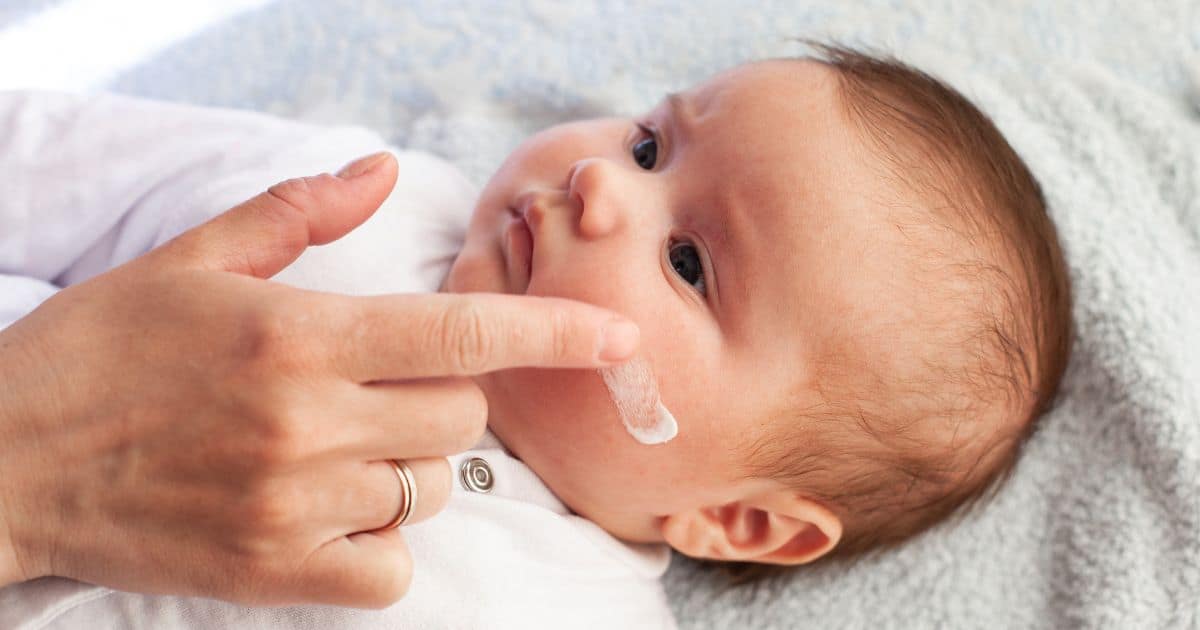
Although atopic eczema can appear at any age, it most commonly begins during infancy and early childhood. It affects approximately 15–20% of children worldwide. In this article, we’ll take a closer look at the causes of atopic eczema in children and what creams to apply, so that little ones with atopic skin can enjoy their childhood without unnecessary limitations.
Causes of atopic eczema in children
Atopic eczema is a chronic inflammatory skin condition. Several factors can drive its development. The most common causes of atopic eczema in children include:
- Genetics – Genetic predisposition plays a key role. Children whose parents or siblings suffer from atopic eczema, asthma, or hay fever are far more likely to develop atopic dermatitis.
- Environmental factors – Air pollution, climate conditions, allergens, and irritants can all contribute to the development and worsening of atopic eczema. Children living in cities with higher pollution levels tend to be more susceptible.
- A weakened immune system – Atopic eczema is also linked to immune system dysfunction, which leads to an excessive immune response to everyday stimuli. This specifically manifests as skin inflammation.
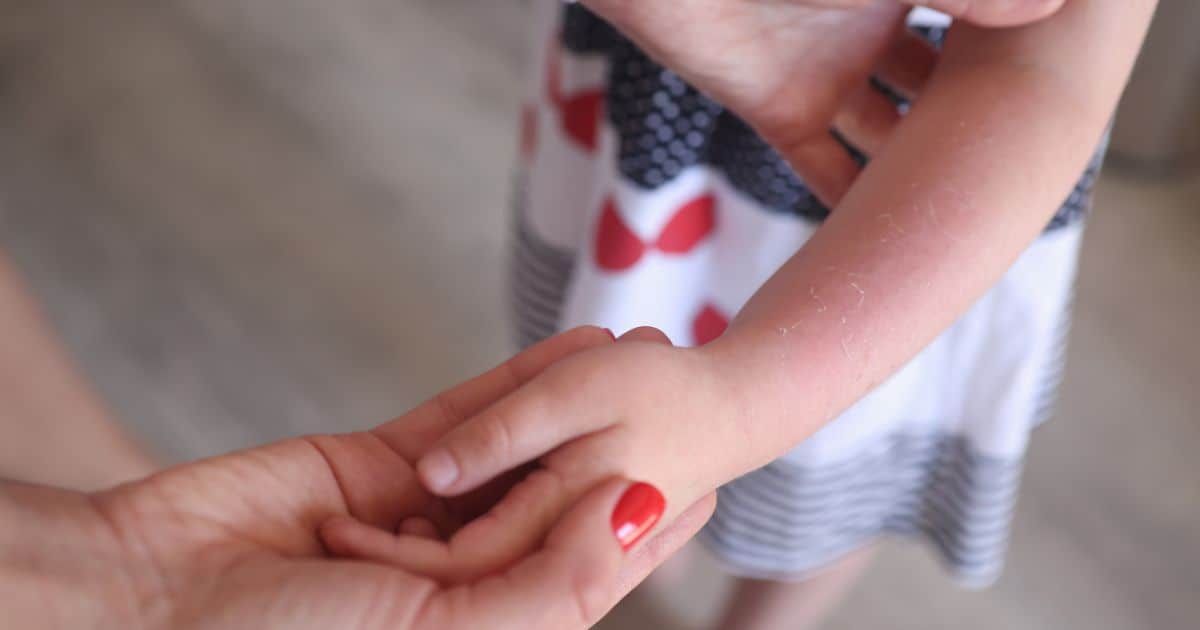
Read more about the different types of eczema that exist.
How to recognise atopic eczema in children?
In infants, atopic eczema mainly appears on the cheeks, scalp, forearms, legs, and torso. In older children, it tends to show up in skin folds — around the elbows, knees, wrists, and neck.
The symptoms and their severity vary depending on the child’s age. However, the typical signs of atopic eczema in children include:
- Dry skin – The skin becomes very dry, cracks, and develops flaky patches.
- Itching – Intense itching is one of the most characteristic symptoms of atopic eczema. It can be so severe that it disrupts the child’s sleep.
- Redness and inflammation – Affected areas of skin appear red and inflamed.
- Rash – Small bumps, blisters, or red patches may appear on the skin.
- Thickened skin – The skin may become rough and thickened in certain areas as a result of frequent scratching.
- Weeping – During acute flare-ups, the eczema may weep or ooze.
If any of these symptoms appear in your child, even on a small scale, seek medical advice. After a clinical skin examination, a doctor will recommend appropriate treatment. Don’t be alarmed — your child may also undergo skin or blood allergy tests to rule out an underlying allergy.
You might also like: What does sun allergy look like in children?
How to treat atopic eczema in children?
Treating atopic eczema in children requires a combination of approaches aimed at relieving symptoms and preventing flare-ups. Your doctor may recommend emollients (rich creams or ointments) that moisturise the skin and improve its barrier function. These should be applied several times a day, especially after bathing.
Prescription creams and ointments containing corticosteroids can help reduce inflammation and itching, but it’s especially important to follow your doctor’s instructions when using them. Calcineurin inhibitors are an alternative to corticosteroids and are suitable for long-term treatment of sensitive areas such as the face and neck.
In some cases, children may be prescribed antihistamines. These are particularly helpful for very itchy forms of eczema that disrupt sleep.
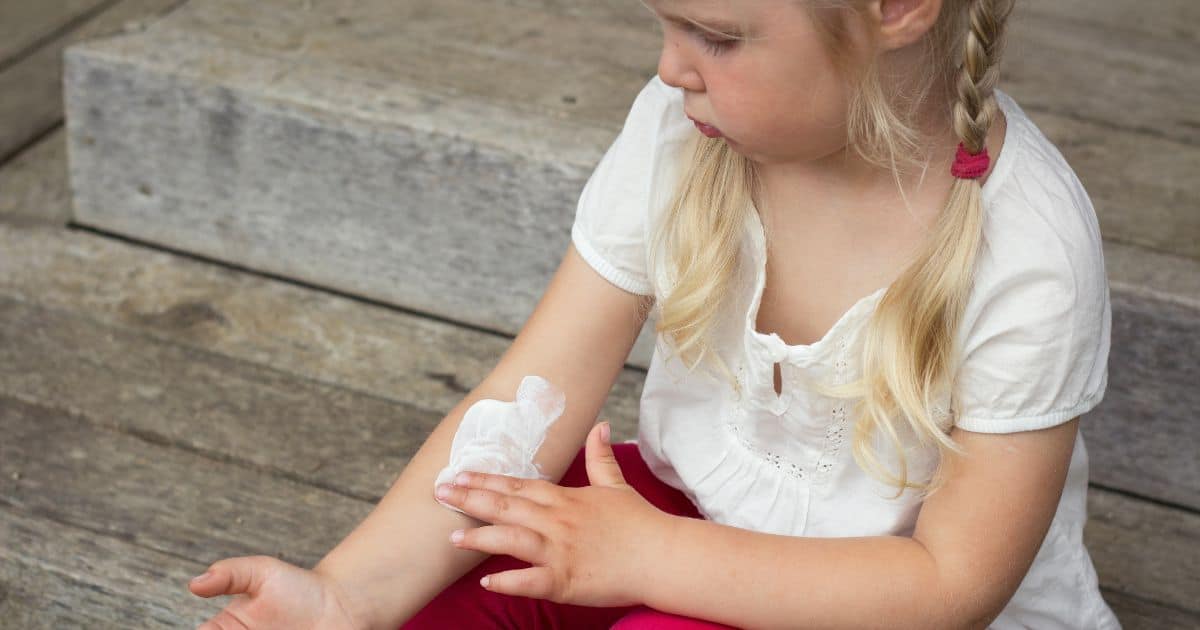
What else helps with atopic eczema in children?
Beyond your doctor’s recommendations, make sure your child’s skin stays properly hydrated, nothing irritates it, and they aren’t scratching as a result. A varied diet also matters. Below you’ll find a few practical tips.
1) Skincare for atopic skin
For atopic eczema in children, use moisturising creams that are fragrance-free, strengthen the skin barrier, relieve itching, restore the natural lipid layer, and prevent dehydration. The best choice is always products specifically formulated for atopic skin.
You can recognise a good eczema cream by its natural ingredients with soothing and anti-inflammatory properties. Look for ingredients like oat extract, vitamin E, and hop extract.
Apply the cream at least twice a day. If the eczema flares up, apply it more frequently. Don’t forget that you need to switch out all skincare products — including soaps and shampoos, not just creams.
You might also like: TOP 10: Best creams for atopic eczema
2) Breathable clothing
There’s nothing worse than irritated skin getting overheated and sweaty. Dress your children in breathable fabrics that allow sweat to evaporate, let the skin breathe freely, and support better healing.
3) Laundry detergents for eczema-prone skin
Allergy UK and the National Eczema Society recommend using the Ecoegg laundry egg for washing. Dermatological tests confirm that it is hypoallergenic and free from irritating chemicals that could worsen atopic eczema. Laundry eggs are also practical, as you can use them with a wide range of fabrics.
TIP: How eco-friendly laundry works with the Ecoegg
4) Clean and humid air
Dust, pollen, dust mites, and other allergens can worsen atopic eczema symptoms. Consider getting an air purifier and anti-dust-mite bedding for your home to help minimise allergen exposure indoors.

You might also like: Review: nanoSPACE children’s zipped mattress sheet in Nanocotton®
Dry air is also bad news for atopic eczema in children, as it can dehydrate the skin, causing it to crack and triggering itching. Humidified air helps keep the skin moisturised — making it softer and more supple. A humidifier can help you achieve the right moisture level in the room. Since neither air purifiers nor humidifiers come cheap, you’ll be pleased to know you can get a combined unit.
Read more: How to choose an air purifier for allergy sufferers
5) A balanced diet
The World Health Organization recommends breastfeeding for the first six months. Breastfeeding can have a positive impact on the development of the immune system, which — as you already know — is linked to the development of atopic eczema.
After that, variety is key. A child’s diet should cover all the main nutrient groups — protein, fats, carbohydrates, vitamins, and minerals.
Be aware that certain foods can trigger an allergic reaction in children with atopic eczema, which may worsen the condition of their skin. The most common allergens include cow’s milk, eggs, peanuts, tree nuts, wheat, fish, shellfish, soy, celery, and sulphites (found in dried fruit, for example). If you suspect a food allergy in your child, consult a doctor.
While children should ideally get the nutrients they need from food, it doesn’t hurt to supplement their diet with certain dietary supplements, particularly vitamins (C, D, E, A), minerals (zinc, copper, selenium), probiotics, and omega-3 fatty acids.
Frequently asked questions
What triggers atopic eczema in children?
Atopic eczema in children can develop due to genetic predisposition. It can also be triggered by allergens — particularly food allergies or allergies to dust, pollen, and animal dander. Irritants in cosmetics, cleaning products, or clothing can also be triggers. Stress and cold, dry weather may also play a role in the development of atopic eczema.
What does atopic eczema look like in children?
The main symptoms of atopic eczema in children are dry, flaky skin, itching, and redness. In more severe cases, skin infection may occur. Atopic eczema can appear on the cheeks, scalp, forearms, legs, body, and in skin folds.
How to soothe atopic eczema in children?
Moisturising creams designed specifically for atopic skin work well for atopic eczema in children. Your doctor may also recommend corticosteroid ointments, emollients, or antihistamines.
What diet is suitable for children with atopic eczema?
A varied diet rich in omega-3 fatty acids, vitamins, and minerals that support healthy skin is essential for children with atopic eczema. If your child isn’t getting enough of these nutrients from food alone, you can consider dietary supplements.
What cream to use for atopic eczema in children?
The best creams for atopic eczema in children are fragrance-free and free from irritants. Products specifically designed for atopic skin are ideal, as they strengthen the skin barrier and help prevent dehydration.