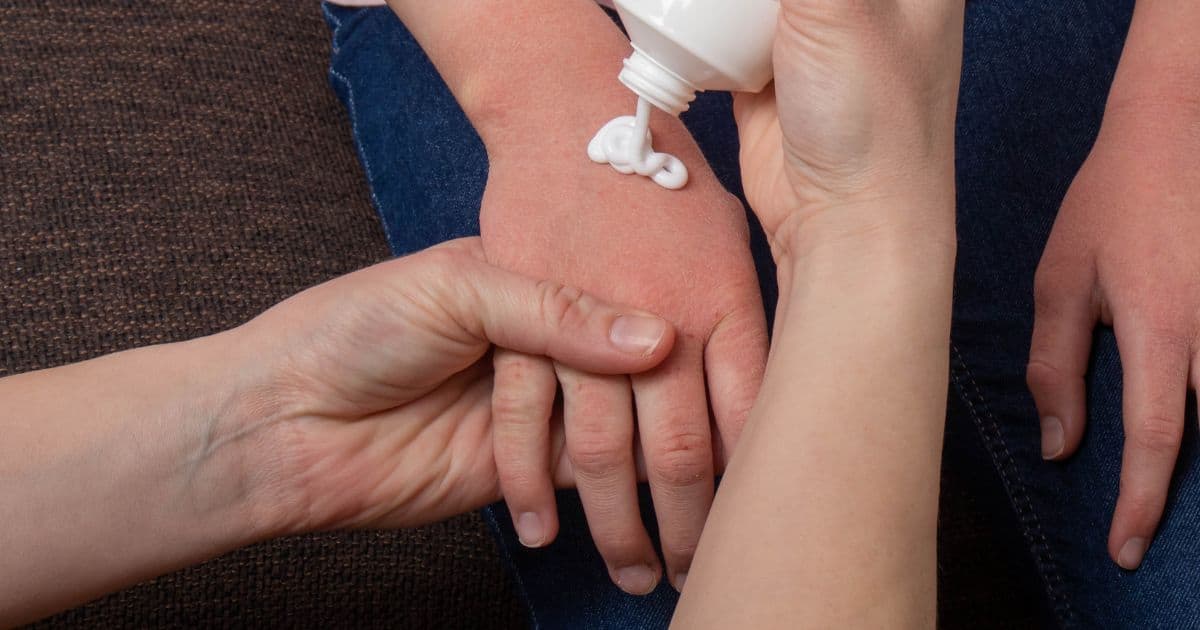
Do you wake up every morning feeling like your skin has been sprinkled with sand and doused in lemon juice? That’s exactly what life looks like for someone with atopic eczema. After 15 years of constantly battling dry skin, I’ve put together a list of the best creams for atopic eczema that will save you years of searching and, most importantly, suffering.
Contents
How to choose creams for atopic eczema?
Everyone’s skin is different, so it reacts differently to cosmetic products. However, there are a few basic rules that we eczema sufferers should follow when choosing eczema creams:
- Look for formulas free of fragrances and irritants – The fewer chemicals, the better. Avoid alcohol, preservatives, and perfumes.
- Go for moisturizing ingredients – Ceramides, glycerin, hyaluronic acid, and shea butter are excellent choices.
- You can’t do without regenerating ingredients – Oat extract, niacinamide, and panthenol help heal irritated skin.
- Choose dermatologically tested products – Opt for creams that have been tested and are designed for sensitive or atopic skin.
You might also be interested in: 7 tips on what helps with atopic eczema
10 best creams for atopic eczema – Personal experience and comparison
I’m not a dermatologist or a cosmetician – I’m simply someone who struggled day after day with dry, irritated skin and who spent fifteen years searching for effective relief. I personally tested every cream on this list for at least three months, across different seasons and during various eczema flare-up phases. (You don’t want to know what my testing journal looked like. 😅)
I evaluated the atopic eczema creams based on the following criteria:
- How does my skin feel right after application?
- How long did my skin stay hydrated after applying the cream? (measured over 24 hours)
- Did the cream help reduce eczema symptoms?
- How quickly did the cream absorb and did I like its consistency?
- Does it happen to contain any ingredients that could irritate the skin even more?
- Does the price match the size of the packaging and the results?
- How did my skin condition change after three months of use?
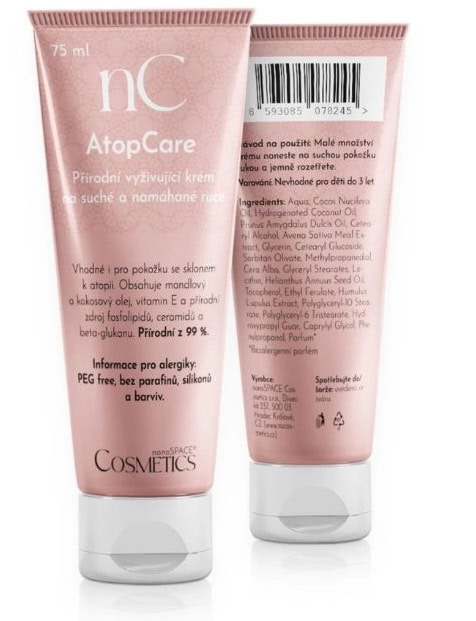
1. AtopCare Natural Nourishing Body Cream
Rating
The first week I was skeptical, like any eczema sufferer who’s already tried countless “miracle” products. But after a month of regular use, I noticed a dramatic improvement. The itching subsided and the red patches on my skin shrank. And you know what? The cream doesn’t cost a fortune.
2. Bioderma Atoderm Intensive Baume
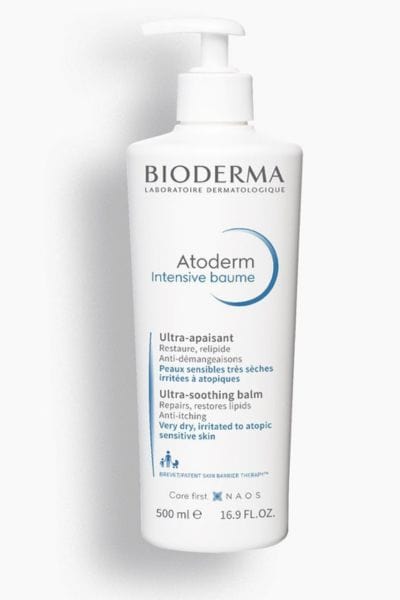
Rating
Bioderma was my first love before I discovered AtopCare. The cream doesn’t feel sticky, absorbs quickly, and most importantly – it works. I still keep it as a backup in case AtopCare isn’t available.
3. Avène XeraCalm A.D Relipidating Cream
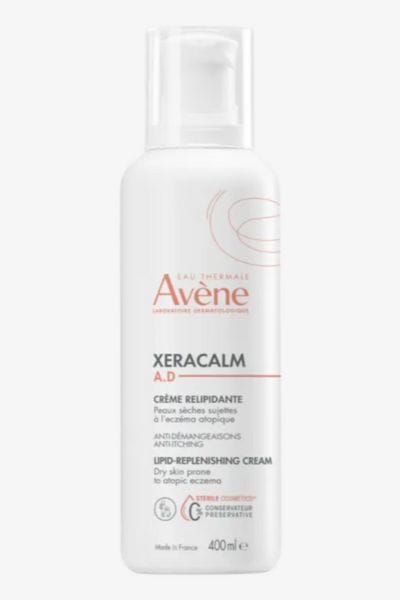
Rating
If the French are good at anything, it’s skincare. The cream works great, but I find it expensive for everyday use.
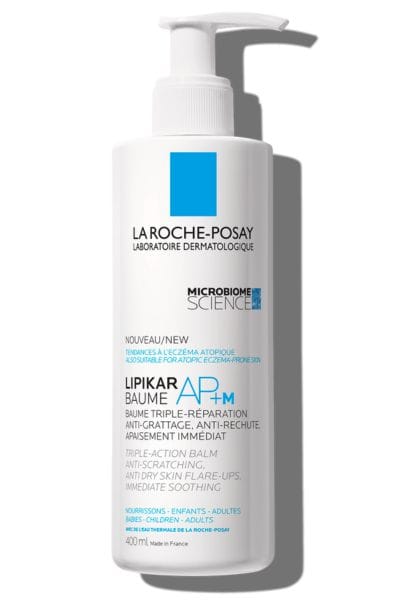
4. La Roche-Posay Lipikar Baume AP+M
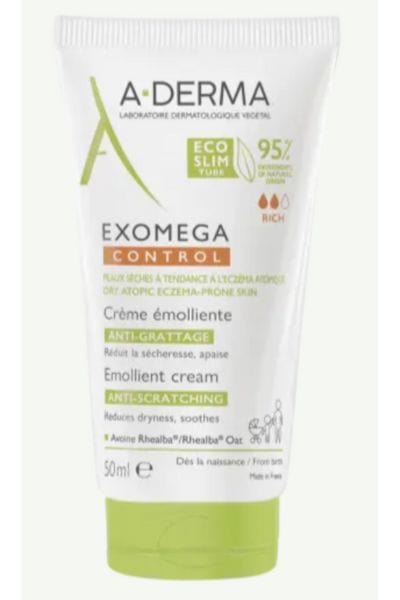
5. A-Derma Exomega Control Emollient Cream
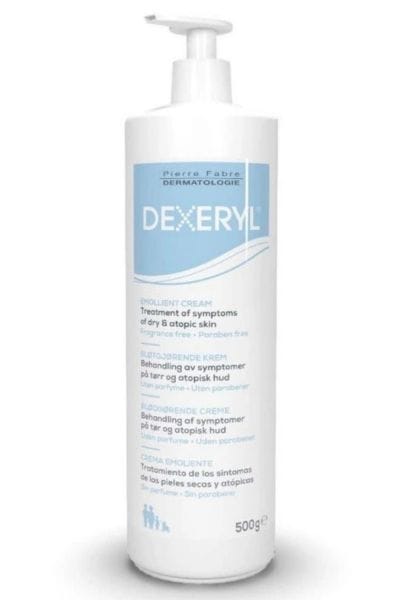
6. Dexeryl Emollient Cream
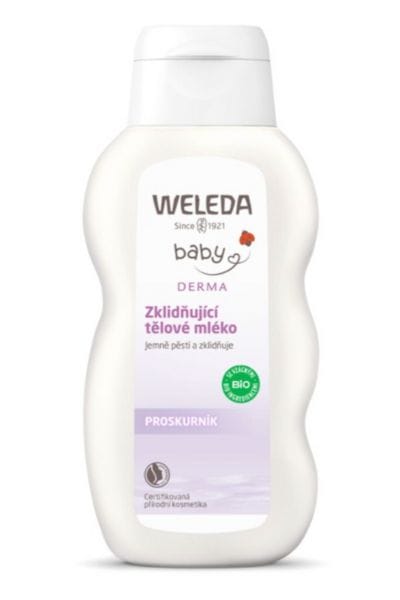
7. Weleda Soothing Body Lotion
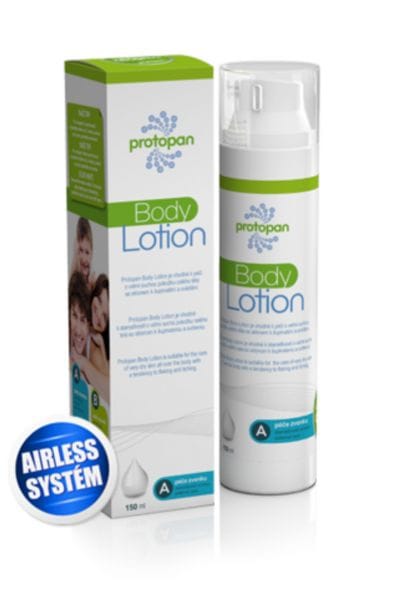
8. Protopan Body Lotion
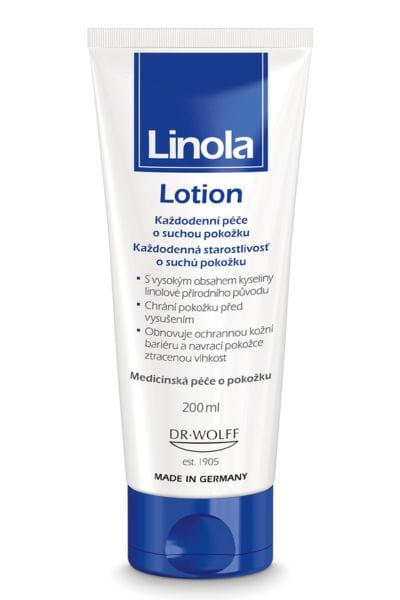
9. Linola Lotion
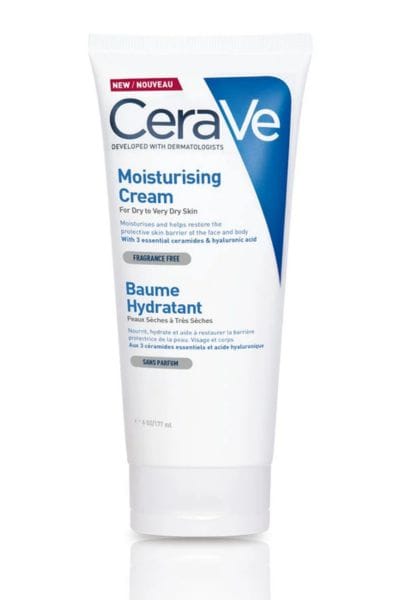
10. CeraVe Moisturizing Cream
TIP: What causes atopic eczema in children and what should you use to treat it?
How do I find out which cream is right for me?
It pays off to try several creams for atopic eczema and observe how your skin reacts to them. Your skin should not burn, itch, or turn red. After a week of use, you should see the first signs of improvement. If you are hesitant to use a cream, consult a dermatologist who can recommend a product tailored to your needs.
How often should you use atopic eczema cream?
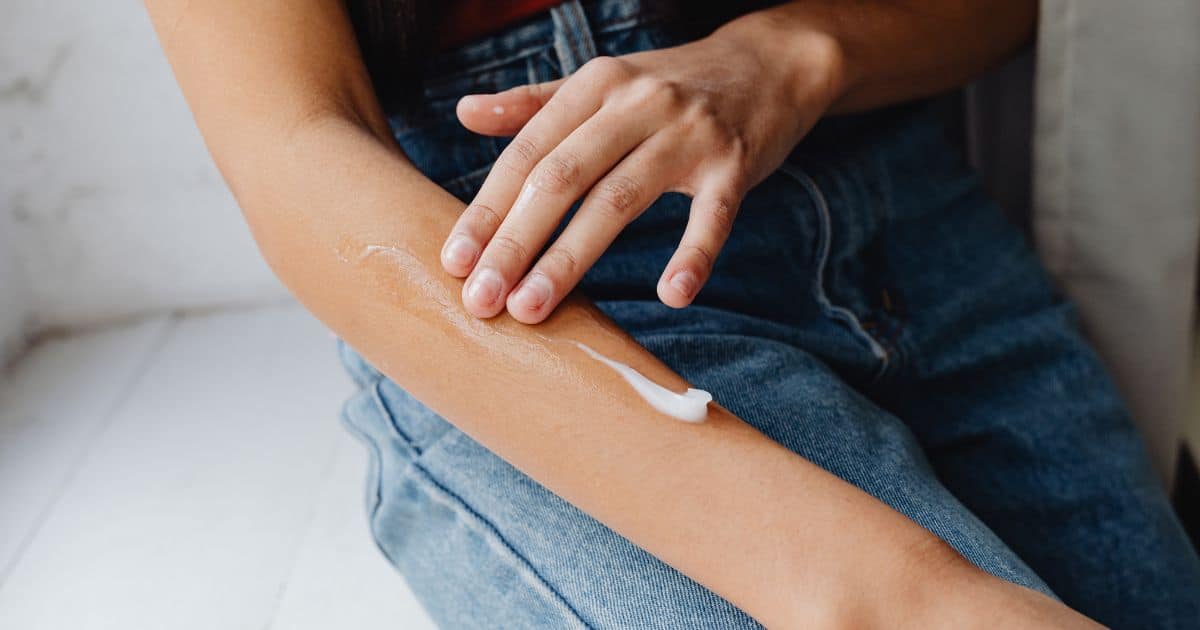
Skin prone to atopic eczema should be moisturized every day – in the morning, in the evening, and after every shower, because water dries out the skin. During eczema flare-ups, don’t be afraid to apply the cream several times a day (every 2 to 3 hours).
As for the amount, less is more. For hands and smaller areas, a pea-sized amount is enough; for the entire body, approximately two walnut-sized portions; and for the face, just a tiny lentil-sized drop.
You might also be interested in: Atopic eczema on the genitals: Causes and treatment