
Heading off on holiday and hoping that allergies won’t tag along? Travelling with allergies can quickly turn a dream trip into a nightmare, so read on for our practical advice on how to avoid waking up puffy-faced, red-eyed, and completely drained. And no, this isn’t just about popping antihistamines — we’ve got something better.
Which allergies can affect travel?
When you travel, you’re exposed to a whole range of allergens that can trigger unpleasant reactions. Unfortunately, the most common culprits behind allergies on holiday include:
- Pollen allergy,
- dust mite allergy,
- pet dander allergy,
- food allergies,
- insect sting allergy.

Preparing to travel with allergies
Before you leave, check websites, guidebooks, or apps that provide information about allergens at your destination. Use what you find to pack accordingly — or adjust your plans. Don’t forget to arrange travel insurance that can cover the cost of treating allergic reactions abroad.
1) The right accommodation
Roughly one in five people has allergies, yet hotels still don’t always offer allergy-friendly rooms.
If you’re allergic to dust, look for rooms without carpets and with as little soft furnishing as possible. Ring the hotel ahead of time and ask what options they have for allergy sufferers. Request that all bedding — including duvets and pillows — is freshly laundered (duvets and pillows aren’t always washed between guests).

If you have food allergies, find out in advance what dishes are served at your accommodation and what ingredients are used. Take the same care when choosing restaurants so you can steer clear of potential allergens.
2) Travel dust-mite-proof pillow cover
Since allergy-friendly hotel rooms are few and far between, it’s well worth packing a dust-mite-proof nano-fabric pillow cover. It creates a barrier that prevents you from inhaling allergens directly from the pillow — the single biggest source of exposure while you sleep. A 45×60 cm size fits most hotel pillows and is available for 279 Kč.
Dust-mite-proof nano-fabric covers are lightweight and easy to slip into your suitcase. They really don’t take up much room — leaving you plenty of space for souvenirs on the way home.

3) Protective gear
Whether you struggle with dust mite or pollen allergies, it’s a good idea to bring along additional protective items. Consider using respirators, face masks, or protective scarves — they shield you not only from allergens but also from viruses, bacteria, smog, and chemical pollutants.
4) Local conditions and air quality
Before heading outdoors, check the current allergen levels in the area. Many local information sources report real-time pollen counts and air-quality data, letting you adapt your plans so that allergies don’t gatecrash your holiday.
How to handle an allergic reaction on holiday
Even with the best preparation, allergies can still flare up while you’re away. Here are the key steps to keep in mind:
Allergy symptoms on holiday
Watch out for signs of an allergic reaction, which can include itching, swelling, a rash, difficulty breathing, vomiting, or dizziness. If any of these symptoms appear, you’re most likely dealing with an allergic reaction.
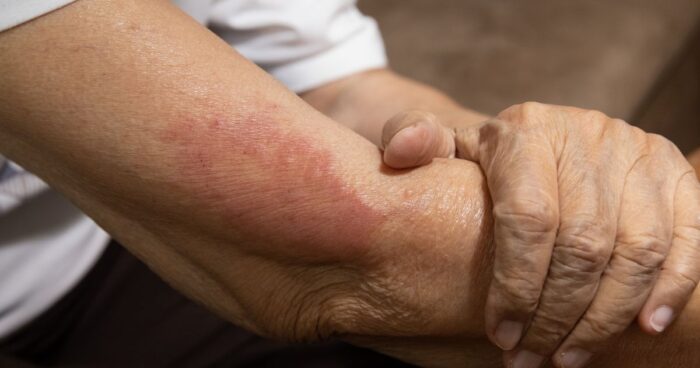
Allergy flare-up: what to do
For a mild allergic reaction — such as itching or slight swelling — follow the advice your doctor has given you. If symptoms persist or get worse, seek medical help immediately.
Travelling with allergies can be challenging, but with thorough preparation and the tips above, you can minimise the risk of allergic reactions and enjoy your holiday to the fullest.
Frequently asked questions
What should I do if I have an allergic reaction to food in a restaurant?
If you experience an allergic reaction, let the staff know straight away — they can direct you to the nearest doctor. As a general rule, it’s better to inform staff about your allergies before ordering and ask them to prepare your meal without the relevant allergens.
Can allergies affect air travel?
If you have severe allergies, flying can pose a higher risk than travelling by road. It’s a good idea to discuss air travel with your allergist before booking.
What should I do if I need medical help for an allergic reaction abroad?
Ask the hotel staff or locals for guidance. However, it’s always best to note down contact details for local healthcare facilities and your insurance provider before you leave, so you can get medical help without delay if you need it.