
Cold weather brings a whole host of health issues — including one rather unusual allergy. Its trigger isn’t a traditional allergen like pollen, mould or dust mites, but contact with cold itself. In this article, we’ll explore what cold allergy looks like, how to tell it apart from the flu, and what actually helps.
What is cold allergy?
Cold allergy, also known as cold urticaria (sometimes referred to as cholinergic urticaria), is the body’s defensive reaction to low temperatures. When exposed to cold, a person may develop a range of specific symptoms. It’s important to realise, though, that an allergic reaction can also be triggered by contact with cold water, frozen foods, icy drinks, and other cold objects.
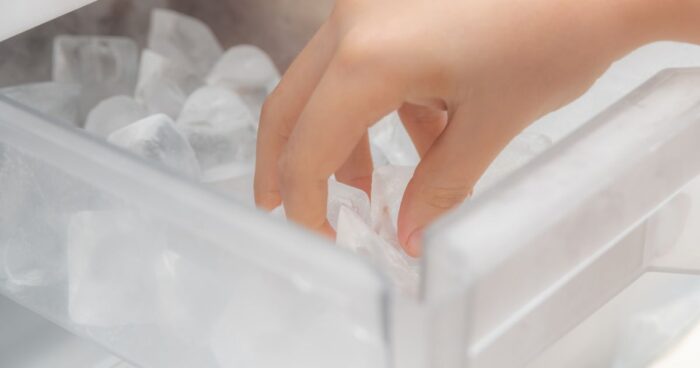
Cold urticaria usually flares up at temperatures around 0 °C, but more sensitive individuals may experience it even at 10 °C in a damp environment. Women tend to be affected more often, although men are by no means immune. The unpleasant symptoms can appear at any age — including childhood.
Read about the most common types of allergies and their symptoms.
Types of cold allergy
There are four types of cold allergy. They differ mainly in when the allergic reaction appears and how severe it is.
Idiopathic cold urticaria
Idiopathic cold urticaria is a form of cold urticaria that occurs without a known cause. The term “idiopathic” simply means the origin of the condition is unclear and cannot be easily identified. Doctors do, however, attribute the onset of idiopathic cold urticaria to bacteria and viruses. Symptoms typically appear within minutes of cold exposure, and treatment focuses on relieving those symptoms.
TIP: Urticaria (hives): What does it look like and how long does it last?
Symptomatic cold allergy
If you’re already dealing with a condition such as a haematological or autoimmune disease, a streptococcal infection, or a parasitic illness and cold allergy symptoms appear on top of it, you’re looking at symptomatic cold urticaria. This type essentially accompanies another underlying condition — or even a food or drug allergy.
Reflex cold allergy
Reflex cold urticaria refers to an allergic reaction caused by the overall effect of cold on the entire body. It’s a rarer type of cold allergy, but that doesn’t mean it can’t happen to you. Symptoms are often accompanied by low blood pressure, and spending time outdoors becomes extremely difficult for those affected.
Familial cold urticaria
Familial cold urticaria is an inherited form of cold allergy. Just like other types of allergies, cold allergy can be passed down from a parent — or you can pass the gene on to your children — and it may be present from birth.
For more on childhood allergies, click HERE.
Cold allergy: Symptoms
Excessive histamine production — triggered when the immune system overreacts to cold stimuli — can manifest in the following ways:
- Itching – After exposure to cold, you may experience intense and uncomfortable skin itching.
- Rashes – Red rashes or hives commonly appear on the skin.
- Swelling – The skin may swell and puff up, which can be very painful for some people.
- Joint pain – Some people start to experience joint pain after cold exposure.
- Chills – The reaction to cold can feel like chills. Even when the temperature isn’t particularly low, you find yourself shivering.
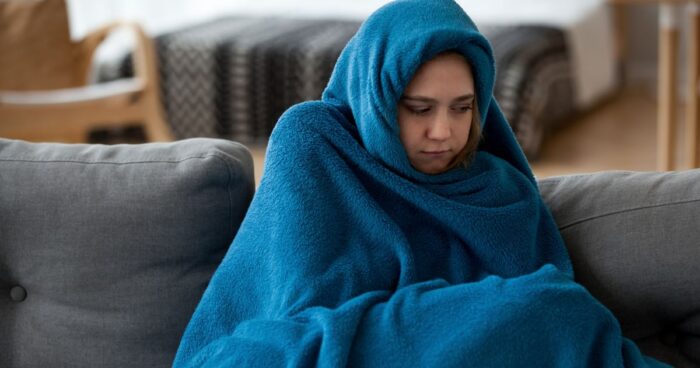
Unlike the flu, cold allergy is not accompanied by a runny nose or a cough. The flu, on the other hand, doesn’t cause a rash — so after reading this, you should have no trouble telling the two apart.
You might also like: When is sneezing a sign of allergy?
Psychosomatics of cold allergy
Psychosomatics explores how your mental state and emotions affect your physical health. In the case of cold allergy, stress, anxiety, or psychological pressure can make symptoms significantly more intense. Keep in mind, however, that psychological factors don’t cause cold allergy — they can only influence how it manifests.
Stress and anxiety can, for example, make your skin more sensitive, which in turn leads to a stronger reaction to the cold. If you suffer from cold urticaria, try to minimise negative psychological states in your life so that your condition doesn’t worsen.
How to treat cold allergy?
As soon as you notice any symptoms of cold urticaria, don’t put off seeing a doctor. You won’t solve the problem without professional assessment — in fact, you might make things worse. Cold allergy is diagnosed using an exposure test, which involves applying ice with water at a temperature of 10 °C.
If your suspicion of cold urticaria is confirmed, treatment is the next step. Treatment for cold allergy can vary depending on the severity of your symptoms. The most common approaches include:
- Antihistamines – These medications help relieve itching and reduce rashes.
- Corticosteroids – A cream or ointment containing corticosteroids may be prescribed to bring down swelling.
- Immunotherapy – In some cases, your doctor may recommend immunotherapy to help regulate the immune system.
How to manage cold allergy?
Following your doctor’s recommendations is the right first step towards managing cold allergy. But you’ll also need to put in some effort on your own. Here’s what that should look like.
1) Warm clothing
It might sound obvious, but be honest with yourself — are you dressing warmly enough? You should cover not just the affected areas but your whole body with adequately thick layers. That said, your clothing should be made from breathable materials so that sweat doesn’t irritate your sensitive skin further.
Choosing clothing specifically designed for allergy and atopic skin sufferers is a safe bet. These fabrics are enriched with antibacterial silver nanoparticles that are firmly embedded in the fibres and remain there even after washing. For anyone who struggles with sweating, nano clothing is an excellent choice.
TIP: Slow fashion and how to shop sustainably
2) Richer creams
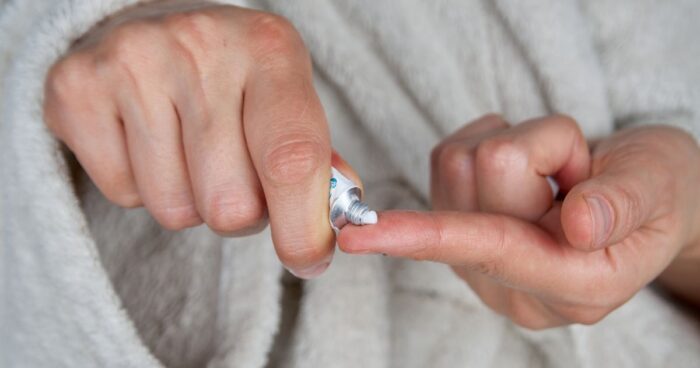
To care for your skin and soothe rashes, use creams with a richer, more emollient texture. Once again, opting for skincare designed for atopic skin is one of the best things you can do. Products for atopic skin are packed with tyndallised bacteria — probiotics that help balance your skin’s microbiome and protect it from external aggressors. Also make sure the cream contains a high proportion of natural moisturising ingredients.
TIP: Cosmetic allergy: How to recognise an allergy to cosmetics?
3) Avoid sudden temperature changes
Frequent and rapid transitions from warm to cold environments are one of the most common triggers for cold allergy symptoms. We realise you won’t always have a choice, but try to avoid these sudden shifts as much as possible.
TIP: If you love winter and plan to exercise and train on your bike even in winter, we have some tips on how to prepare.
4) Use a dehumidifier
A damp environment certainly doesn’t make life easier for cold allergy sufferers. Check the humidity level in your home using a hygrometer. If it exceeds 60 %, it’s time to invest in a dehumidifier. This handy device will remove excess moisture and help you keep humidity within a healthy range.
Read our guide on how to choose a dehumidifier.
Cold allergy in children
As we’ve already mentioned, cold allergy can affect children too. In most cases, they inherit it from you or your partner, although sometimes it’s idiopathic cold urticaria whose exact cause doctors are still trying to pinpoint. If you or your partner suffer from cold allergy, visit an allergist with your child before any immune system overreaction has a chance to develop. If the condition is confirmed, treatment for cold allergy in children is essentially the same as in adults.
You might also like: 7 tips to reduce allergies in children
Frequently asked questions
How can I prevent cold allergy?
You can’t completely prevent cold allergy from developing in the first place. However, if you see a doctor about it, they can prescribe appropriate treatment to ease the symptoms. We recommend combining this with warm clothing, creams for atopic skin, and dehumidifiers. If you also avoid frequent sudden changes from warm to cold environments, further flare-ups may not occur.
What helps with cold allergy?
Besides doctor-prescribed treatment, cold allergy can be managed with warm clothing made from breathable materials, richer creams, dehumidifiers, and by avoiding frequent sudden temperature changes.
Is cold allergy hereditary?
Yes, cold allergy can be hereditary. The inherited form is called familial cold urticaria. You inherit the gene from your parents and can pass it on to your children.
How to handle cold allergy in children?
Managing cold allergy in children is essentially the same as in adults. Start by visiting a doctor who can prescribe appropriate treatment for your child. Then make sure they have warm clothing made from breathable materials, and apply natural creams for atopic skin to the affected areas. If humidity levels are too high, don’t forget to use a dehumidifier as well.