
Eczema affects people of all ages. If you’re one of them, you know just how hard it is to resist scratching the affected area. On top of that, the skin doesn’t exactly look its best, leaving you reaching for ways to cover it up. In this article, we’ll explore the different eczema types, how to recognise them, and what you can do about them — so you can finally wear the clothes you’ve been longing to put on.
What is eczema?
Eczema, also known as dermatitis, is an inflammatory skin condition. It most commonly presents as itching, redness, and a rash. There are several types of eczema, but the most common is atopic dermatitis, which often appears in childhood and tends to run in families.
You might also like: TOP 10: Best Creams for Atopic Eczema
Types of eczema
There are several types of eczema, each with its own distinctive characteristics. Here’s an overview of the most common ones:
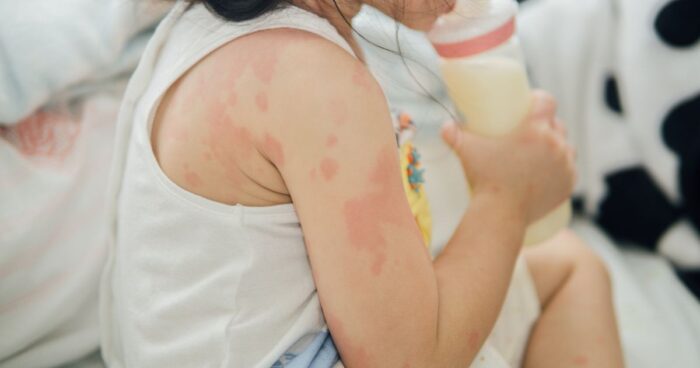
- Atopic eczema – Also called neurodermatitis, atopic eczema is one of the most common types. It usually appears in early childhood and can persist into adulthood. It is often associated with allergies and asthma. This type tends to be a weeping eczema.
- Contact eczema – Contact dermatitis, also known as allergic dermatitis, is triggered by contact with an allergen or irritant such as chemicals, cosmetics, or plants. The skin becomes red, itchy, and a rash may develop.
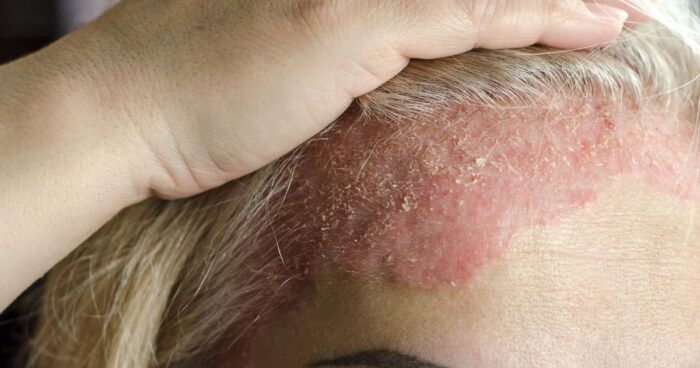
- Seborrhoeic dermatitis – Seborrhoeic dermatitis typically occurs in areas with a high concentration of sebaceous glands — so you’ll find it on the scalp, face, and chest. Besides itching, you’ll notice flaky, peeling skin.
- Nummular eczema – If you develop non-itchy, coin-shaped patches of eczema on your legs, it’s likely nummular eczema. Dry skin is also a hallmark of this type.
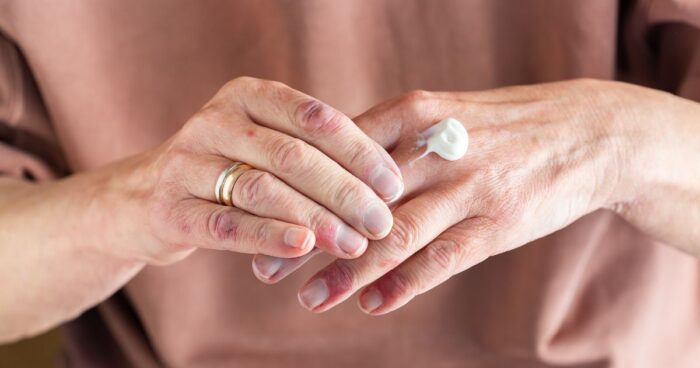
- Dyshidrotic eczema – This type manifests as small blisters on the hands that burst and gradually peel away.
- Solar dermatitis – If you have a sun allergy, you’ll know this term well. It presents as itchy bumps caused by UVA radiation.
Read more about what helps with atopic eczema.
Eczema causes: Why does eczema develop?
A number of factors can contribute to the onset and progression of eczema:
- Genetics – If at least one of your parents has atopic dermatitis, there’s unfortunately a high chance you’ll develop it too. Your children may also be affected.
- Allergies – Foods, pollen, dust mites, and other allergens can trigger eczema or worsen existing symptoms. Identifying all relevant allergens early and minimising your exposure to them is key.
- Stress – Prolonged stress weakens the immune system, making your skin more prone to inflammation. People under stress also tend to scratch more, which only makes the itchy rash worse.
- Environment – The environment you live in can influence the course of eczema. Dry, cold climates typically worsen symptoms because the skin dries out and loses moisture more quickly.
- Diet – Freshly squeezed fruit juice may be packed with vitamins, but for people predisposed to eczema it can actually be a trigger. Citrus fruits, strawberries, and exotic fruits are best avoided. Cow’s milk, eggs, fish, nuts, and tomatoes can also be problematic.
- Hygiene habits – Inadequate skincare, unsuitable cosmetics, or excessive bathing can all lead to dry, irritated skin.
- Hormonal changes – In women, hormonal shifts during pregnancy, menopause, or just before menstruation can also play a role in eczema flare-ups.
- Immune system – A weakened immune system can increase your risk of developing eczema.
TIP: How to boost your immune system
You might also like: Atopic eczema in children: Causes and treatment
What does early eczema look like?
You can recognise dermatitis by the following characteristic symptoms on your skin:
- Itching,
- redness,
- rash,
- dry, cracked skin,
- peeling skin,
- weeping or oozing,
- blisters on the fingers, hands, and feet.
TIP: Allergic reaction on the face
What to do if you have eczema
We’ve painted eczema as a truly unpleasant condition — and it is. But because it affects a growing number of people, fortunately plenty of effective approaches have been developed to manage eczema symptoms and even clear them up.
- Keep your skin hydrated – Use hypoallergenic moisturising creams that restore moisture to dried-out skin.
- Avoid stress – Try to minimise stress in your daily life. Experiment with relaxation techniques or exercise — you’ll be surprised how much it can calm both your mind and your skin.
- Identify your allergens – Work out which allergens may be worsening your symptoms, and remove them with the help of an air purifier with a HEPA filter.
- See a dermatologist – If your eczema is severe, a consultation with a dermatologist is essential. They can prescribe corticosteroids, antihistamines, or emollients to help you get the inflammation under control.
You might also like: What helps with dry hands?
Eczema prevention
It’s not always possible to prevent eczema entirely — a lot depends on the underlying cause. That said, here are a few practical tips that can serve as prevention and may make a real difference.
Use skincare products specifically developed for people with eczema. The wrong cosmetics can actually trigger dermatitis in the first place. The best options are products rich in probiotics and tyndallised bacteria. They help balance the skin’s microbiome, supporting its proper function.
TIP: Atopic eczema on the genitals: Causes and treatment
Managing allergen levels at home isn’t something you should only do when dermatitis or another issue flares up. Consistency is key. For allergen removal, the aforementioned air purifiers with HEPA filters are invaluable. The filters are so fine that they can capture even extremely tiny particles, trapping the vast majority of allergens.
Read more about how to choose an air purifier.
Especially in winter, when you’re layering up clothes, dermatitis can appear on sweaty skin. Choose clothing with an antibacterial profile that wicks away sweat. If you opt for clothing made from nanomaterials, you can lower your body temperature by up to 2 degrees.

Pay attention to the materials surrounding you at night, too — specifically the bedding you sleep in. Once again, we’d highlight nanomaterials, because they can protect you from dust mites — yet another eczema trigger. Anti-dust-mite bedding should be a staple in your bed.
TIP: Cosmetic allergy: How to recognise an allergy to cosmetics
Frequently asked questions
What triggers eczema?
Several factors can contribute to eczema development, including genetics, diet, stress, allergies, environment, hygiene habits, hormonal changes, and the state of the immune system.
Where does eczema appear?
Eczema can appear on the hands, face, scalp, chest, and legs.
How to recognise eczema?
Dermatitis is characterised by red, dry skin that tends to peel. You may also notice weeping or oozing, as well as blisters on the fingers, hands, and feet.
Why does eczema itch?
As eczema develops, the skin’s protective barrier becomes disrupted, leading to inflammation. The irritated skin then starts to itch. As tempting as it is, you mustn’t scratch the affected area — it will only make things worse.
Is eczema contagious?
Eczema can only be passed down from parent to child through genes. It is not transmitted by touch, saliva, or blood.
What foods to avoid with eczema?
Steer clear of citrus and strawberry juices, tomatoes, eggs, fish, nuts, and cow’s milk. Instead, opt for foods high in zinc, such as pumpkin seeds, meat, and legumes.