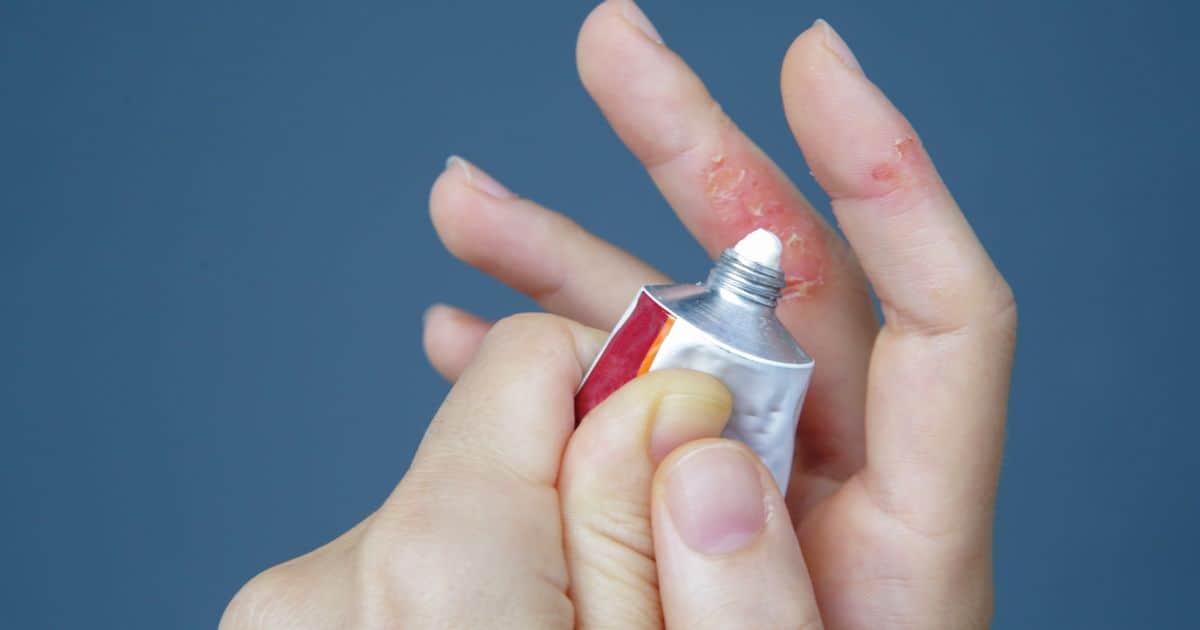
Struggling with atopic eczema? You’re certainly not alone — atopic dermatitis is one of the most common skin conditions, affecting children and adults alike. If you’ve tried everything under the sun with no luck, read on. We’re diving into what actually works for atopic eczema relief. Today might just be the day you find a way to ease that relentless itch.
When does atopic eczema appear?
Atopic eczema can appear at various stages of life. It most commonly affects infants (typically around the 2nd month) and older children, though adults are by no means an exception. Symptoms include redness, itching, rashes, and dry skin. The affected area may also weep and gradually start to peel. You’ll typically find atopic eczema on the face, hands, legs, or in skin folds.
Before we get into what helps with atopic eczema, have a read about how to recognise it for certain.
What makes atopic eczema worse?
To figure out what helps with atopic eczema, you first need to understand what makes it worse. The main factor in the development of atopic eczema is a weakened skin barrier and heightened immune sensitivity to certain substances — most often allergens. When the skin barrier is compromised, pathogenic microorganisms can penetrate your skin and trigger inflammation, which is exactly what causes eczema flare-ups.
Allergens can be found both in the air and in food. Atopic eczema is aggravated by exposure to pollen, dust mites, or cigarette smoke. People who are prone to or already suffering from atopic dermatitis may also react badly to eggs, soy, fish, milk, dairy products, tomatoes, citrus fruits, and certain nuts.

Bear in mind, though, that everyone is sensitive to different things — some of the allergens listed above may not worsen your eczema at all. If you haven’t already, visit a doctor or dermatologist who can identify the cause of your eczema and prescribe an appropriate treatment.
What helps with atopic eczema?
Beyond medical advice, there are several ways to ease the course of eczema. We know just how miserable it can be, so we’re more than happy to share what helps with atopic eczema on your hands, face, legs, back, and neck. Hopefully, at least one of these tips will make a real difference for you.
1) Moisturising affected areas
Treat your skin with creams or ointments specifically developed for people with atopic skin. Make sure they are fragrance-free and contain a high proportion of natural ingredients. Look for products labelled as emollients or probiotic creams and ointments.
Why should a cream be rich in both probiotics and prebiotics? Probiotics support the skin microbiome and the skin’s protective barrier. Prebiotics feed the beneficial bacteria on your skin, reinforcing the skin barrier and helping to fight off harmful bacteria.
You might also like: TOP 10: Best Creams for Atopic Eczema
The best time to apply cream is after bathing, on slightly damp skin. Moist skin absorbs nourishing ingredients far more effectively. At night, use a richer cream. During the day, opt for lighter formulations such as a body lotion so you don’t overheat and sweat.
TIP: Atopic Eczema on the Genitals: Causes and Treatment
2) Gentle bathing or showering
Another tip for atopic eczema relief is a careful approach to bathing or showering. A bath can bring considerable comfort — but only if you follow a few rules. The water should be lukewarm rather than hot, so it doesn’t further irritate already sensitive skin.
Don’t overlook how long you spend in the water either — keep it to just a few minutes. Use a gentle shower gel and shampoo. Once you’ve washed, get out and skip the long soak. You’ll find other ways to relax, we promise.
If your eczema is really flaring up, an oatmeal bath, agrimony bath, or Epsom salt soak may help.
Tip for the ladies: Use a fragrance-free solid cleansing bar for removing make-up.
3) Breathable clothing
You probably already know that sweat isn’t great for sensitive skin. The only clothing that truly helps with atopic eczema is made from breathable materials. One worth highlighting is nanomaterial, which you may have heard of. Nanomaterial clothing contains silver nanoparticles that have antibacterial properties, while the special fibre profile improves moisture and sweat wicking.
These days, women can choose from a wide range of styles and colours — not just t-shirts, but also dresses, roll-necks, hoodies, trousers, nightwear, and sportswear. A similarly broad selection is available for men, so atopic eczema doesn’t have to hold you back in the fashion department.
4) Special laundry detergents
Finding a gentle laundry detergent that won’t irritate eczema-prone skin can be tricky — especially if you don’t know much about how freshly washed fabric behaves against the body. The good news is that eco-friendly laundry products designed specifically for allergy and eczema sufferers are now available.
You can choose between laundry eggs or laundry strips. Whichever option you go for — or even both — your sensitive skin and your clothes will be well looked after.
Read about how eco-friendly washing with a laundry egg works.
5) Get rid of dust
Because eczema is often triggered by allergens you or your loved ones are exposed to — particularly at home — the solution is probably becoming clear. Minimise allergens. Dust is a priority, because that’s where dust mites live. Unfortunately, simply wiping surfaces isn’t enough.
After a thorough dusting, vacuuming, and mopping, it’s worth bringing in an air purifier to make all that effort truly count. An air purifier gives you real peace of mind that you’ve removed dust mites, pollen, bacteria, and viruses from your home. Purifiers with an activated carbon filter also absorb odours and gases.
Find out how to choose an air purifier HERE.
Dust isn’t the only place dust mites lurk. You might not even realise it, but huge numbers of them live in your bed. Invest in anti-dust-mite bedding and you can say goodbye to those unwanted guests for good. The nanofabric these covers are made from traps dust mites and their allergens with ease, preventing them from continuing their comfortable existence in your bed.
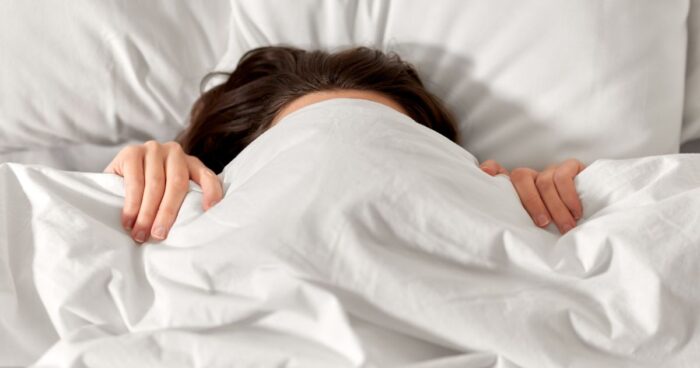
You might also like: How to properly care for anti-allergy bedding with nanofabric
6) Adjusted diet
Diet plays a significant role in the development of atopic eczema, too. While it’s impossible to compile a universal food list that applies to every eczema sufferer, there are a few well-established pointers we can’t resist sharing. Let’s look at what helps with atopic eczema — and what definitely doesn’t:
- Antioxidants – Foods rich in antioxidants, such as fruit and vegetables, help reduce inflammation in the body. Include blueberries, strawberries, spinach, broccoli, and carrots in your diet — all of which are packed with antioxidants.
- Omega-3 fatty acids – Fish oil and omega-3-rich foods like salmon, tuna, and flaxseed oil have anti-inflammatory properties and can help improve the condition of your skin.
- Probiotics – In some cases, eating probiotic-rich foods can help. Yoghurts and fermented foods support a healthy balance of gut flora, which in turn contributes to healthier-looking skin.
- Hydration – Drinking enough fluids — especially water — is essential. Keeping your skin hydrated from the inside is absolutely fundamental when you have atopic eczema.
- Avoid foods high in histamine – Some eczema sufferers are sensitive to high-histamine foods. These include fermented cheeses, tomatoes, and cured meats.
- Skip alcohol and spicy foods – Alcohol and spicy dishes can worsen inflammation in the body, which may take a toll on your skin. Steer clear of mustard, ketchup, and pickled vegetables.
It’s also a great idea to reach for dietary supplements that support immunity and healthy skin. Make sure you’re getting enough vitamin B and vitamin C, vitamin D, zinc, and omega-3 fatty acids.
TIP: A perfect summer treat might be this fruit salad.
7) Humid air
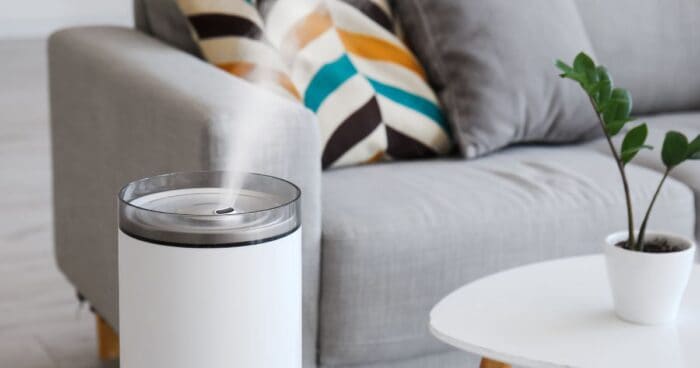
We’ve already mentioned how important it is to keep eczema-prone skin well hydrated. That makes overly dry indoor air the enemy — especially in the room where an eczema sufferer spends most of their time. Dry air dries out mucous membranes and skin alike, which only makes eczema worse.
This is where a humidifier becomes a key tool for atopic eczema relief. Start by measuring the humidity in your room with a hygrometer. If the reading drops below 50 %, it’s time to bring in the humidifier. If you’d rather not buy a separate air purifier and humidifier, you can get a two-in-one unit that does both jobs equally well.
What helps with atopic eczema in children?
When it comes to children, it’s especially important to seek medical help — but you probably already know that. Combine the treatment recommended by your doctor with the tips you’ve just read. Children also benefit enormously from emotional support and patience on your part.
Learn more here.
How to get rid of atopic eczema
If you want to get rid of atopic eczema completely, the only real answer is prevention. We should point out, however, that not everyone is lucky enough to eliminate atopic eczema from their life for good. If genetics or immune system disorders are behind your eczema, be prepared for the fact that dermatitis won’t give up easily. That said, it’s no reason to neglect prevention. Preventive measures include:
- Regular ventilation and keeping your home clean,
- reducing smoking exposure, including passive smoking,
- adjusting your diet,
- seaside holidays (ideally a two-week trip to the sea, as sea water has a beneficial effect on atopic skin),
- using natural sunscreens,
- limiting sun exposure around midday,
- keeping nails trimmed (to prevent scratching and the risk of infection),
- getting enough sleep,
- managing stress.
By following these guidelines, you can significantly reduce the problems associated with atopic eczema, achieve healthier skin, and possibly even get rid of atopic eczema altogether.
You might also like: What are the symptoms of cold allergy?
Frequently asked questions
How to calm atopic eczema?
The foundation is applying creams formulated for atopic skin to the affected areas. A gentle bath or shower also helps — the water should be lukewarm, not hot, and you should use a shower gel and shampoo designed for eczema sufferers. Don’t forget to wear breathable clothing, wash with a gentle detergent, purify and humidify the air in your room, and cut out trigger foods from your diet.
What not to eat with atopic eczema?
If you suffer from atopic eczema, you should avoid eggs, soy, most types of fish, milk, dairy products, tomatoes, citrus fruits, certain nuts, and spicy foods.
What laundry detergent for atopic eczema?
Wash your clothes with a detergent that’s gentle enough for atopic eczema. These products are specially developed for eczema sufferers. As well as being kind to sensitive skin, they’re also gentle on your clothes.
Can I get rid of atopic eczema permanently?
Children in particular often outgrow atopic eczema during adolescence. It largely depends on the underlying cause — some people manage to get rid of it in adulthood, while others deal with atopic eczema throughout their lives.
What cream for atopic eczema?
A cream that helps with atopic eczema should contain a high proportion of probiotics and prebiotics. It should be made from as many natural ingredients as possible and be fragrance-free.