
If you’re struggling with a blocked nose or one that just won’t stop running, nasal drops are probably the first thing you reach for. The market is flooded with products, and picking the best nasal drops that actually work isn’t always straightforward. That’s why we’ve put together this guide — to explain how nasal drops work and how to choose the right ones for you.
Types of nasal drops
There are several types of nasal drops available, and not all of them are suitable for every cause of a runny nose. Here’s a breakdown:
- Vasoconstrictive drops – These nasal drops or sprays contain active ingredients that constrict blood vessels and reduce swelling of the nasal mucosa. They’re used to treat symptoms of both colds and allergies.
- Allergy nasal drops – Allergy nasal sprays contain substances that counteract allergic reactions and reduce allergy-related swelling. These products may include antihistamines or corticosteroids.
- Moisturising drops – Moisturising nasal drops keep the nasal mucosa hydrated, combating dryness. They may contain saline solution or other hydrating ingredients.
- Antibiotic nasal drops – These are designed to treat bacterial infections in the nose. They contain antibiotics or antiseptics. In the Czech Republic, antibiotic nasal drops are not available without a prescription.
- Homeopathic drops – Homeopathic nasal drops represent an alternative form of treatment for a runny nose. These preparations consist of highly diluted, so-called potentised substances.
- Natural nasal drops – Natural nasal drops are products made from natural and herbal ingredients, formulated to support the health of the nasal mucosa and relieve symptoms of a runny nose.

How do nasal drops work?
Whichever type of nasal drops you choose, they all share a common goal: reducing swelling of the nasal mucosa. Beyond that, their effects vary. Depending on the type, they can help dissolve mucus, clear allergens from the nasal lining, moisturise it, and support its regeneration.
How to choose nasal drops?
You need to choose nasal drops based on the underlying cause of your symptoms. If you’re having trouble telling the difference between a viral and allergic runny nose, try a home allergy test. A visit to your doctor is never a bad idea either. Once you know the cause, make sure to take your age and overall health into account when shopping.
TIP: What’s the difference between a cold and an allergy?
Why choose natural nasal drops?
We recommend exploring natural products first. With chemical-based products, failing to follow dosage instructions correctly could lead to problems far worse than a runny nose. Here are a few more reasons to opt for natural nasal drops:
- Gentle on the mucosa – Natural nasal drops contain milder, gentler ingredients — especially appreciated by people with a sensitive nasal lining.
- Low chemical content – Natural drops contain minimal or zero chemical substances.
- Fewer side effects – Compared to some synthetic medications, natural nasal sprays carry a lower risk of side effects.
- Support for natural hydration – Most naturally-based products contain ingredients that help maintain the nasal mucosa’s natural moisture levels. This is particularly important during allergy season.
- Ideal for fans of alternative medicine – If you prefer alternative approaches to treatment, you can use chemical-free natural products with a clear conscience.
- Overall health support – Some products contain natural ingredients that offer additional benefits, such as antioxidant or anti-inflammatory properties.
Read more: Natural nasal drops: The protection you need
Which nasal drops are the best?
We’ve compiled a list of the 4 best nasal drops. Alongside product ingredients, we also looked at user reviews from people who’ve already tried them. We’re confident you’ll find your favourite among these picks.
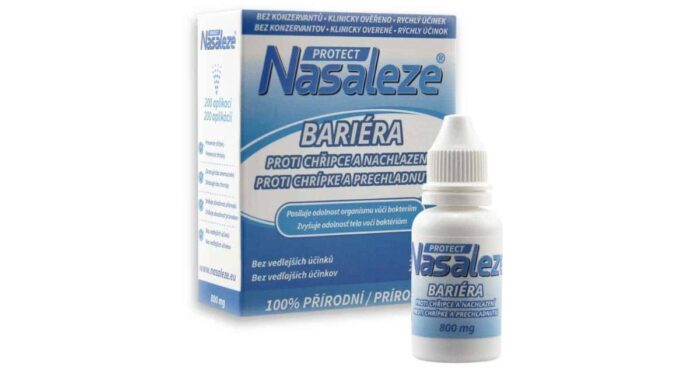
1) Nasal barrier spray – Nasaleze Protect 800 mg
Nasaleze Protect 800 mg is a natural powder spray that forms a protective gel layer on the nasal mucosa, shielding it from allergens, viruses, bacteria, harmful substances, and pollen. The product is completely chemical-free, 100% natural, clinically proven, provides near-instant relief, and causes no side effects. This makes it suitable for pregnant and breastfeeding women as well as children aged 3 and over.
Users also value the fact that it can be used long-term as a preventive measure against colds — without any risk. Nasaleze Protect 800 mg ranks among the most effective nasal sprays available. The only downside customers mention is the price, which is slightly higher than other nasal drops.
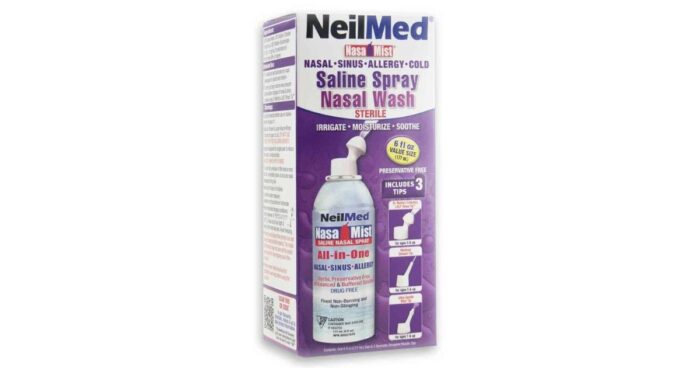
2) NasaMist nasal spray 177 ml
NasaMist nasal spray 177 ml is an effective product designed to relieve allergic rhinitis, allergic asthma, post-nasal drip, sinus pressure, nasal congestion, and other issues affecting the nasal cavity. The pack includes a 177 ml bottle with three specially designed nozzles for both children and adults.
Beyond the generous family-size packaging, users praise the effectiveness of its natural formulation, which helps manage unpleasant symptoms — especially for allergy sufferers. Thanks to the high number of units sold annually, NasaMist 177 ml ranks among the best nasal drops for allergies on the global market.
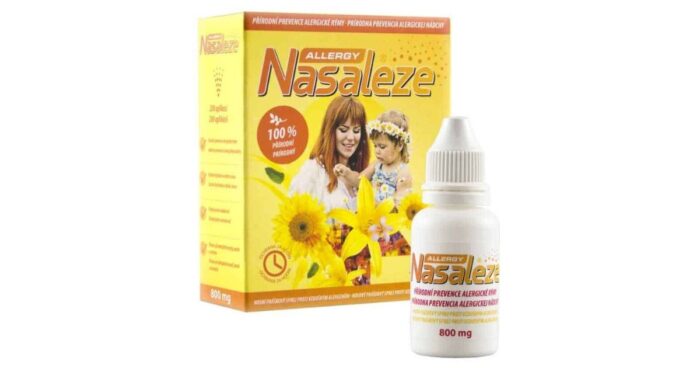
3) Nasal barrier spray – Nasaleze Allergy 800 mg
Nasaleze Allergy 800 mg nasal barrier spray is an innovative natural powder spray containing hydroxypropyl methylcellulose. This substance reacts with the moist nasal mucosa, forming a protective gel layer that acts as a colourless, thin filter — effectively trapping inhaled harmful substances, allergens, and microorganisms.
If you’re looking for truly reliable nasal drops for children, Nasaleze Allergy 800 mg is an excellent choice. It’s suitable for children from 18 months of age. The product isn’t just for young allergy sufferers — it’s equally suitable for adults, including pregnant and breastfeeding women. Users recommend applying the spray after sneezing and blowing your nose to maintain the barrier’s effectiveness.
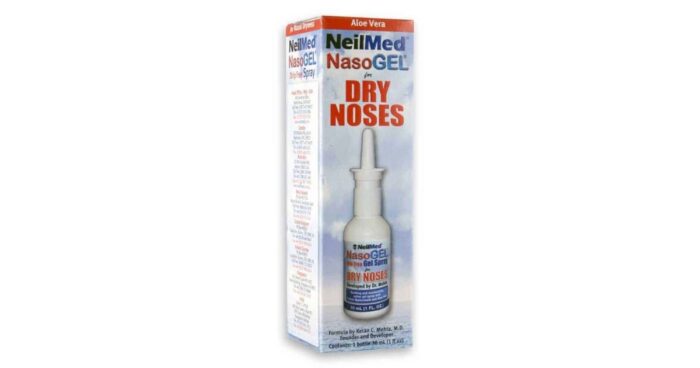
4) NasoGEL moisturising nasal spray 30 ml
NasoGEL moisturising nasal spray 30 ml is an innovative product that combines hyaluronic acid and aloe vera to deliver deep hydration to the nasal cavity. This combination provides fast relief from a blocked nose while also supporting the regeneration and hydration of the mucosa. You can also use the spray as a preventive measure against flu and colds.
Customers give high marks not only for its moisturising effects but also for its natural ingredients and easy, comfortable application. The product is well suited for long-term use.
Find out more about nasal sprays HERE.
How to use nasal drops
Using nasal drops is straightforward, but there are a few things to keep in mind. Start by washing your hands thoroughly to prevent transferring bacteria. If your nose is full, blow it first. Blowing your nose after applying the drops will reduce their effectiveness.
Before using any nasal spray, always read the manufacturer’s leaflet — different products may have different instructions. Open the bottle and check that the applicator is clean. Then tilt your head back and apply the drops according to the instructions. Hold your breath briefly after application so the drops spread evenly throughout the nasal cavity. Stay in the tilted position for about a minute to allow the drops to be fully absorbed.
Never exceed the recommended dosage. If you have any concerns or questions, it’s always best to consult a doctor who can adjust the dosage to suit your health needs.
You might also be interested in: Nasal irrigation
Frequently asked questions
What is the best remedy for a runny nose?
For a runny nose, saline nasal drops are generally recommended. They help moisturise the nasal mucosa and thin out mucus, making it easier to clear. Antihistamines are another option and can be particularly helpful for allergic rhinitis.
Which drops work best for a blocked nose?
Decongestant nasal drops containing oxymetazoline or xylometazoline are the most effective for a blocked nose. These substances constrict blood vessels and reduce swelling, improving airflow through the nasal passages. However, failing to follow the recommended dosage can lead to side effects, so it’s better to use natural nasal drops, which carry no such risk.
What are the best nasal drops for children?
There’s a wide range of children’s nasal drops on the market that help with both colds and allergies. Popular choices include Nasaleze Protect 800 mg, NasaMist 177 ml, Nasaleze Allergy 800 mg and NasoGEL 30 ml. Always check the packaging or patient leaflet to see from what age the product is suitable.
How do you apply nasal drops?
Before applying nasal drops, wash your hands thoroughly. Tilt your head slightly back, insert the applicator into your nostril, and apply the prescribed number of drops as directed by the manufacturer or your doctor. After application, stay in the tilted position for a moment and hold your breath briefly.
How to unblock your nose without a spray?
If you’d rather not use a nasal spray, try steam inhalation, drink plenty of fluids, and consider using a humidifier with an air purifier.