
If you or someone close to you suffers from allergies, you’ve probably come across the word histamine before. But do you know what histamine intolerance actually means? In this article, we’ll explain what’s behind this condition, how it develops, and what histamine intolerance symptoms look like — so you don’t confuse it with an allergy.
What is histamine intolerance?
Histamine intolerance is a condition in which the body cannot properly process histamine. In other words, it’s a hypersensitivity to histamine. Histamine is a chemical that plays an important role in various bodily functions, including sleep regulation, immune responses, and digestion. The human body naturally produces histamine and also takes it in from food.
It’s important to understand that this is a form of food intolerance — it’s not the same as a digestive disorder or a food allergy. Histamine intolerance is a reaction to excessive levels of histamine in the body, and it is not triggered by the immune system. With an allergy, on the other hand, excessive histamine production is the immune system’s response to a specific allergen.
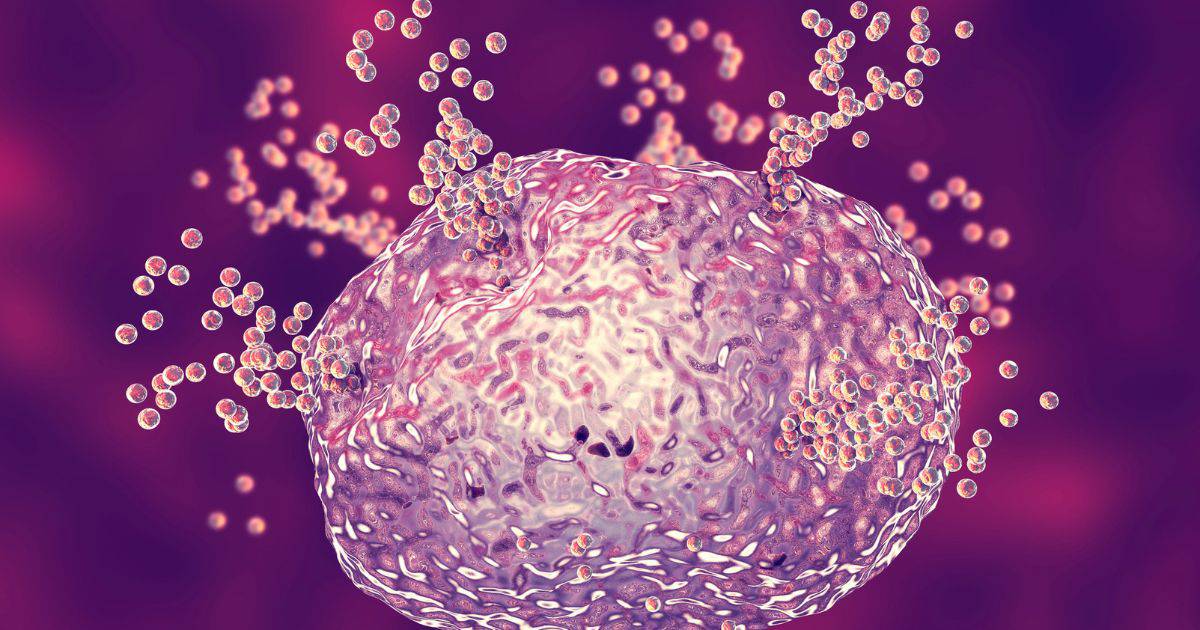
What intolerance and allergy do have in common is this: too much histamine doesn’t do the body any good, leading to unpleasant symptoms. In the case of intolerance, however, these symptoms tend to be much milder.
Read more: What is food intolerance and how can you manage it?
How does histamine intolerance develop?
The body fails to break down histamine properly due to insufficient activity of the enzyme diamine oxidase (DAO) in the gut, which is responsible for breaking down histamine released from food. When DAO doesn’t work as it should, histamine builds up in the bloodstream and triggers unpleasant symptoms.
Poor DAO function can be caused by genetic predisposition, stress, a poor diet, or medications that negatively affect this enzyme. Other contributing factors include gluten intolerance, leaky gut syndrome, alcohol, and Crohn’s disease.
You might also be interested in: Gluten allergy
This intolerance affects a relatively small proportion of the population. It’s more pronounced in middle-aged individuals and more common in women than men, with histamine sensitivity increasing particularly before menstruation.
Histamine intolerance in children
Histamine intolerance can also occur in children, though it’s even rarer than in adults. When it does develop in children, it presents with the same symptoms as in adult patients.
Histamine intolerance symptoms
The number and severity of symptoms varies from person to person. As mentioned above, they’re usually milder than what you’d experience with a true allergy. However, the similarity to allergic reactions makes histamine intolerance tricky to identify. Common histamine intolerance symptoms include:
- Digestive issues (bloating, diarrhoea, or constipation),
- headaches and migraines,
- itching, rashes, or hives,
- fatigue and drowsiness,
- runny nose, sneezing,
- insomnia or sleep disturbances,
- muscle and joint pain,
- anxiety or nervousness,
- worsening of menstrual symptoms.
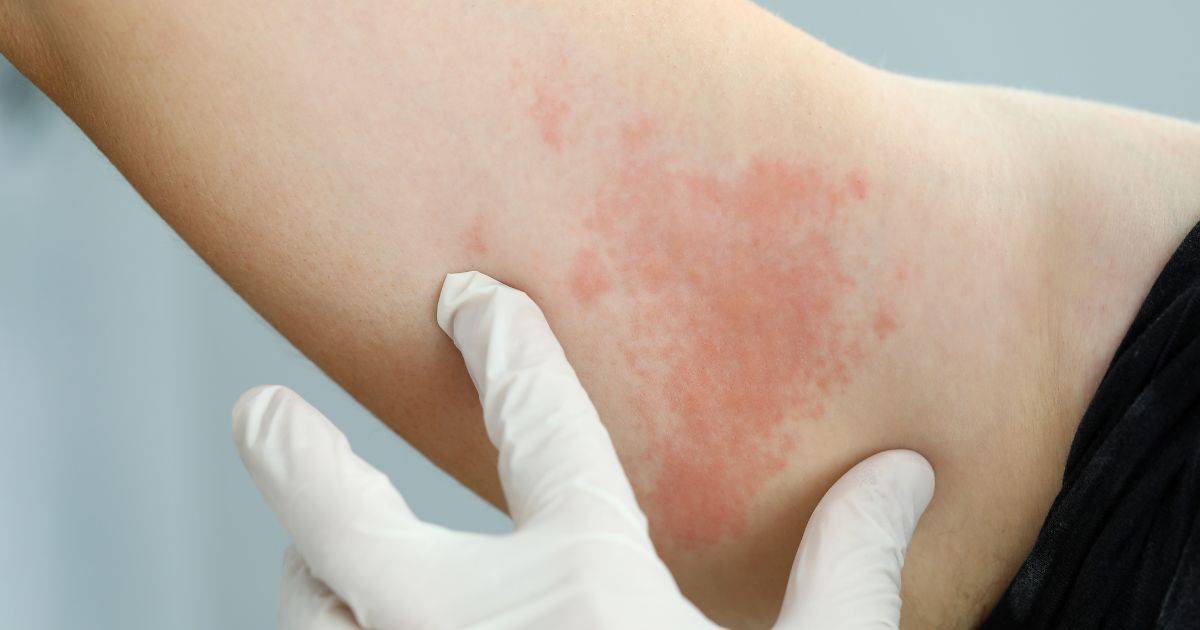
Histamine intolerance symptoms typically appear quickly — within an hour or even just a few minutes. However, when they’re delayed, it can be very difficult to pinpoint the cause, and histamine intolerance is often mistaken for other conditions.
How is histamine intolerance diagnosed?
Diagnosing histamine intolerance starts with a thorough medical history. Based on the symptoms the patient describes, family history, dietary habits, and other relevant information, the doctor carries out further tests and investigations. These may include a blood count with eosinophil levels, measurement of total IgE (allergic antibodies), or laboratory assessment of DAO enzyme activity in the blood serum or intestinal mucosa. The results help the doctor rule out allergy, lactose intolerance, coeliac disease, or Crohn’s disease.
TIP: At home, you can help rule out allergy with a RAPID TEST.
Treatment for histamine intolerance
Treating histamine intolerance requires consultation with a specialist who will develop a treatment plan tailored to your specific triggers — because these differ from person to person. Here are the main approaches that can help:
- Antihistamines – These are medications that help reduce the effects of histamine in the body, easing symptoms such as itching, rashes, or digestive problems.
- Dietary changes – If your doctor confirms histamine intolerance, you’ll need to limit foods high in histamine, including cured meats, fermented foods, cheese, and alcoholic drinks.
- Vitamin and mineral supplementation – It’s important to get vitamins and minerals that support immune function and minimise the risk of inflammation. Good options include vitamin C, magnesium, zinc, copper, and manganese.
- Probiotics – Taking probiotics helps stimulate healthy gut flora and supports digestion.
- DAO enzyme supplements – There are dietary supplements containing the enzyme diamine oxidase (DAO), which helps break down histamine in the body and lower its levels in the blood.
- Hydration – Drinking enough fluids, especially water, helps flush out toxins and keeps the body well hydrated.
- Natural cosmetics – Last but not least, switching to natural cosmetics is recommended. Chemical ingredients can irritate sensitive skin and worsen histamine intolerance symptoms.

Read more: How to recognise a cosmetics allergy.
What can you eat with histamine intolerance?
If you have histamine intolerance, it makes sense to choose foods lower in histamine and avoid those with high levels. That said, accidentally eating something higher in histamine won’t cause the kind of serious reaction you’d see with a food allergy. Below is a list of recommended foods for people with histamine intolerance:
- Fresh meat – Beef, pork, poultry, and fish are generally safe choices, but they should be fresh.
- Fresh fruit and vegetables – You can enjoy most fresh fruit and vegetables, especially apples, pears, broccoli, carrots, cucumbers, cabbage, spinach, and pumpkin.
- White bread – White bread contains only small amounts of histamine.
- Some dairy products – Fresh milk, soured cream, and certain hard cheeses with lower histamine content are fine.
- Some grains – Rice, oats, corn, and quinoa are generally well tolerated.
- Plant-based milk – Almond, rice, or coconut milk makes a good alternative to regular dairy milk.
You might also be interested in: How does a meat allergy present and what can you do about it?
Frequently asked questions
What is histamine?
Histamine is a hormone and neurotransmitter that occurs naturally in the human body. It influences the immune system, digestive system, and nervous system. It’s the substance that’s released in excessive amounts during an allergic reaction, causing unpleasant symptoms to develop.
Which foods are highest in histamine?
Foods high in histamine include cured meats, fermented foods (such as cheese and sauerkraut), alcoholic drinks (especially wine and beer), fish, tomatoes, avocado, spinach, and certain fruits (e.g. citrus fruits).
How do you get rid of histamine intolerance?
Treating histamine intolerance requires an individual approach. The foundation of treatment involves eliminating high-histamine foods from your diet, taking antihistamines, supplementing with vitamins, minerals, probiotics, and DAO enzyme. It’s also important to minimise stress and ensure you get enough sleep.
What does excess histamine cause?
Excessive histamine in the body triggers unpleasant symptoms such as digestive issues (bloating, diarrhoea, or constipation), headaches and migraines, itching, rashes or hives, fatigue, runny nose, and sneezing.
How can you check histamine levels?
Histamine levels are measured through laboratory tests that assess the concentration of histamine in the blood or urine.
How long does histamine intolerance last?
The duration of histamine intolerance varies from person to person, depending on the severity of symptoms and the effectiveness of treatment. Some people may deal with it long-term, while others find it resolves completely after adjusting their diet and lifestyle.
When is histamine released?
Histamine can be released into the bloodstream during allergic reactions, stress, excessive consumption of high-histamine foods, or heavy alcohol use.
What bread is safe with histamine intolerance?
People with confirmed histamine intolerance are advised to eat white bread, which contains lower levels of histamine. Avoid bread with fillings or toppings, as these may contain higher amounts of histamine.