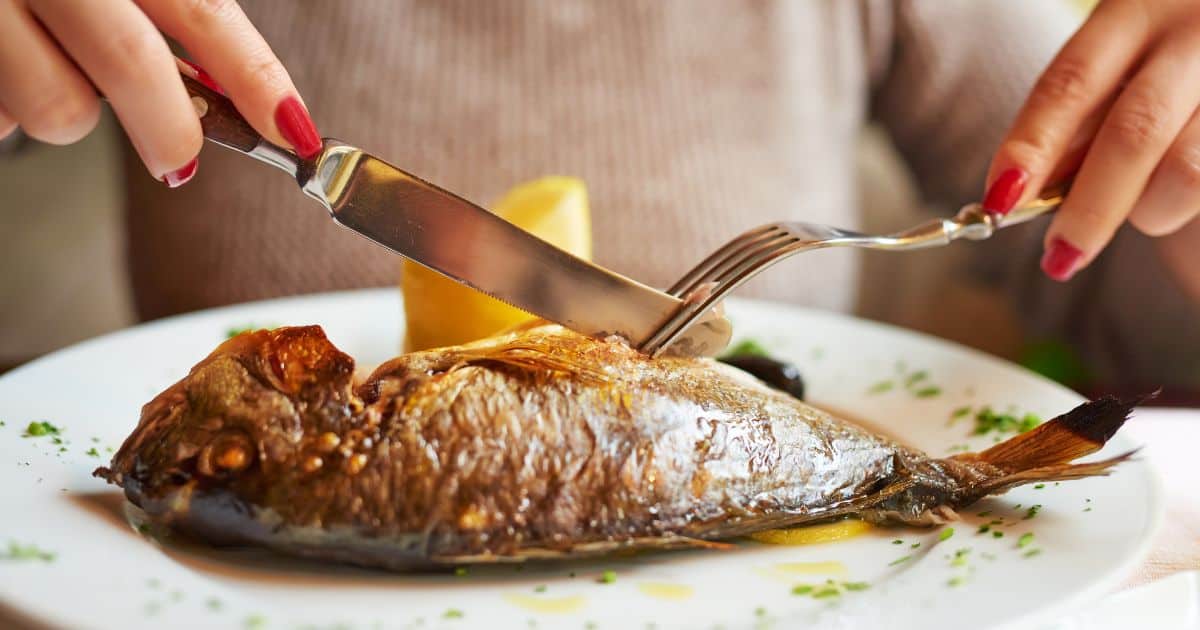
Fish allergy is one of the less common food allergies, but that arguably makes it all the more dangerous. When I first encountered it in someone close to me, I was struck by how little people know about it — and how many myths surround it. It’s not simply a matter of “skipping the fish course at Christmas dinner.” It’s a lifelong commitment that demands constant vigilance every time you shop for groceries or eat out. In this updated 2026 guide, we’ll cover everything you need to know — from the main culprit called parvalbumin, through the differences between fish and shellfish allergies, to how to tell whether you’re dealing with a true allergy or food poisoning.
TL;DR
- Fish allergy is a reaction to the protein parvalbumin — not to “fishiness” as such.
- Cooking methods (boiling, frying, smoking) do not destroy this allergen, so reactions can occur even after eating fully cooked fish.
- If you react to one species of bony fish (e.g. carp), there’s a greater than 90% chance you’ll react to others too (salmon, cod, etc.).
- Fish allergy, crustacean allergy (prawns, crabs), and mollusc allergy (mussels) are three separate allergies involving different proteins.
- Allergy-like symptoms can also be caused by scombroid poisoning from improperly stored fish — typically tuna or mackerel.
What do fish contain? (And what don’t we want)
Fish are rightly regarded as a nutritional treasure. The exact composition varies from species to species, but on the whole they’re a fantastic source of a wide range of beneficial nutrients.
High-quality protein and omega-3 fatty acids
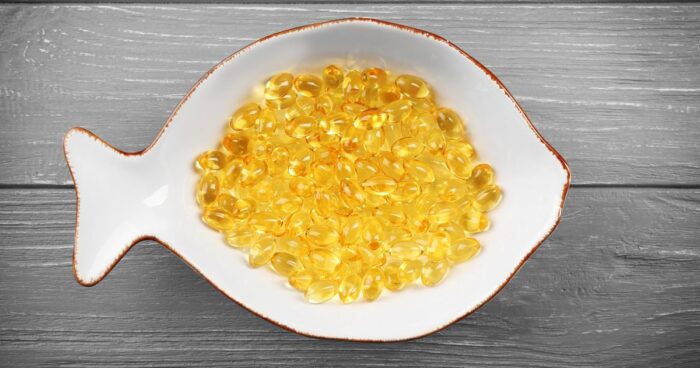
Fish is packed with easily digestible protein — an essential building block for our bodies. The real draw, though, are the omega-3 fatty acids, particularly EPA and DHA. These fats are vital for heart health, proper brain function, and eye health.
Vitamins and minerals
Fish also supplies plenty of vitamins, most notably vitamin D (important for bones and immunity) and B12 (for the nervous system). On the mineral front, there’s iodine — crucial for thyroid function — and selenium, a powerful antioxidant that protects cells from damage.
Risk of contaminants
Unfortunately, environmental pollution means harmful substances can accumulate in fish. The main concerns are heavy metals such as mercury, which can damage the nervous system at higher doses, and polychlorinated biphenyls (PCBs) — industrial chemicals with potentially carcinogenic effects. That’s why it’s a good idea to pay attention to where your fish comes from and to rotate between different species.
TIP: Food allergy and the most common food allergens
What is fish allergy?
Fish allergy isn’t a reaction to the contaminants mentioned above. Instead, it’s an immune response to specific proteins found in fish meat. The immune system mistakenly identifies these proteins as a threat and launches a defensive reaction, leading to symptoms that range from unpleasant to life-threatening. The reaction can strike immediately after eating, but sometimes it takes several hours to appear.
In children, spotting a fish allergy can be trickier because they can’t always describe what they’re feeling. It often shows up primarily as skin symptoms (hives, eczema) and digestive problems. If you suspect your child might have a fish allergy, it’s essential to discuss it with a paediatrician or paediatric allergist as soon as possible.
Read about the most common allergies in children.
Parvalbumin — the allergen in all fish
The main culprit behind fish allergy is a protein called parvalbumin. This protein is found in the muscle tissue of bony fish, and according to research, more than 95% of people with fish allergy react to it (Research PMC9858982, 2023). It is therefore the primary panallergen — an allergen shared across the entire group.
What makes parvalbumin so treacherous comes down to two key properties:
- It’s extremely heat-stable. Boiling, frying, baking, and smoking won’t destroy it. Someone with a fish allergy will react to fish soup just the same as to a grilled salmon fillet.
- It resists digestive enzymes. It passes through the stomach intact and triggers an allergic reaction in the small intestine.
It’s precisely because of parvalbumin that there’s enormous cross-reactivity between different fish species. If you have a confirmed salmon allergy, it’s almost certain you’ll also react to cod, carp, trout, mackerel, herring, and most other common fish. Gambles like “I’ll probably be fine with plaice” are extremely dangerous and can end in anaphylactic shock.
There are some exceptions — for instance, tuna allergy is sometimes less common because tuna (like swordfish) contains slightly lower levels of parvalbumin. Some allergic individuals tolerate it in small amounts. Relying on that, however, is a gamble. Phrases like “it’s just tuna, I can handle it” can have fatal consequences. Always leave diagnosis and any tolerance testing to an experienced allergist.
Fish vs. crustaceans vs. molluscs — three separate allergies
I often come across people who lump all “sea creatures” together. But the term “seafood allergy” is actually very imprecise. In reality, we’re talking about three separate allergies to entirely different proteins. Having a fish allergy doesn’t necessarily mean you’ll react to prawns.
The difference lies in the main allergen that triggers the reaction. Here’s a clear overview:
| Group | Examples | Main allergen | Cross-reactivity |
|---|---|---|---|
| Fish (bony) | Salmon, cod, carp, tuna | Parvalbumin (e.g. Gad c 1 in cod) | Very high (over 90%) within the group. |
| Crustaceans | Prawns, lobster, crab, crayfish | Tropomyosin (e.g. Pen a 1 in prawns) | High (approx. 75%) within the group. Those who react to prawns often react to crab too. |
| Molluscs | Mussels, oysters, octopus, squid | Tropomyosin and others (e.g. amylase) | Variable, but often high within the group. |
As you can see, tropomyosin in crustaceans and molluscs is a different protein from parvalbumin in fish. Prawn allergy and cod allergy are therefore two distinct diagnoses. That said, it’s entirely possible to be unlucky enough to be allergic to more than one group at the same time.
An interesting fact: crustacean tropomyosin is structurally similar to the tropomyosin found in house dust mites (allergen Der p 10) and cockroaches. This phenomenon is known as “seafood-mite-cockroach syndrome” and can mean that someone with a strong dust mite allergy experiences an unexpectedly severe reaction the very first time they eat prawns.
Histamine pseudoallergy from fish (scombroid poisoning)
Sometimes you might experience symptoms after eating fish that are indistinguishable from a real allergy — yet it isn’t an allergy at all. It could be what’s known as scombroid poisoning, a form of food poisoning.
It occurs in fish that weren’t properly and rapidly chilled after being caught. The species most commonly involved are those with dark flesh, such as tuna, mackerel, sardines, and anchovies. Bacteria present on the fish start converting the amino acid histidine (which is abundant in these species) into histamine. A single kilogram of improperly stored fish can contain more than 100 mg of histamine.
When you eat such fish, your body is flooded with a massive amount of histamine, triggering symptoms identical to an allergic reaction:
- Flushing of the face and neck
- Headache, pounding heartbeat
- Hives, itching
- Nausea, stomach cramps, diarrhoea
So how do you tell the difference? A key clue is that scombroid poisoning isn’t an individual reaction. If several people ate the same meal and most of them have symptoms, it’s almost certainly poisoning rather than an allergy. An allergy is a problem with one person’s immune system, whereas spoiled fish will affect everyone who eats it.
Fish allergy symptoms
The symptoms of fish allergy can range in severity from mild to life-threatening. It’s important not to dismiss them, even if they initially seem trivial. Symptoms can be grouped into several categories.
Skin reactions
The most common way fish allergy manifests is on the skin. You may notice itching, redness, a rash, or classic hives. Swelling is also common, especially around the face — the eyes, lips, or tongue (known as angioedema).
Respiratory symptoms
An allergic reaction can also affect the airways. This may include a runny nose, nasal congestion, sneezing, coughing, a scratchy throat, shortness of breath, or wheezing.
Digestive problems
Gastrointestinal symptoms are also common — nausea, vomiting, abdominal pain, or diarrhoea.
Systemic and severe symptoms (anaphylaxis)
In the worst-case scenario, fish allergy can lead to anaphylaxis. This is a serious, systemic reaction affecting multiple organ systems simultaneously. It presents as a combination of the symptoms listed above, plus a drop in blood pressure, dizziness, rapid pulse, confusion, and can ultimately result in loss of consciousness. Anaphylaxis is a life-threatening emergency requiring immediate administration of adrenaline and a call to emergency services.

Read more about how to tell if you have an allergy.
Diagnosing fish allergy
If you suspect you have a fish allergy, it’s absolutely crucial not to experiment on your own — see an allergist. Proper diagnosis is the foundation of staying safe. The doctor will first take your medical history: what you ate, what symptoms appeared, and how quickly they developed.
Two methods are most commonly used to confirm the diagnosis:
- Skin prick tests: Drops of extracts from various fish species are placed on the skin of your forearm and the skin is gently pricked. If you’re allergic, a raised, itchy bump — similar to a mosquito bite — will appear at the test site within 15–20 minutes.
- Blood tests (specific IgE): A blood sample is used to measure the level of specific IgE antibodies against fish proteins, particularly parvalbumin. Modern component-resolved diagnostics can pinpoint exactly which protein you react to, helping to assess your risk and cross-reactivity profile.
In unclear cases, the doctor may also carry out an oral food challenge, in which you gradually consume small amounts of fish under strict medical supervision. This test is only performed in a hospital setting where an immediate response can be provided if a reaction occurs.
Treatment and prevention of fish allergy
The fundamental — and only truly effective — measure is lifelong, 100% elimination of fish and fish-derived products from your diet. Unfortunately, this demands constant vigilance.
You’ll need to learn to read food labels carefully. Fish can hide in places you’d never expect — in condiments (Worcestershire sauce), salad dressings, Asian sauces (fish sauce), or certain spreads. Under EU legislation, fish is one of the 14 major allergens that must always be highlighted in bold on packaging.

For treating acute symptoms, your doctor may prescribe:
Antihistamines
These help relieve mild symptoms such as itching and hives.
Adrenaline auto-injector (pen)
Anyone who has experienced a systemic reaction, or who is at risk of anaphylaxis, must carry an emergency kit — the centrepiece of which is an adrenaline pen (e.g. EpiPen). It’s vital to know how to use it in an emergency.
To make up for the omega-3 fatty acids and vitamin D you’ll be missing out on, look for alternative sources. Excellent options include flaxseeds and chia seeds, walnuts, or algae oil supplements.
You might also be interested in: How does a nut allergy manifest and what should you do about it?
🐟 First aid and diagnosis
At the first suspicion of a fish allergy, book an appointment with an allergist — ideally for SPT + component-resolved diagnostics. For a rough initial indication at home, a nanoSPACE home allergy test can provide a first signal. During the elimination phase, immune-supporting supplements can help.
📖 You might also enjoy
Conclusion
Living with a fish allergy isn’t easy, but with the right information and approach, it can be managed safely. The most important thing is to understand that this isn’t just a sensitivity — it’s a serious immune reaction to the protein parvalbumin, which is highly cross-reactive and resistant to heat. It’s equally important to distinguish between fish allergy and crustacean or mollusc allergy — these are three separate conditions.
If you or someone close to you notices any suspicious symptoms after eating fish, don’t wait and don’t try to figure it out on your own. Make a note of what was eaten and what symptoms appeared, then book an allergy appointment as soon as possible. Only a professional evaluation can give you certainty and a clear plan for staying safe — including a prescription for an emergency kit in case of a severe reaction.
Frequently asked questions
How to avoid fish in a restaurant?
Always inform your server about your allergy as soon as you order. Ask thorough questions about the ingredients in dishes, including sauces and dressings. Be cautious about possible cross-contamination — fish may have been fried in the same oil or grilled on the same rack as your “safe” meal.
Can I eat tinned tuna if I have a fish allergy?
Generally, no. Even though tuna contains slightly less allergenic parvalbumin than other fish, it still poses a high risk. Some allergic individuals tolerate it under medical supervision after testing, but without professional oversight it’s an unacceptable gamble.
Can you outgrow a fish allergy?
Unfortunately, only very rarely. Unlike milk and egg allergies, which children often outgrow, fish and seafood allergies tend to be lifelong in the majority of cases. The chances of “growing out of it” are low.
Do I need to avoid cod liver oil?
Highly refined fish oils should theoretically be safe because the refining process removes most proteins. However, a risk of residual allergen remains. Always consult your allergist before taking any fish-derived supplements.
Are caviar and fish roe safe?
Definitely not. Caviar and roe contain fish proteins — particularly a protein called vitellogenin — and can trigger reactions just as severe as, or even more severe than, fish meat itself. They must be strictly avoided.