
If your eyes won’t stop itching, you’re probably desperate for some relief. But first, we need to figure out what’s causing the itchy eyes in the first place. More often than not, the culprit is an allergy. In this article, we’ll walk through all the common triggers of itchy eyes from allergies and explore what you can do to finally get some peace. I know how exhausting it is — I’ve been through it myself.
TL;DR
- Itchy eyes from allergies are the most common cause, but dry eye syndrome and infections need to be ruled out too.
- Beyond itching, allergies can cause redness, watering, and swollen eyelids. Rubbing your eyes only makes things worse.
- For immediate relief, try a cold compress or rinse your eyes with saline solution.
- Modern over-the-counter eye drops for itchy eyes (containing olopatadine or ketotifen) combine fast relief with a preventive effect.
- If symptoms persist or come back every season, it’s time to see an allergist who can set up a more comprehensive treatment plan.

Why are my eyes itchy?
There are several possible reasons behind itchy eyes. Identifying the right one is crucial because it determines the best course of treatment and relief. Let’s look at the most common causes.
Allergic reaction
This is culprit number one. An allergic reaction to pollen, dust and dust mites, pet allergens (cats or dogs), or mould triggers histamine release in the body. Histamine then irritates nerve endings in the conjunctiva, leading to intense itching. It’s often accompanied by redness and watering too.
Dry eye syndrome
When your eyes aren’t adequately lubricated, the result is irritation and a gritty or itchy sensation. This isn’t just an issue for older people — it’s increasingly common among younger generations thanks to long hours spent staring at computer and phone screens. A helpful tip: try specialised eye drops for dry eyes.
Infections and inflammation
Bacterial or viral infections such as conjunctivitis are another common cause of itchy, red eyes. Unlike allergies, infections often come with a purulent discharge, especially in the morning.
Foreign body in the eye
Itching can also be caused by mechanical irritation — say, an eyelash, a speck of dust, or a grain of sand falling into your eye. If it’s a metal particle or the irritation won’t go away, seek medical help. When it comes to itchy eyes from allergies, this is doubly important to rule out.
You might also like: Types of allergies and their symptoms
Eye allergies: How to recognise them?
Allergies can affect many parts of the body, but the eyes are especially vulnerable. The most common allergens that trigger itchy eyes include pollen, dust, mould, and pet dander. These allergens land on the moist conjunctiva of the eye, where they trigger an immune response.
Symptoms of itchy eyes from allergies
Allergic itchy eyes don’t just mean itching alone — they typically come with a whole range of accompanying symptoms. These include heavy watering, redness of the white of the eye and the surrounding skin, swelling, and a burning sensation. Allergic eyelid itching is also common. Unlike an infection, there’s no purulent discharge. If you also have a blocked nose and sneezing on top of that, the diagnosis of allergic rhinoconjunctivitis is almost certain.
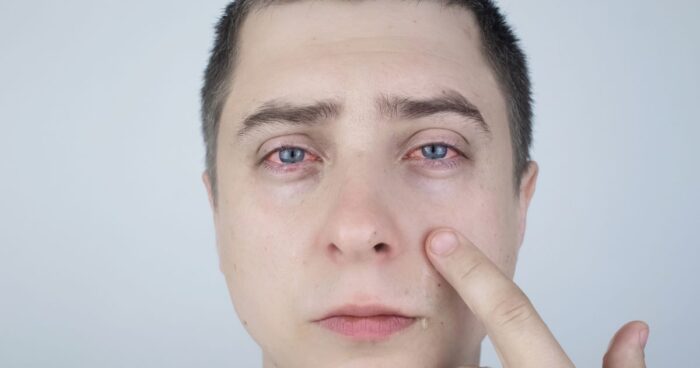
If any of these symptoms are bothering you, it’s worth seeing a doctor who can recommend the right treatment. Before your appointment, though, you can try an at-home allergy test to get a clue about which allergen might be behind the burning and itching around your eyes.
TIP: How do I know if I have an allergy?
Home remedies — cold compresses, rinsing
Before reaching for medication, there are a few quick and effective steps for how to relieve itchy eyes at home. The golden rule? Don’t rub your eyes! Even though it’s instinctive, the mechanical friction actually causes the cells in the conjunctiva to release even more histamine, making the itching unbearable. According to specialists from ČSAKI (the Czech Society of Allergology and Clinical Immunology), it’s the worst thing you can do.
Try this instead:
- Cold compress: Place a clean cloth soaked in cold water, a chilled gel eye mask, or even two spoons you’ve popped in the freezer for a bit over your closed eyes for 10–15 minutes. The cold causes vasoconstriction (narrowing of blood vessels), which reduces swelling and calms irritation.
- Eye rinse: Gently flush your eyes with cold sterile saline solution or preservative-free artificial tears. This washes away allergens clinging to the conjunctiva while also moisturising your eyes.
Eye drops for itchy eyes: What to choose at the pharmacy in 2026?
When home care isn’t cutting it, it’s time for eye drops for itchy eyes. You’ll find plenty on the pharmacy shelves, but they don’t all work the same way. To help you navigate the options, I’ve put together a comparison of the over-the-counter (OTC) drops currently available.
| Type of drops | Active ingredient | Brand example | How they work & when to use them |
|---|---|---|---|
| Modern dual-action drops | Olopatadine, Ketotifen | Opatanol, Zaditen | Best choice for acute itching. They have a dual mechanism: they immediately block histamine (fast relief) while also stabilising mast cells long-term so histamine isn’t released in the first place. The effect kicks in quickly and lasts. |
| Topical antihistamines | Azelastine, Levocabastine | Allergodil, Livostin | Fast itch relief. These work as a rapid “fire extinguisher” by blocking the effects of histamine that’s already been released. Great for sudden flare-ups, but they don’t have a preventive effect. |
| Mast cell stabilisers | Sodium cromoglicate | Alergocrom, Cromohexal | Prevention only. They prevent histamine release but don’t work on a reaction that’s already underway. Their onset is slow (days to weeks). Ideally, start using them 2 weeks BEFORE pollen season begins. |
When applying drops, always wash your hands and make sure the dropper tip doesn’t touch your eye or eyelashes to avoid contamination. If you’re unsure which to pick, ask your pharmacist or doctor for guidance.
When drops aren’t enough — seasonal strategy
Sometimes eye symptoms are so severe that drops alone won’t do the job, or they’re part of a wider allergic reaction. In these cases, you need to think strategically — especially if seasonal allergies are your nemesis.
- Start prevention early: If you know birch season hits you in May, start using preventive mast cell stabiliser drops (e.g. sodium cromoglicate) from mid-April. This gives your eyes a head start against the onslaught of allergens.
- Combine during peak season: At the height of pollen season, pair topical treatment (dual-action eye drops) with systemic medication. Oral antihistamines (tablets like Zyrtec, Xyzal, or Aerius) help not just your eyes but also rhinitis and other symptoms.
- When allergies disrupt your sleep: If a blocked nose wakes you at night and you greet the morning with swollen, itchy eyes, the two may well be connected. According to ARIA (Allergic Rhinitis and its Impact on Asthma) guidelines, an allergist may recommend an intranasal corticosteroid spray (INCS) at bedtime in such cases. Calming the inflammation in the nose can also ease eye symptoms through the so-called naso-ocular reflex.
This comprehensive approach takes some planning, but it delivers far better results than simply firefighting when things are already at their worst. That said, always discuss such a strategy with your allergist.
Contact lenses and allergies
Do you wear contact lenses? Then pollen season can be a double whammy. A lens acts like a tiny sponge that traps pollen grains and holds them right against the surface of your eye. So what can you do?
- Take a break during flare-ups: When your eyes are at their most irritated, red, and swollen, the best move is to ditch the lenses for a few days and switch to glasses. Give your eyes a chance to calm down.
- Go for daily disposables: Instead of monthly or fortnightly lenses, use daily disposables during allergy season. Every day you pop in a fresh, sterile lens free from built-up allergens and proteins.
- Use preservative-free solutions and drops: If you stick with multi-day lenses, choose preservative-free solutions (e.g. peroxide systems). Preservatives can irritate sensitive eyes on their own. The same goes for artificial tears.
- Glasses as a shield: On windy days during pollen season, well-fitting sunglasses can work as a physical barrier, stopping at least some pollen from reaching your eyes.
Preventing eye allergies: How to soothe your eyes?
The best treatment is the one you never need. Figure out what’s triggering your itchy eyes — is it a dust mite allergy, pollen, cats, or dogs? Once you know, you can take targeted preventive measures. In general, reducing the amount of allergens in your environment is key. It all starts with a clean home.
Sure, regular cleaning isn’t exactly fun — but with the right tools, it doesn’t have to be a chore. If dust mites are your problem, investing in specialist anti-dust-mite bedding covers is essential.
Against pollen and dust, a quality air purifier works brilliantly, removing the vast majority of airborne particles. If the air in your home is too dry, a humidifier can also help, since dry mucous membranes are more susceptible to irritation. You can easily monitor humidity levels with an affordable hygrometer.
For women, cosmetics can play a role too. Opt for hypoallergenic products from reputable brands and always remove your makeup thoroughly before bed. And it probably goes without saying that a healthy diet and enough sleep will support your body’s overall resilience.
Conclusion
Itchy eyes from allergies are incredibly annoying and can ruin even the most beautiful spring day. As you’ve seen, though, you have a whole arsenal of tools to get them under control. The key is combining immediate relief through cold compresses, a smart choice of modern eye drops, and long-term prevention focused on reducing contact with allergens. It’s not about one miracle pill — it’s about a well-thought-out approach.
What can you do right now? If your eyes are burning, grab a cold compress and hold it on for 10 minutes. Check your medicine cabinet — do you have modern dual-action drops, or just an older preventive type? And most importantly, if your symptoms keep coming back, are severe, or interfere with daily life, don’t hesitate to book an appointment with an allergist. They’re the only one who can pinpoint the exact cause and tailor a treatment plan so you can get on with life without constantly rubbing your eyes. When it comes to itchy eyes from allergies, that’s a step worth taking.
💧 What I use during allergy season
I ease seasonal itching with a combo: an air purifier in the bedroom overnight + a nano respirator outdoors at peak times. A morning nasal rinse helps the eyes too (the nose-eye connection is real).
Frequently asked questions
Why are my eyelids itchy?
Itchy eyelids (allergic eyelid itching) are a classic sign of eye allergies, where allergens irritate the sensitive skin of the eyelids. However, it can also be a symptom of contact dermatitis (a reaction to cosmetics) or blepharitis (eyelid inflammation). If the problem persists, see a dermatologist or ophthalmologist. The same applies to itchy eyes from allergies in general.
How do I get rid of itchy eyes?
For quick relief, use a cold compress and reach for modern dual-action eye drops (e.g. containing olopatadine). Long-term, prevention is what matters most — avoid allergens, use an air purifier, and if needed, start medication after consulting an allergist. Keep this in mind especially in the context of itchy eyes from allergies.
What should I do when my eyes itch from allergies?
Whatever you do, don’t rub them! Rinse your eyes with cold water or saline solution to wash away allergens. Apply eye drops designed for allergy sufferers. If you’ve been outside during pollen season, shower and change your clothes when you get home to remove pollen from your hair and clothing. With itchy eyes from allergies, this is doubly important.
Can eye allergies cause more serious problems?
Usually not, but chronic, untreated itching that leads to constant eye rubbing can theoretically cause corneal damage (keratoconus). In rare cases, severe inflammation can lead to complications. That’s why it’s important not to dismiss allergies — address them with your doctor. When it comes to itchy eyes from allergies, this is especially worth remembering.
How long does itchy eyes from allergies last?
It depends on the type of allergy. With seasonal pollen allergies, symptoms last for the duration of the specific plant’s flowering period — typically several weeks. With perennial allergies to dust mites or animals, the itching can persist continuously as long as you’re exposed to the allergen.
Why are my eyes itchy only in the morning?
Morning eye itching is very typical of a dust mite allergy. During the night, you’re in close contact with allergens in your mattress and pillow. Your body responds to this overnight exposure by accumulating inflammatory cells, which then flare up when you wake.
Do ice compresses help?
Yes, very much so. The cold constricts blood vessels, which reduces redness and swelling while easing the itching sensation. It’s an excellent first-aid measure that provides fast, effective relief without any medication.
When should I see a doctor about itchy eyes?
Definitely see a doctor if the itching is very severe, doesn’t respond to over-the-counter drops, is accompanied by pain, vision changes (blurriness), or purulent discharge. A consultation is also warranted if the symptoms are interfering with your daily activities.
Can I use eye drops every day?
It depends on the type. Mast cell stabiliser drops (sodium cromoglicate) are designed for long-term daily use. For antihistamine and dual-action drops, always follow the patient information leaflet or your doctor’s advice. Some drops containing decongestants should not be used for more than a few days.