Pollen allergy can make life miserable for anyone sensitive to plant and tree pollen. To get through pollen season without major trouble, you need to stay on top of the allergens floating around in the air. That’s exactly where a pollen forecast comes in — and it can be a genuine game-changer.
While most people welcome the arrival of spring with excitement and start planning outdoor adventures, pollen allergy sufferers reach for their pollen calendar to check when their symptoms will hit hardest. Pollinosis is the most common type of allergy, also known as seasonal allergic rhinitis — named after its hallmark symptom: a watery, runny nose.
Interesting facts about pollinosis
Pollinosis refers to the full range of hypersensitivity reactions a patient experiences in response to plant and tree pollen. The condition has been recognised for centuries, but for a long time it remained relatively rare. It wasn’t until the 20th century that cases surged dramatically. The term “allergy” was first used by Viennese physician Clemens von Pirquet, who derived it from the Greek words allos-ergon, meaning “reacts differently.”
Interestingly, children born in spring have a higher risk of developing allergic conditions. Pollen allergy is more common in urban areas than in rural ones. Children under five are affected the least, while adolescents suffer the most. Allergens tend to be at their strongest around 6–7 pm in the evening. If you fancy a walk outdoors, the best time to go is after rain, which washes allergens away and clears the air.
You might also like: Pollen allergy: symptoms and how to fight it
How to prepare for pollen season
If you suffer from allergic rhinitis, one option is allergen immunotherapy. The principle involves gradually increasing doses of a modified allergen, most commonly delivered via subcutaneous injection or sublingual drops. The goal is to train your body to tolerate the allergen over time. Importantly, the initial phase of treatment should not fall during the allergen season, as this carries a risk of adverse reactions. The ideal time to start therapy is during the winter months — ideally late October or early November. The maintenance phase then takes place from February onwards, or even earlier.
TIP: Spring allergies
A well-stocked medicine cabinet is essential
If you miss the window for allergen immunotherapy — or it’s simply not suitable for you — you’ll need to prepare for the upcoming pollen season in other ways. That means having a good supply of antihistamine medications on hand to bring you relief. These include oral medicines, eye drops, and nasal sprays. Some are available over the counter, while others will usually be recommended and prescribed by your allergist.
Tip: To fight airborne allergens, try Nasaleze nasal barrier sprays, which contain a patented cellulose powder that protects the nasal lining from irritants, viruses, and bacteria that may be present in the air you breathe. The powder turns into a gel thanks to the natural moisture in your nose, coating the inside of your nostrils. This creates an effective barrier against airborne allergens and microorganisms, which are trapped in the gel and neutralised. Nasaleze nasal sprays are non-addictive and have no side effects.
Wearing face masks and respirators also plays a useful role by reducing contact with airborne allergens — don’t overlook this simple step. At home, it’s worth investing in a humidifier. And remember to wash your outdoor clothes regularly to remove the layer of allergens that clings to them while you’re outside.
Information at your fingertips
If you’re allergic to pollen, knowing which types are currently in the air is vital. It lets you plan your daily activities accordingly. Pollen concentrations from plants and trees are also influenced by the weather — cooler, rainy days tend to bring lower allergen levels, while warmer weather pushes concentrations up. There are websites and mobile apps you can download to your phone, giving you real-time access to allergen levels in the air.
Which pollen forecast to choose
- A weekly pollen forecast is provided by the project Pyly.cz, run by Medicínské centrum Praha. Information is available both on the web and via a mobile app compatible with Android and iOS. The project displays a clear pollen calendar and shows pollen intensity broken down by individual plants and trees. Users can also find contacts for doctors and pharmacies in the Czech Republic. A handy feature is the option to receive the pollen forecast by email. The Pyly.cz mobile app also helps allergy sufferers monitor their health — records can be shared with a doctor to support diagnosis and treatment.
- An alternative to the Pyly.cz pollen calendar is the Pollen Information Service (Pylová informační služba), which has been running since 1992 and currently operates 12 monitoring stations. Its website features a neatly organised pollen calendar in table form, showing the flowering months for individual plants and trees. You can register for free to receive the Pollen Forecast by email, which alerts allergy sufferers to dominant allergens and the expected development of pollen concentrations in the air. For a fee, you can also receive SMS alerts about allergens on your phone throughout the entire pollen season. This service needs to be ordered separately.
Pollen calendar in Europe and worldwide
Most European countries now have their own Pollen Information Service (PIS, Pollen Information Service), which can help you keep track of allergen concentrations in the air when travelling beyond the Czech Republic.
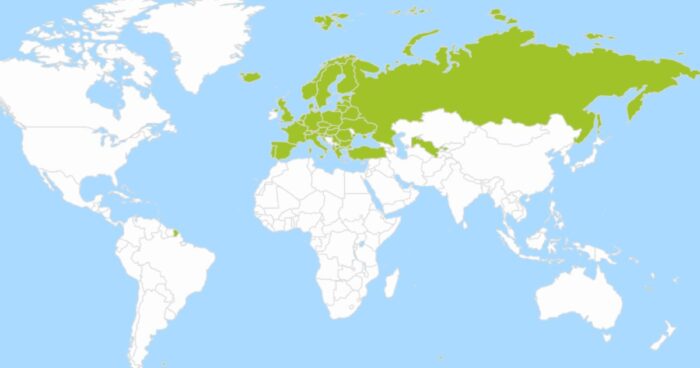
This information is invaluable when travelling, helping to make trips as comfortable as possible for allergy sufferers. Pollen.com provides pollen season information for the USA.