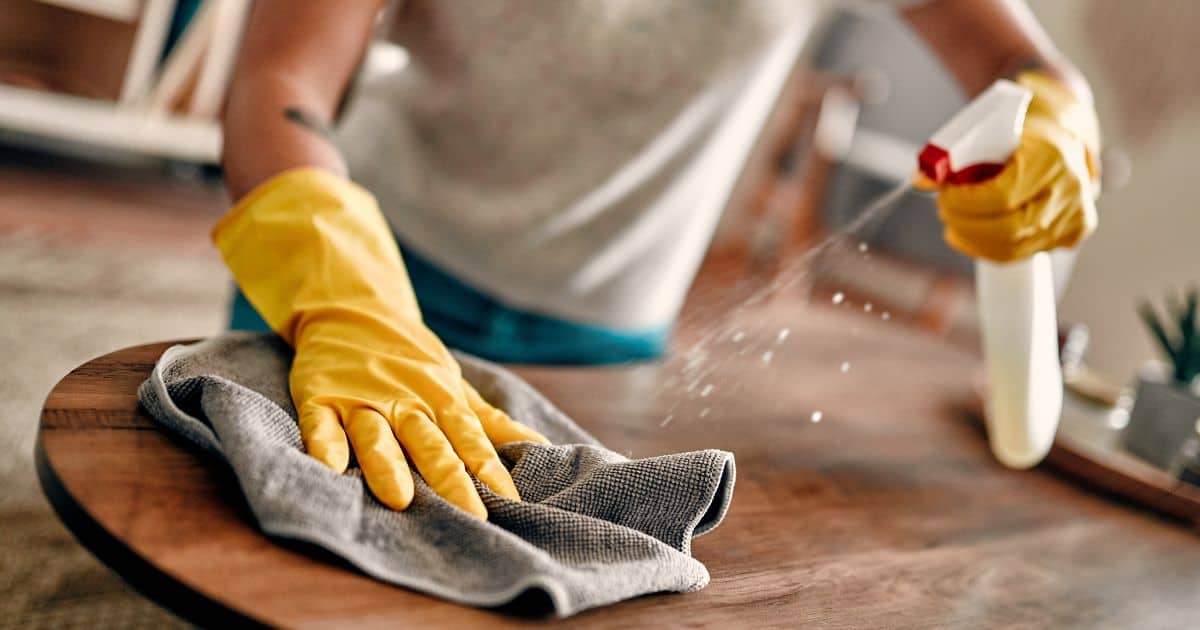
There’s a growing belief that an overly clean environment isn’t good for allergy sufferers — and that this is why their numbers keep rising. The argument goes that by using preventive products, we isolate ourselves from allergens and prevent our immune system from building up resistance. But is cleanliness truly harmful for allergy sufferers? Unfortunately, this is a huge myth, and we’ll explain why.
We cannot create a perfectly clean, allergen-free environment
Even if you kit out your home with anti-dust-mite duvets, coat the walls with self-cleaning paint, and run the most powerful air purifiers, you still can’t eliminate 100% of allergens. We open doors and windows, and air flows in and out constantly. Although an allergy sufferer may stop noticing allergic reactions, microscopic amounts of allergens will always remain in the air.
Even when we stop millions-strong colonies of dust mites from accumulating and breeding inside duvets and pillows, a few dozen will still cling to the surface of sheets, pillowcases, and even our clothing. An allergy sufferer will sleep peacefully and undisturbed, because such a microscopic amount won’t cause problems — but they will never be completely isolated from allergens. We neither can nor want to create a sterile environment.

The number of allergy and asthma sufferers is rising — blame smog
Like it or not, our environment is deteriorating and the air is becoming increasingly polluted. The number of allergy and asthma sufferers is rising alongside it. We can no longer think of the air we breathe as something natural and unchanged since ancient times — something our bodies should simply cope with.
Every day, an allergy sufferer’s body has to battle dust, smog, and other allergens whenever they step outside. The home — and especially the bedroom — should be a place of rest and recovery. If you climb into a bed teeming with accumulated dust mite colonies, which are essentially a hotbed of allergens, you simply can’t get proper rest. You wake up puffy and irritable. Left untreated, allergies can even take a toll on your personal and professional relationships.
That’s why it’s so important to maintain clean air quality in your living space and minimise exposure to harmful substances. Air purifiers are a professional-grade tool not just for allergy sufferers but also for people with asthma. They clean the air of allergens, viruses, bacteria, and unpleasant odours.
Tip: Read our article on how to choose the right air purifier.
Pills treat the symptoms, not the cause
Many allergy sufferers rely on pills to manage their symptoms. But pills aren’t really a solution — they treat the consequences, not the cause. Taking chemically manufactured medications day after day often brings unwanted side effects like fatigue and drowsiness, because of their sedative properties. The irritability only gets worse. And even after eight hours of sleep, an allergy sufferer still doesn’t feel well-rested.

Manage allergies without chemicals — prevent them
Anti-dust-mite bedding with nanofabric acts as a mechanical barrier rather than a chemical one, tackling the cause of the problem instead of just the symptoms. Nanofabric is simply a thinner fabric with smaller pores than conventional textiles. Self-cleaning coatings, meanwhile, purify the air by breaking down dust mites into carbon dioxide and vapour using daylight. It’s worth remembering that nanotechnology often draws on phenomena scientists have observed in nature.
If you’re on the fence — unsure whether you actually suffer from allergies — you don’t need to rush to the doctor’s office straight away. Try testing yourself from the comfort of home first. Not sure how? All you need is a simple allergy test.
Living with allergies can be genuinely challenging, but there are plenty of ways to manage them and live life to the full. You might also find these articles from our blog helpful:
- 7 tips to relieve allergies in children
- Dust allergy: how to get rid of dust mites
- What does a laundry detergent allergy look like?
Frequently asked questions
Why do allergies develop?
Allergies develop as a result of the immune system overreacting to otherwise harmless substances known as allergens. The body’s immune system is supposed to protect us against harmful microorganisms and substances. In allergy sufferers, however, the immune system incorrectly identifies allergens as threats and mounts an inappropriate response.
What are the most common allergens?
The most common allergens include pollen, dust mites, mould, foods (such as milk, eggs, and peanuts), medications (such as penicillin), and chemicals.
When do allergies appear in babies?
Allergies can appear in babies from birth. However, there are steps that can help minimise the risk of developing allergies, such as breastfeeding and a healthy diet. You can find more information here.
Can allergies develop later in life?
Yes, allergies can develop at any point in life. Some people may be more prone to allergies due to genetic predisposition or the environment in which they live.
How long does an allergic reaction last?
The duration of an allergic reaction varies depending on the type of allergy and the severity of the symptoms. It can last just a few minutes or persist for several days.
Can allergies be completely cured?
Some allergies can be managed or alleviated with treatment, but a complete cure for allergies is not yet possible.