
Do you wake up with a blocked nose, puffy eyes, or a nagging morning cough? You’re far from alone. Millions of people go through these miserable morning rituals every single day because they suffer from a dust mite allergy. After years of research, we discovered something that surprised even us — the solution may be simpler than you think, and it starts with your duvet. In this article, we reveal the best duvets for allergy sufferers and why nanofibre materials are leading the way.
TL;DR
- Nanofibre duvets offer the most effective protection against dust mites thanks to a mechanical barrier that physically blocks mites and their allergens from passing through.
- Traditional materials like hollow fibre paradoxically give dust mites an ideal breeding ground — despite being labelled “anti-allergy.”
- Nanofibre duvets from the nanoSPACE brand are made in the Czech Republic, tested by specialist institutions, and provide 100% chemical-free protection.
- For comprehensive protection, we recommend combining a nanofibre duvet, pillow, and mattress encasement.
- The best choice for most people is the nanoSPACE All-Season Anti-Allergy Duvet or the versatile Duo Duvet.
Why dust mites ruin your sleep (and health)
Picture this: while you’re peacefully sleeping at night, your bed is teeming with life. Millions of microscopic dust mites are happily scurrying through your mattress, pillow, and duvet. These tiny relatives of spiders feed on your dead skin cells. It’s their droppings that trigger all those unpleasant allergic reactions you know so well.
Read more about what a dust mite actually is.
Dust mite allergy is one of the most common chronic allergies worldwide. It affects nearly 20% of the population and can cause a range of unpleasant symptoms — from morning sniffles and sneezing to full-blown asthma attacks. And where is the concentration of mites and their allergens highest? That’s right — in your pillows and duvets.

Every time you toss and turn at night, you unwittingly stir up an invisible cloud of allergens right in front of your nose. Your immune system naturally treats this as an invasion — and the result? You wake up more tired than when you went to bed.
TIP: How to get rid of dust mites: a complete guide
Outdated technology: Why traditional “anti-allergy” duvets fall short
You’ve probably spotted duvets labelled “anti-allergy” in shops or online and thought your problem was solved. Unfortunately, the reality is more complicated — most of these products simply don’t work.
The hollow fibre myth
This was one of our biggest shocks. Hollow fibre, often labelled “anti-allergy,” can paradoxically be a luxury residence for dust mites! The structure of hollow fibres that fill many duvets and pillows creates perfect living conditions for mites.
Dust mites need warmth, darkness, and moisture to thrive — and that’s exactly what hollow-fibre ball filling provides in abundance. Hollow fibre may be fine for people allergic to feathers, but it won’t protect you from dust mites.
You might also like: Feather allergy: symptoms and solutions
Cotton and natural materials
Cotton and other natural materials feel lovely and wick moisture well, but when it comes to fighting dust mites, cotton offers no barrier whatsoever. Natural fibres actually provide an ideal environment for the micro-organisms that dust mites feed on. In other words, a cotton duvet is essentially rolling out the red carpet for mites.
Feather and down
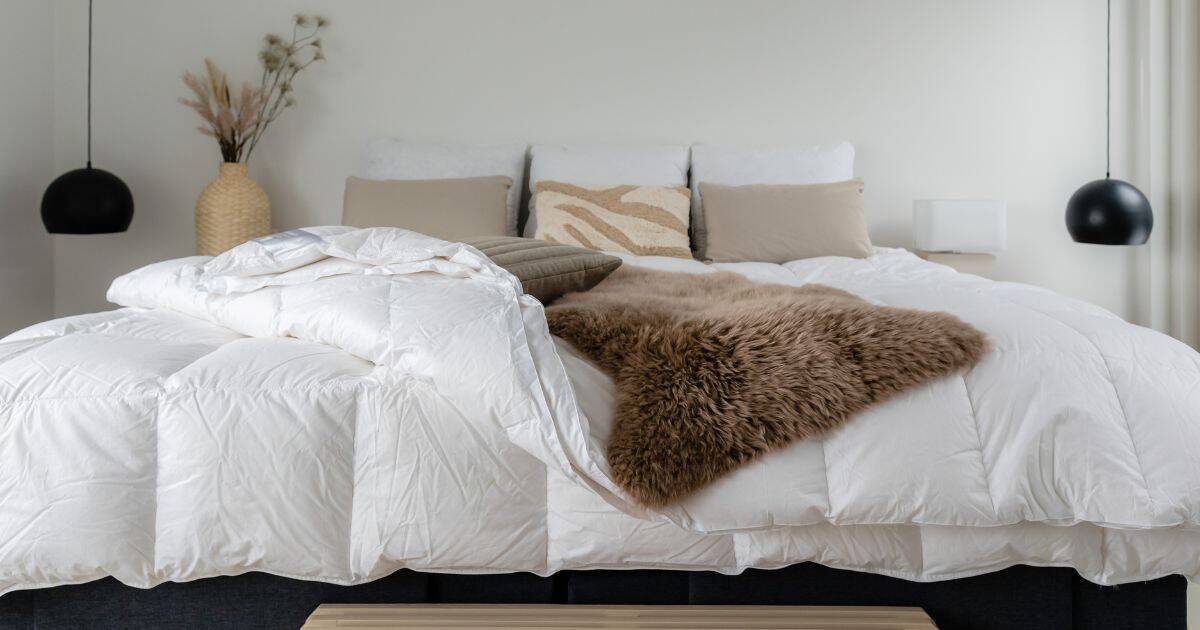
We said goodbye to feather duvets years ago — and for good reason. Feather filling is warm, retains moisture, and offers dust mites a perfect home. On top of that, feathers contain proteins that can trigger allergic reactions in their own right. The combination of feather allergens and the presence of dust mites makes these duvets an allergy sufferer’s nightmare.
Chemically treated duvets
Some duvets for allergy sufferers are infused with chemicals designed to repel or kill dust mites. It sounds like a sensible solution, but there are several catches:
- Effectiveness drops significantly with each wash.
- Many people are actually allergic to these very chemicals.
- From an environmental standpoint, it’s not a sustainable solution.
Chemically treated duvets aren’t a long-term answer — they’re more of an expensive short-term fix.
A revolution in allergy protection: Nanofibre duvets for allergy sufferers
When we first started researching this topic, we underestimated just how big an impact bedding has on sleep quality and allergic symptoms. Once you realise that we spend nearly a third of our lives in bed, it makes perfect sense that this is where many health problems — and their solutions — begin.
After years of exploring different options and materials, we found a solution that genuinely works — nanofibre duvets. This modern technology represents a revolution in protection against dust mites and their allergens.

How does a nanofibre membrane work?
A nanofibre membrane is made up of extremely thin fibres just a few nanometres in diameter. (You’d need to stack thousands of them to match the width of a single human hair.) These fibres form a dense network with very small pores that are:
- Large enough to let air and water vapour pass through.
- Small enough to block dust mites and their allergens.
The result is a mechanical barrier that prevents mites from penetrating the duvet filling and breeding inside it. Most importantly, this protective effect works entirely without chemicals and lasts for the full lifespan of the duvet.
Why nanofibre duvets are a game-changer for allergy sufferers
Nanofibre duvets, such as those from the Czech brand nanoSPACE, offer allergy sufferers a host of significant benefits:
- 100% protection against dust mites and their allergens — Mites and their droppings simply cannot pass through.
- Excellent breathability — Unlike other barrier materials, you won’t overheat or sweat underneath them.
- Lasting effectiveness — This isn’t chemistry; it’s a physical principle, so the protection lasts for years.
- Easy maintenance — A 40 °C wash is all you need. There’s no need for high-temperature washes because mites can’t live inside the duvet.
- No extra specialist covers required — A nanofibre duvet provides complete protection on its own, so you don’t need any additional barrier covers.

Nanofibre duvets for allergy sufferers aren’t just functional — they’re also pleasantly soft, lightweight, and comfortable — perfect for everyday use.
Best nanofibre duvets for allergy sufferers
There are several brands on the Czech market offering duvets for allergy sufferers, but if you want genuinely proven quality, focus on products with scientific backing. Duvets from the Czech brand nanoSPACE are among the best in the field — they’re manufactured in the Czech Republic and tested by respected institutions such as the National Institute of Public Health, the Textile Testing Institute, and the Technical University of Liberec.
Your lifestyle, temperature preferences, and the time of year all play a role in choosing the ideal duvet. Let’s look at the options.
Summer anti-allergy duvet
The summer nanofibre duvet is an ideal choice for the warmer months or for those of you who prefer lighter bedding. With a fill weight of just 150 g/m², it provides optimal comfort when your bedroom temperature is above 23 °C.
This duvet is thin, light, and pleasantly soft — yet it delivers the same level of dust mite protection as all other nanofibre duvets. If you prefer sleeping cool, the summer duvet is a great option even outside the warm season.
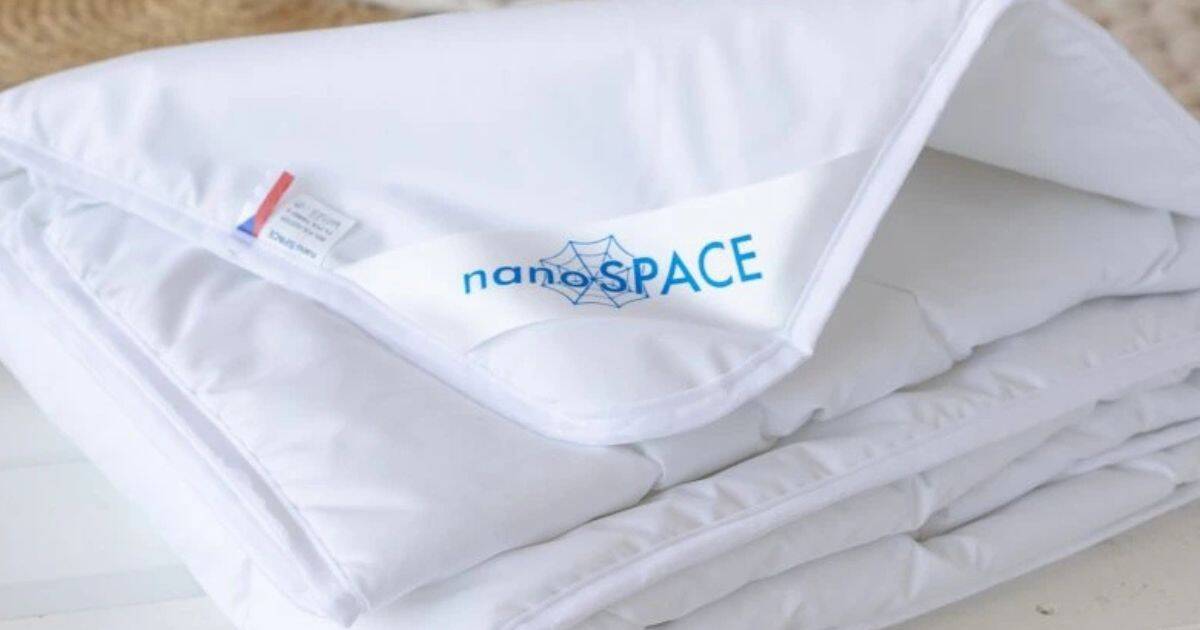
nanoSPACE review: Duvets, pillows, and covers for allergy sufferers + 10% discount
Winter duvet for allergy sufferers
For the colder months — or for those who love a warmer duvet — there’s the winter nanofibre duvet. With a fill weight of 450 g/m², it offers excellent thermal insulation — cosy and warm, but never stifling. Despite the heavier filling, it remains breathable and light. It’s recommended for bedrooms with temperatures between 18–20 °C.
All-season anti-allergy duvet
The most popular option is the all-season nanofibre duvet with a fill weight of 300 g/m² — a perfect middle ground. Not too light, not too warm; just right. The all-season duvet suits bedrooms at around 21–22 °C. It provides optimal comfort during transitional seasons as well as mildly warm or cooler months.
Review: nanoSPACE all-season dust-mite-proof duvet for allergy sufferers
Duo anti-allergy duvet
Can’t decide? Then you might be interested in the Duo Duvet. It consists of two duvets of different weights (summer and all-season) connected by a zip. You can use them separately or zipped together for a warm winter duvet. It’s both practical and economical. Instead of buying three separate duvets, one multi-functional set does it all.

Thermo anti-allergy duvet
For extremely cold bedrooms (below 18 °C) or for those who constantly battle feeling chilly, there’s the Thermo Duvet with a fill weight of 600 g/m². This duvet is constructed in a specific way from two all-season duvets, creating an insulating air pocket between them.
Children’s anti-allergy duvet
Children are often far more sensitive to allergens than adults. The children’s nanofibre duvet in a 90 × 135 cm size is designed specifically for little allergy sufferers and is available in both summer and all-season versions.
How to choose the ideal duvet for allergy sufferers
Choosing the right duvet for allergy sufferers depends on several factors. Below are a few key criteria to consider.
Bedroom temperature and your warmth preferences
One of the most important factors when selecting a duvet for allergy sufferers is the temperature in your bedroom and your personal preference for warmth while sleeping. Do you tend to run hot, or do you prefer a cooler environment?
- For warm bedrooms (above 23 °C): Summer duvet (150 g/m²),
- for standard temperatures (21–22 °C): All-season duvet (300 g/m²),
- for cooler bedrooms (18–20 °C): Winter duvet (450 g/m²),
- for very cold bedrooms (below 18 °C): Thermo duvet (600 g/m²),
- for variable conditions: Duo duvet (summer + all-season combination).
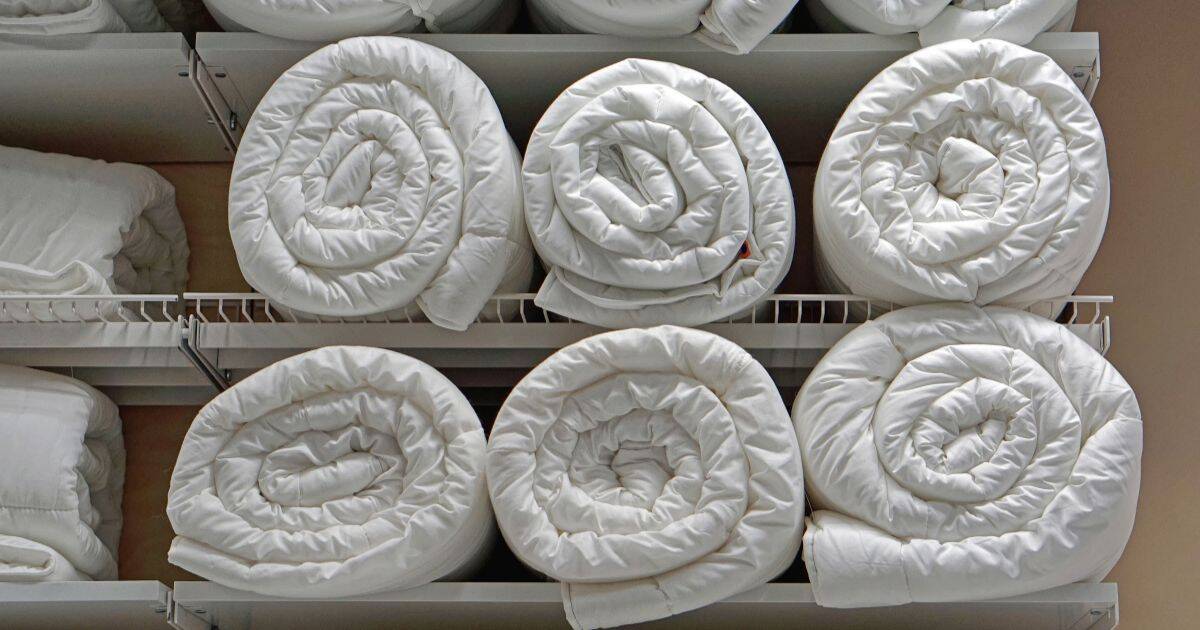
Remember: sleeping in a cooler room with a warmer duvet generally leads to better quality sleep than sleeping in an overheated bedroom with a thin duvet.
Duvet dimensions
When it comes to duvets, bigger is often better. A duvet that’s too small — leaving your feet or shoulders sticking out — can genuinely disrupt your sleep. You may wake up during the night simply because you’re cold. Standard sizes include:
- Single: 140 × 200 cm,
- extended single: 140 × 220 cm (for taller people),
- double: 220 × 200 cm (for couples),
- children’s: 90 × 135 cm (for children up to about 12 years old).
Care and maintenance of nanofibre duvets
The good news is that nanofibre duvets for allergy sufferers require far less maintenance than conventional duvets. While standard duvets need frequent high-temperature washes (which can paradoxically encourage mould growth), nanofibre duvets only need washing once or twice a year at 40 °C.
A few tips for proper care:
- Use gentle, eco-friendly detergents.
- Avoid fabric softener, which can damage the membrane.
- Let the duvet dry thoroughly after washing.
- When storing it out of season, use breathable bags — not plastic ones.
You might also like: 3 tips for the best laundry detergent for allergy sufferers — children and adults
Complete allergy protection: More than just a duvet
If you truly want to maximise your protection against dust mites, the ideal approach is to create a comprehensive barrier across your entire bed. The duvet is important, but it’s only one piece of the puzzle.
Anti-allergy pillow with nanofibre membrane
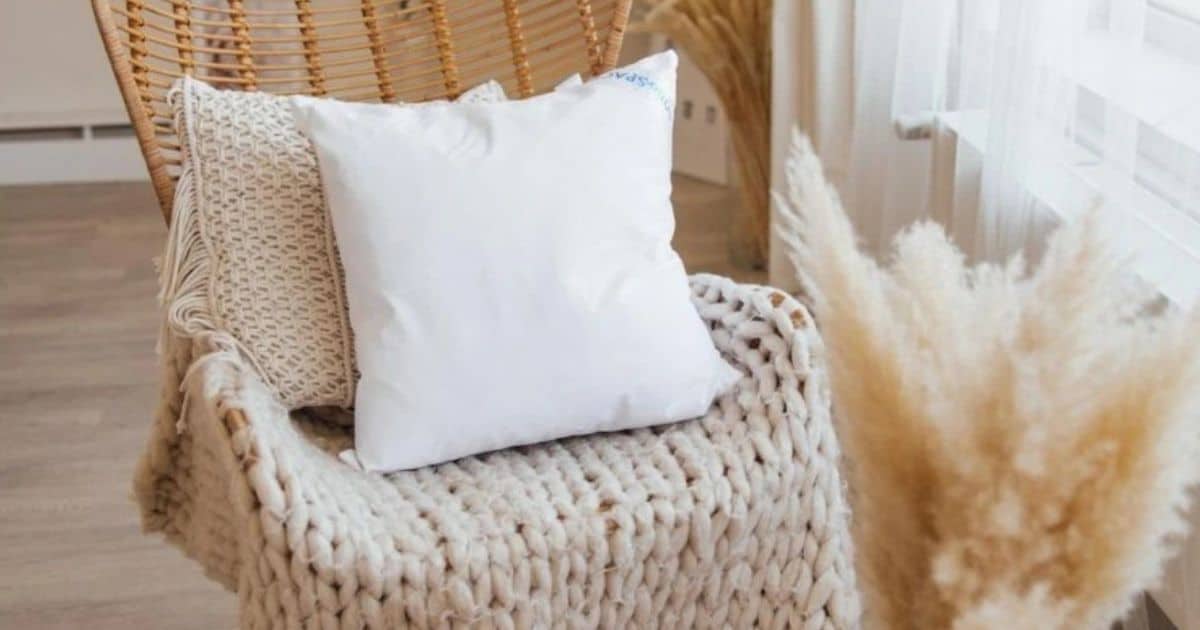
Your pillow is in direct contact with your face and airways, making it critically important from an allergy standpoint. A dust-mite-proof pillow with a nanofibre membrane significantly reduces the amount of allergens right next to your nose and mouth.
Mattress encasement with nano membrane
Your mattress is the single largest reservoir of dust mites in your bed. A specialist impermeable encasement creates a barrier between you and the millions of mites living inside your mattress.
Review: nanoSPACE dust-mite-proof mattress encasement with elastic band for allergy sufferers
Dust-mite-proof sheet or mattress protector
For the ultimate level of protection, you can also add a nano-cotton fitted sheet or a mattress protector. This combination creates a comprehensive protective system that minimises contact with dust mites and their allergens.
Why investing in a quality duvet for allergy sufferers is worth it
Wondering whether the higher price of a nanofibre duvet is justified? Consider the following:
- Improved quality of life — Waking up without a blocked nose and constant sneezing means more energy and a better mood every single day.
- Lasting effectiveness — While chemical treatments gradually lose their potency, nanofibre keeps working just as well over time.
- Savings on medication — Fewer allergy symptoms means less money spent on antihistamines and other medication.
- A long-term investment — A quality duvet will last you many years.
For allergy sufferers, a quality duvet isn’t a luxury — it’s a necessity.
Also read: Dust mite covers vs. dust mite duvets and pillows — which is better?
Frequently asked questions
Can dust mites pass through ordinary bed linen?
Yes, ordinary bed linen poses no obstacle to dust mites. The gaps between fibres in standard textiles are much larger than dust mites and their allergens, so they can pass through freely. That’s why it’s important to have a specialist barrier layer, such as a nanofibre membrane.
How often do nanofibre duvets for allergy sufferers need washing?
Unlike standard duvets, which need frequent washing (paradoxically, this can actually encourage mould growth), nanofibre duvets for allergy sufferers only need washing once or twice a year. Dust mites cannot penetrate the filling, so there’s no need for frequent high-temperature washes.
Can I use fabric softener when washing nanofibre duvets?
Fabric softener and other harsh detergents are not recommended, as they can damage the nanofibre membrane. It’s best to use gentle, eco-friendly detergents free from added fragrances and dyes.
How long does the protective effect of a nanofibre membrane last?
Unlike chemical treatments, whose effectiveness fades over time, the protective effect of a nanofibre membrane is based on a physical principle. With proper care and maintenance, it lasts for the entire lifespan of the duvet — which can be 10 years or more.
Are nanofibre duvets suitable for people with sensitive skin?
Yes, nanofibre duvets are an excellent choice for people with sensitive skin or atopic eczema. They contain no chemicals that could irritate the skin, and they provide effective protection against allergens that often worsen skin conditions.