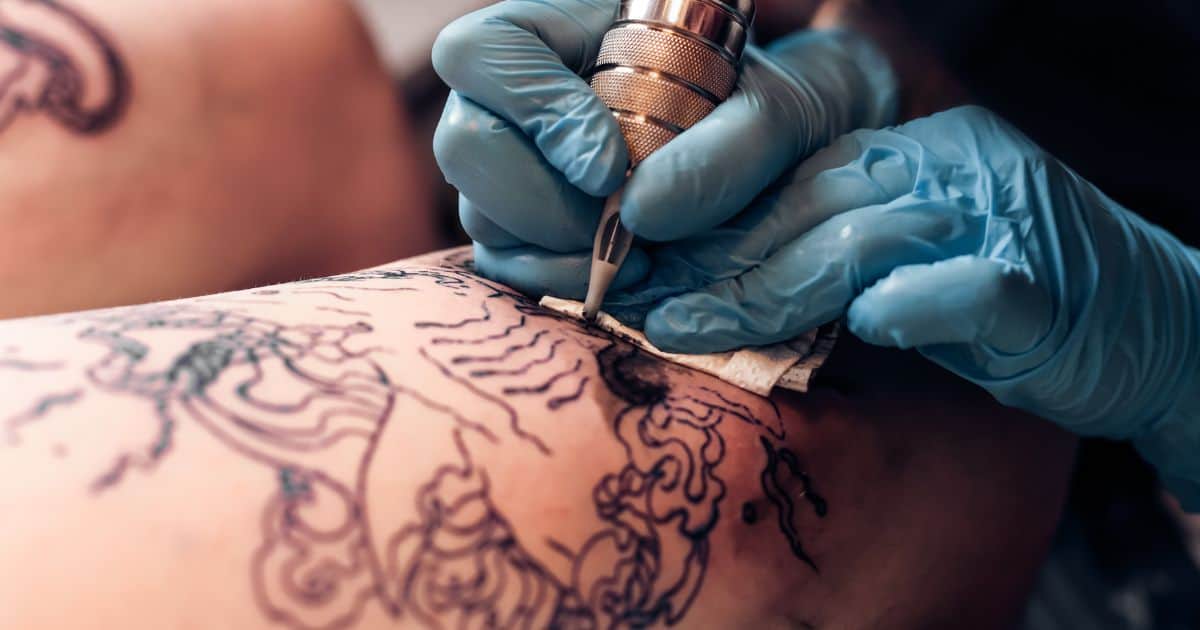
Tattoos have been surging in popularity over the past few years. But this form of permanent or temporary artistic self-expression comes with certain risks — including tattoo allergy. From the stories of women who’ve been through it and from dermatological literature, I know how frustrating it can be when a long-awaited piece of body art turns into a painful inflammation. In the following guide, we’ll walk through tattoo allergy symptoms, what causes them, and how treatment works — so your tattoo brings you joy, not worry.
TL;DR
- Tattoo allergy is a real, though uncommon, risk. It’s most often triggered by metallic compounds in coloured pigments — not the tattooing process itself.
- Red ink has historically caused — and still causes — the most reactions. Modern pigments are safer, but red remains the highest-risk colour.
- Beware of so-called “black henna” from holiday market stalls. It’s not a natural product — it’s a dangerous mixture containing paraphenylenediamine (PPD) that can cause severe chemical burns and permanent sensitisation.
- Since 2022, strict EU REACH regulations have banned over 4,000 hazardous chemicals from tattoo inks. Always choose a studio that uses certified, REACH-compliant inks.
- If you notice any suspicious reaction — intense itching, weeping or a rash spreading beyond the tattoo — don’t delay and see a dermatologist. Early treatment is crucial.
What can tattoos cause?
I certainly don’t want to scare you with a list of possible complications. But before visiting a tattoo parlour, it’s important to know that from a medical standpoint, tattooing is an invasive procedure that breaks the skin barrier. In some individuals, it can lead to the following conditions:
Infection
If the tattoo artist doesn’t maintain strict aseptic conditions, or the skin isn’t properly cared for afterwards, a bacterial infection can develop. Signs include redness, swelling, pain or discharge spreading beyond the immediate area of the tattoo. Systemic symptoms such as chills or fever often accompany it, and antibiotic treatment may be required.
Allergic reaction
An allergic reaction to a tattoo is a type IV immune response (delayed-type hypersensitivity) to components of the ink used. The body identifies the pigment as a foreign substance and mounts an inflammatory response against it. This isn’t the tattoo artist’s fault — it’s down to your individual immune system’s predisposition.
Photosensitivity
Freshly tattooed skin is extremely sensitive to UV radiation. Sun exposure can trigger a phototoxic or photoallergic reaction, typically in the form of a rash or redness. You should avoid exposing a new tattoo to direct sunlight for at least a month, and even afterwards, using a high-SPF sunscreen (SPF 50+) is essential.
Keloid scars
Keloid scars are a type of hypertrophic scarring where excessive tissue growth occurs during wound healing. They form raised, firm lumps that extend beyond the original tattoo lines. Susceptibility to keloids is primarily genetic.
Worsening of skin conditions
A tattoo is a form of skin trauma. This phenomenon, known as the Koebner phenomenon, can trigger or worsen chronic skin conditions such as psoriasis, eczema or lichen planus directly at the tattoo site in predisposed individuals.

Who should not get a tattoo?
Because of the health risks outlined above, certain groups of people face disproportionate risk from tattooing. Absolute or relative contraindications include:
People with known allergies
If you have a confirmed allergy to tattoo ink or its components (typically metals), tattooing is contraindicated. This also applies to people with a strong nickel and metal allergy, who should be particularly cautious.
People with chronic skin conditions
Patients with active psoriasis, atopic eczema or other chronic dermatitis should postpone tattooing until the condition is in remission, and discuss the risk of the Koebner phenomenon with their dermatologist.
Patients with blood clotting disorders
Individuals with haemophilia or those taking blood-thinning medication (e.g. Warfarin) have a significantly increased risk of bleeding during and after the procedure.
Pregnant and breastfeeding women
Although direct transfer of pigment to the foetus has not been demonstrated, the risk of infection and the stress of the procedure place an unnecessary burden on the body. Moreover, the chemicals in tattoo inks have not been tested for safety during pregnancy.
People prone to keloid scarring
If you’ve developed keloid scars after injuries or surgical procedures in the past, the likelihood of them forming at the tattoo site is very high.
If you’re unsure whether tattooing is safe for you, a consultation with a dermatologist is always the best option. A professional tattoo artist should also take a thorough medical history and refer you to a doctor if there’s any doubt.
What causes tattoo allergy?
The main cause of tattoo allergy is the pigments and the metals they contain, which act as haptens — small molecules that become allergens once they bind to skin proteins. Historically, the biggest culprits were heavy metal salts such as mercury in red ink or cadmium in yellow. Although ink formulations have modernised, the risk still persists.
Black ink, typically carbon-based (carbon black), is considered the least allergenic. That said, reactions can still occur, particularly if the ink is contaminated or contains additives. So-called vegan inks — which are free from animal-derived ingredients (such as animal-fat glycerin or shellac) — are growing in popularity. Their hypoallergenic profile tends to be better, but that doesn’t make them 100% risk-free. Even plant-based ingredients can trigger an allergy. Innovations like LightInk aim to minimise problematic components, yet individual reactions remain unpredictable.
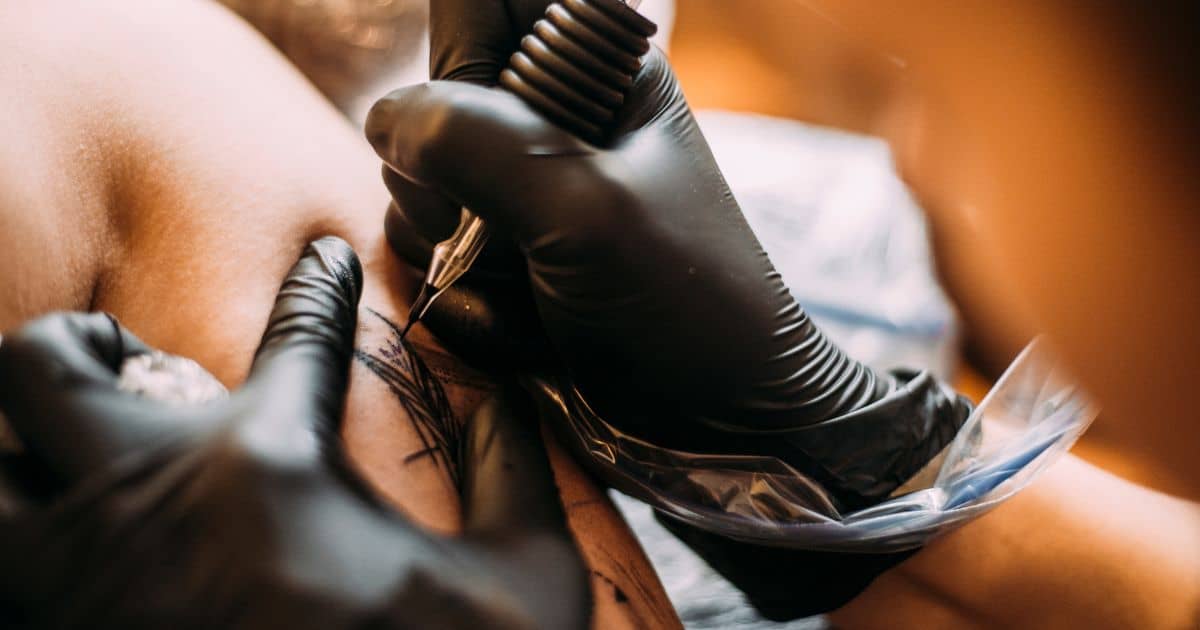
We mustn’t forget other potential allergens involved in the tattooing process either. If the tattoo artist wears latex gloves, this can trigger an immediate reaction in sensitive individuals. Fortunately, most studios now use nitrile gloves as standard. Disinfectants or healing creams used after tattooing can also cause allergic reactions, which can complicate the diagnosis. This is where cross-reactivity with a cosmetics allergy may come into play.
EU REACH regulation 2022+ — what is no longer allowed
A major turning point for consumer safety came on 4 January 2022. From that date, the EU REACH regulation (Annex XVII) came into force, dramatically restricting the use of hazardous chemicals in tattoo inks and permanent make-up. The regulation banned or limited more than 4,000 substances, including carcinogens, mutagens, reproductive toxicants, skin sensitisers, and metals such as nickel and chromium above set limits.
From 4 January 2023, the ban was extended to two further important pigments: Pigment Blue 15:3 and Pigment Green 7. These pigments had been extremely widespread, and their ban caused significant disruption in the tattoo industry, as no adequate replacements existed at first. Manufacturers responded quickly, however, and by 2026 a wide range of fully REACH-compliant inks is available on the market.
What does this mean for you as a client? It means every professional studio in the EU must use only inks that meet these strict regulations and carry the appropriate certification. Don’t be afraid to ask your tattoo artist which inks they use and whether they comply with REACH. Transparency and a willingness to provide details about the origin and composition of their inks is a hallmark of professionalism.
Which ink colour causes the most reactions
Despite strict regulations, some colours still carry a higher allergy risk than others. The frequency and type of reaction vary depending on the pigment used. The following table summarises the most common culprits:
| Colour | Typical allergen | Reaction frequency | Onset time |
|---|---|---|---|
| Red | Organic pigments (e.g. Pigment Red 22, Pigment Red 170). Historically mercury (cinnabar). | Highest | Days to years (late granulomatous reactions are common) |
| Black | Carbon (carbon black), polycyclic aromatic hydrocarbons (PAH) | Low | Usually rapid, if it occurs at all |
| Blue | Cobalt salts | Moderate | Weeks to months |
| Green | Chromium salts | Moderate | Weeks to months |
| Yellow | Historically cadmium. Now organic pigments. | Low to moderate | Often photosensitive reactions after sun exposure |
The most common and most severe reaction is therefore an allergy to red tattoo ink. These reactions can appear not only on fresh tattoos but even many years later — often triggered by sun exposure or a change in the body’s immune status.
Black henna and PPD — why it’s the most dangerous
I need to be absolutely uncompromising here. So-called “black henna”, often offered by street artists in tourist resorts, has almost nothing in common with real henna and poses a huge health risk.
Real, natural henna (derived from the Lawsonia inermis plant) is safe and stains the skin in reddish-brown shades. Its allergenic potential is very low. The problem arises when the synthetic dye paraphenylenediamine (PPD) is added to achieve a deep black colour and faster results. PPD is an extremely potent contact allergen.
PPD allergy presents as severe contact dermatitis that typically appears around 7–14 days after application. The skin at the “tattoo” site turns intensely red, swells, and blisters and weeping develop. The reaction can leave permanent scarring and pigmentation changes. What’s worse, however, is permanent sensitisation. A single exposure to PPD from black henna can make you allergic for life to:
- Hair dyes: Most dark permanent hair dyes contain PPD or related substances. Future hair colouring could trigger a severe allergic reaction on the face with massive swelling.
- Rubber products: Some antioxidants in black rubber are chemically related to PPD.
- Textile dyes: Dark clothing may cause rashes.
This is why I strongly warn: avoid any temporary tattoo marketed as “black henna”. The risk of lifelong consequences is simply too high. A true henna allergy (to natural henna) is rare, but allergy to PPD in black henna is unfortunately common and dangerous.
What does an allergic reaction to a tattoo look like?
It’s important to distinguish the normal healing process from a genuine allergic reaction. Mild redness, swelling and tenderness in the first few days are perfectly normal. An allergy, however, looks quite different:
Intense itching and burning
While mild tattoo itching is a normal part of healing, unbearable itching that makes you desperate to scratch is a warning sign.
Rash or blisters
An allergic rash typically appears as bumps, small blisters or weeping patches directly at the tattoo site, often following the lines of a specific ink colour.
Significant swelling and redness
Swelling that doesn’t subside after several days, or redness that spreads to the surrounding area, is not normal.
Skin peeling and granulomas
In delayed reactions, the skin over the tattoo may become rough and flaky, or small hard nodules (granulomas) may form.
Systemic symptoms
In rare cases, general symptoms such as chills, fever or overall fatigue may appear. If this happens, seek medical attention immediately.
How is tattoo allergy treated?
Treatment of a tattoo allergy belongs exclusively in the hands of a dermatologist. The severity of symptoms determines the approach:
Topical treatment
The mainstay is potent topical corticosteroids in the form of ointments or creams. These are applied directly to the affected area to suppress local inflammation, itching and swelling.
Systemic treatment
For more severe reactions, oral antihistamines are prescribed to relieve itching, and in serious cases, systemic corticosteroids (tablets) may be given for a short period to suppress the intense immune response.
Cold compresses
As a complementary measure, cold compresses provide relief by easing itching and burning and soothing irritated skin.
Tattoo removal
If the allergic reaction is chronic and unresponsive to treatment, the only solution is removing the pigment from the skin. This is most commonly done with laser, though surgical excision may be necessary in some cases. This step is considered only as a last resort.
How to tell if a tattoo has healed
You can tell a tattoo has healed when the surrounding skin has returned to its normal colour, with no redness, swelling or irritation. The tattoo area should no longer itch or burn.
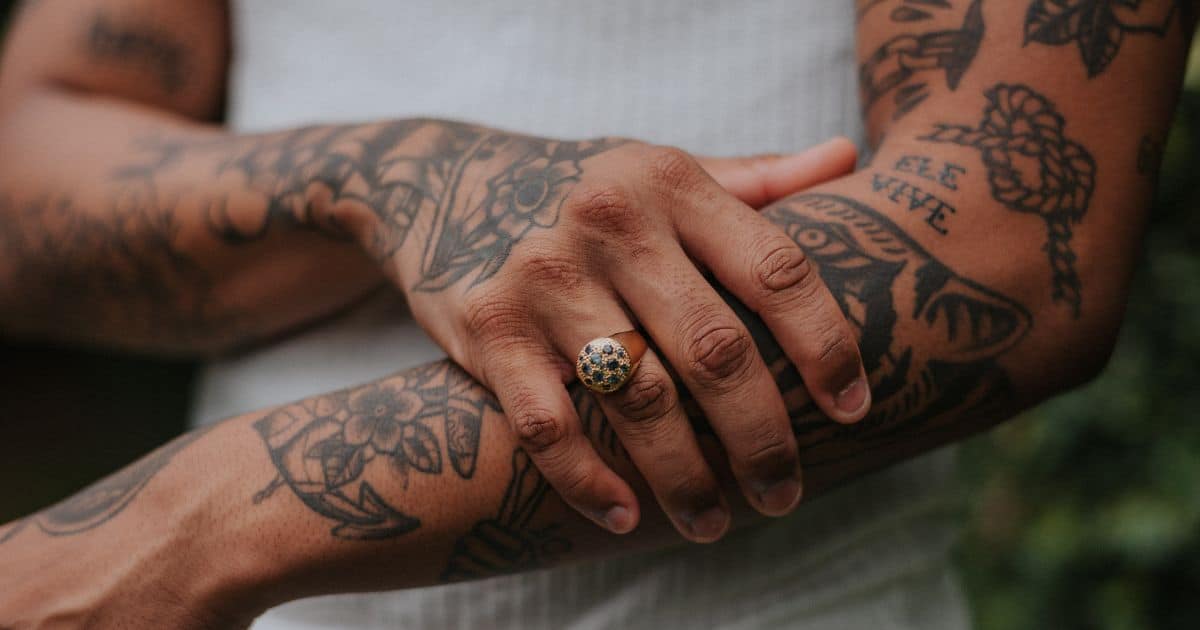
A healed tattoo should also show a settled colour intensity. During the healing process, the colour lightens slightly — this means the pigment has settled properly into the skin. Fine scabs form after the needle work and eventually peel off on their own. Healed skin feels smooth to the touch, without bumps, and isn’t moist or greasy. The entire healing process varies from person to person and takes several weeks.
Why you should moisturise a tattoo
Applying special creams to a fresh tattoo is an important part of the healing process for several reasons:
Supporting the healing process
During the first days and weeks, regular application of a healing cream keeps the skin supple, prevents it from drying out and scabs from cracking, allowing for faster and smoother recovery.
Preserving colours
Well-hydrated skin holds pigment better. Regular moisturising even after healing helps keep the colours vibrant and vivid.
Sun protection
UV radiation is a tattoo’s worst enemy. Using creams with high SPF is essential for preventing colour fading and skin damage.
Infection prevention
Some healing ointments contain antiseptic ingredients that help protect the compromised skin barrier from bacterial entry.
Soothing irritation
The right cream provides relief from the mild itching and tightness that are a normal part of healing.
📖 You might also be interested in
🧴 What to do if you react to a fresh tattoo
Once a reaction kicks in, you need a cream that calms the skin without introducing further allergens. The AtopCare range can help — it’s free from fragrances, preservatives and dyes. If you’d like to check your sensitivity before your next tattoo appointment, try a home allergy test.
Conclusion
Tattoo allergy may not be a widespread problem, but when it does occur, it can be extremely unpleasant and in some cases a genuine health risk. Modern REACH regulations have significantly improved the safety of tattoo inks across the EU, but no one can ever guarantee you 100% certainty. The key to minimising risk lies in being well-informed, carefully choosing a professional studio that upholds the strictest hygiene standards and uses certified inks, and — last but not least — listening to your own body.
What can you do today if you’re seriously considering a tattoo? Contact your chosen studio and ask them directly about the REACH certification of their inks. Ask which ink brands they use. A professional, transparent response is the first and most important filter. If you have a history of multiple allergies or suffer from a skin condition, don’t hesitate to book a consultation with a dermatologist. Prevention is always better than dealing with complications.
Frequently asked questions
How long does it take for a tattoo allergy to appear?
An allergic reaction can appear acutely, within hours to days of getting a tattoo. However, delayed reactions are more common — these can develop weeks, months, or even several years after the procedure.
When should you not get a tattoo?
Don’t get a tattoo during an acute illness, if you have a fever, during pregnancy or while breastfeeding. It’s also risky if you have an active skin condition (eczema, psoriasis), blood clotting disorders, a known metal allergy, or if you’re taking medication that affects your immune system or healing.
Can I get eyebrow tattooing if I’m allergic to tattoo ink?
If you have a confirmed allergy to tattoo pigments, permanent make-up — including eyebrow tattooing — is highly risky. The pigments used for permanent make-up are chemically very similar to tattoo inks, and the risk of a reaction is considerable.
Can you be allergic to henna tattoos?
Yes, but the distinction is crucial. Allergy to real, natural henna (reddish-brown) is very rare. By contrast, allergy to so-called “black henna”, which contains the potent allergen PPD, is common and dangerous. It can cause severe dermatitis and permanent sensitisation.
How common is tattoo allergy?
Precise data are lacking, but tattoo allergy is generally considered a relatively rare complication. The risk increases with the use of coloured inks, especially red. Thanks to REACH regulation, the incidence of these reactions is expected to continue declining.
How long does tattoo allergy last?
The duration depends on the type and severity of the reaction. An acute reaction may resolve within a few weeks with treatment. Chronic reactions, however, can persist for months or even years as long as the allergenic pigment remains in the skin.
Can a tattoo be removed because of an allergy?
Yes, tattoo removal (usually by laser) is the ultimate solution for chronic allergies that don’t respond to treatment. However, the acute inflammation must be brought under control first. The laser removal process itself can paradoxically worsen symptoms temporarily by releasing additional allergens into the body.
Why does an old tattoo itch after years?
Itching of an old tattoo can have several causes. It may be a delayed allergic reaction, a response to sun exposure (photosensitivity), a sign of a systemic condition (e.g. sarcoidosis), or simply dry skin in that area. If the itching persists, a check-up with a dermatologist is advisable.
Can I get a tattoo if I’m allergic to nickel?
It’s risky. Thanks to REACH regulation, modern inks should be tested for nickel content and meet strict limits. However, trace amounts can never be completely ruled out. Before getting tattooed, it’s essential to inform your tattoo artist and consider patch testing with the specific ink at a dermatologist’s office.
What should I do if I react to a fresh tattoo?
Don’t panic. First, contact your tattoo artist to find out the exact type and manufacturer of the ink used — this information is valuable for your doctor. Then seek medical attention promptly (a dermatologist, or A&E if needed). Don’t apply any ointments or creams to the area without professional advice.