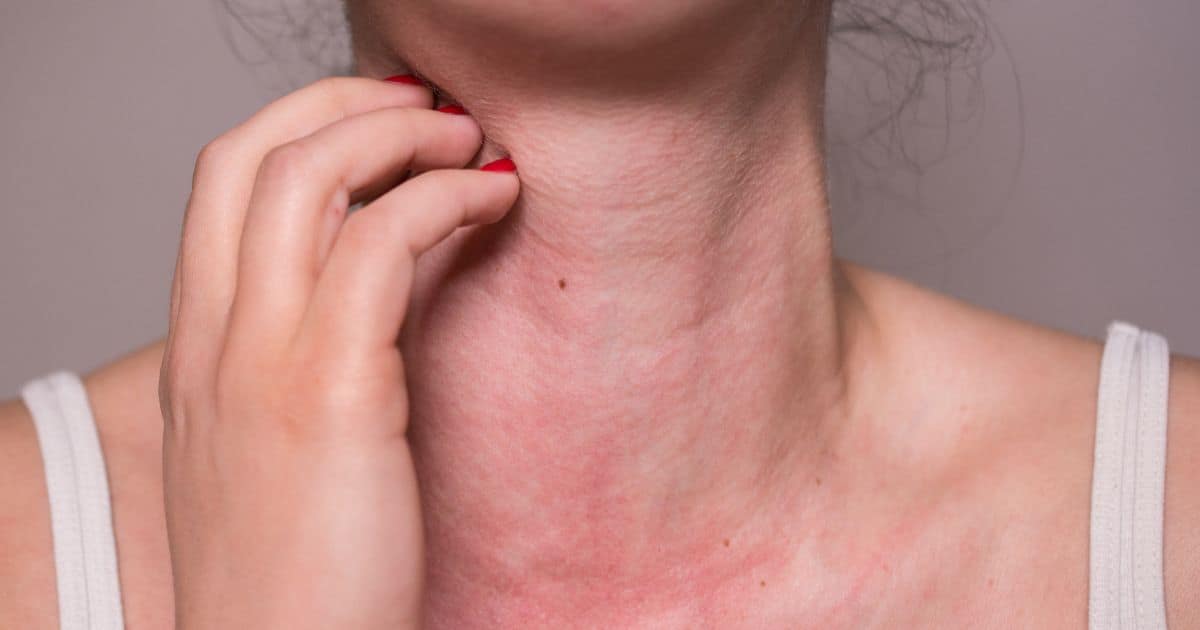
Metal allergy is an immune system reaction to a specific metal found in jewellery, glasses, clothing or even orthopaedic implants. It’s far from rare — in Europe alone, up to one in five people are affected. It presents as what’s known as allergic contact eczema, essentially an inflammatory skin reaction at the point of contact with the allergen. The most common symptoms include itching, redness, small fluid-filled blisters, and in its chronic phase, dry, cracked skin. Let’s take a detailed look at which metals are the biggest culprits and how to learn to live with this metal allergy.
TL;DR
- Nickel is allergen no. 1: Nickel allergy is the most common contact allergy in Europe, affecting up to 18% of women. You’ll find it in costume jewellery, zips, coins and watch straps.
- The reaction is delayed: This isn’t an immediate response. Symptoms like itching and rash typically appear 24 to 72 hours after contact with the metal.
- Diagnosis is reliable: The gold standard for confirming the allergy is epicutaneous (patch) testing with a dermatologist or allergist.
- It can’t be cured, but it can be managed: Metal allergy is lifelong. The cornerstone is consistently avoiding the problematic metal and choosing safe alternatives.
- Safe materials exist: For sensitive skin, the best options are titanium, platinum, niobium or high-purity gold (14ct and above).
Nickel — the top allergen in Europe
When it comes to metal allergy, we have to start with nickel. It’s by far the most common contact allergen in both Europe and the US. According to data from the European Society of Contact Dermatitis (ESCD), nickel allergy affects roughly 18% of women and 3–6% of men. This gap is largely down to women wearing costume jewellery and piercings more frequently.
Where might you encounter nickel? The list is unfortunately long:
- Cheap costume jewellery (earrings, chains, rings)
- Belt buckles, metal jeans buttons, zips
- Glasses frames, watches
- Coins, keys
- Piercings
- Dental braces and orthopaedic implants
The good news is that the European Union has been actively addressing the problem. Thanks to the EU Nickel Directive (94/27/EC), which is part of the REACH regulation, the amount of nickel that may be released from items in direct and prolonged contact with skin is strictly regulated. The limit is set at 0.5 micrograms per square centimetre per week. This legislation has had a demonstrable impact — among young women, for instance, the prevalence of this allergy dropped from nearly 20% to around 11%.

Chromium — a hidden threat in leather and cement
The second major allergen is chromium. You won’t encounter it as often in jewellery, but it lurks in other, less expected places. The problematic compounds are those of hexavalent chromium (Cr VI), which are highly allergenic. Chromium allergy typically shows up in two areas:
- Leather goods: Most leather is processed using a method called chrome tanning. If the process isn’t perfect, residues of hexavalent chromium can remain in the leather. Eczema then appears on the feet from leather shoes, on the wrist from a leather watch strap, or on the hands from leather gloves.
- Cement: Chromium is a natural component of cement. Construction workers and others who handle cement can develop severe, chronic hand eczema known as “cement eczema.”
European legislation has stepped in here too. Since 2014, the REACH regulation limits the Cr VI content in leather goods that come into contact with skin to a maximum of 3 mg/kg (3 ppm). A similar restriction for cement has been in place since 2005, and ferrous sulphate is often added to reduce the allergenic hexavalent chromium to the less problematic trivalent form. The same principles apply to metal allergy in general.
Cobalt — nickel’s blue companion
Cobalt often goes hand in hand with nickel. Both metals occur in the same ores, so they frequently turn up together in alloys used for costume jewellery. Many people with a nickel allergy also react to cobalt. Cobalt allergy, however, can have its own specific sources.
Cobalt is responsible for a beautiful blue colour, which is why it’s used as a pigment in ceramics, glass and even tattoo inks. Anglers should also be aware, as some fishing weights can contain cobalt. An interesting fact: cobalt is a component of vitamin B12 (cyanocobalamin). Although extremely rare, in highly allergic individuals, an injection of this vitamin can trigger a systemic allergic reaction. It’s worth keeping this in mind in the context of metal allergy.
Gold and palladium — even precious metals aren’t immune
It might surprise you to learn that even gold — often considered hypoallergenic — can trigger an allergy. Pure 24-carat gold is indeed inert, but it’s almost never used for jewellery because it’s too soft. Instead, alloys with other metals are used to add strength and colour, and these can be the problem. When it comes to metal allergy, this is doubly true.
Gold allergy itself is less common than nickel allergy, but it does exist. It’s thought that gold ions can be released from the alloy in the acidic environment of sweat and bind to skin proteins, triggering an immune reaction. White gold is particularly problematic, as it often contains either nickel (in older, cheaper versions) or palladium to achieve its silvery colour. And palladium is yet another metal that a portion of the population can become sensitised to. In the world of metal allergy, this is an important point to remember.
How metal allergy symptoms appear
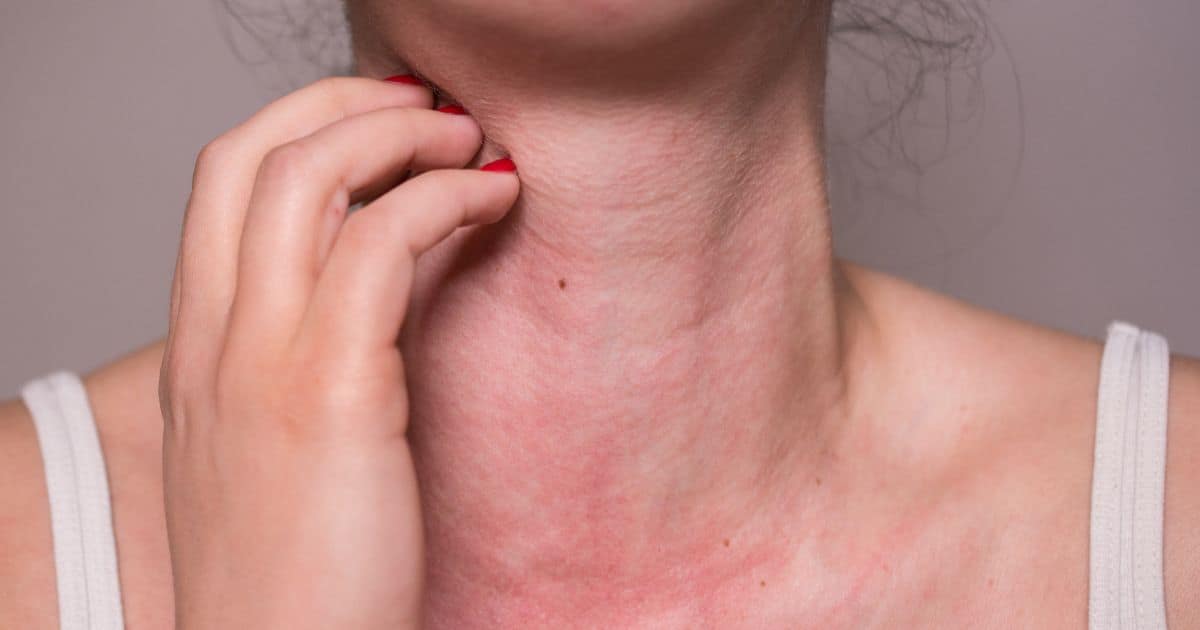
Metal allergy symptoms and their onset are a textbook example of what’s known as delayed-type hypersensitivity (type IV immune reaction). This means the reaction doesn’t appear immediately after putting on earrings — it shows up later, typically within 24 to 72 hours. This is often confusing, because you might not connect a weekend rash with the new belt you wore on Thursday. The skin at the point of contact begins to itch, turns red, and small fluid-filled blisters may appear. If contact with the allergen continues over time, the skin thickens, dries out and can crack painfully. This condition is called allergic contact dermatitis.
Diagnosis — patch testing is the gold standard
If you suspect a metal might be behind your eczema, the only reliable way to confirm it is with epicutaneous tests — known as patch tests. These are carried out by a dermatologist or allergist. Special patches containing small chambers with standardised concentrations of the most common allergens, including metals, are applied to your back.
As part of the European Baseline Series, the following metals are tested:
The most common include: Nickel sulfate (5%), Potassium dichromate (0.5%), Cobalt chloride (1%) and Gold sodium thiosulfate (0.5%).
The patches stay on your back for 48 hours. After removal, the doctor performs the first reading of the reaction. However, the second reading 24 to 48 hours later (i.e. 72 or 96 hours after application) is crucial, because reactions to metals typically peak during this window. It’s important that the tests aren’t carried out while your eczema is active and flaring, as this could lead to false-positive results. Make sure you book in with a specialist who can talk you through the entire process.
How metal allergy can affect your daily life
Living with a metal allergy demands a certain vigilance and can be frustrating. Suddenly you need to watch out for things other people never think twice about. Your jewellery options shrink to verified materials, and you can forget about cheap costume jewellery allergy-triggering pieces. When shopping for clothes, you check whether the trouser button sits directly against your skin. Some eyeshadows can contain traces of cobalt and trigger a reaction on your eyelids. In extreme cases, a nickel or cobalt allergy can even complicate the choice of dental braces or joint replacements. It’s essentially a matter of constant awareness and finding alternatives.
Can only earrings cause redness?
Yes, and it’s absolutely common. Skin on different parts of the body varies in thickness and sensitivity. Earlobes have very thin skin and are constantly exposed to friction and sweat, which makes it easier for metal ions to penetrate. That’s why nickel allergy often first appears after ear piercing and wearing unsuitable earrings. So it’s entirely possible that earrings bother you while a bracelet made of the same material causes no trouble at all. If your allergy is severe, though, it’s best to avoid the problematic metal across your entire body.
Alternative materials for sensitive skin
Fortunately, there are plenty of safe and beautiful materials you can enjoy even with sensitive skin. You just need to know what to look for.
Safe metals for jewellery
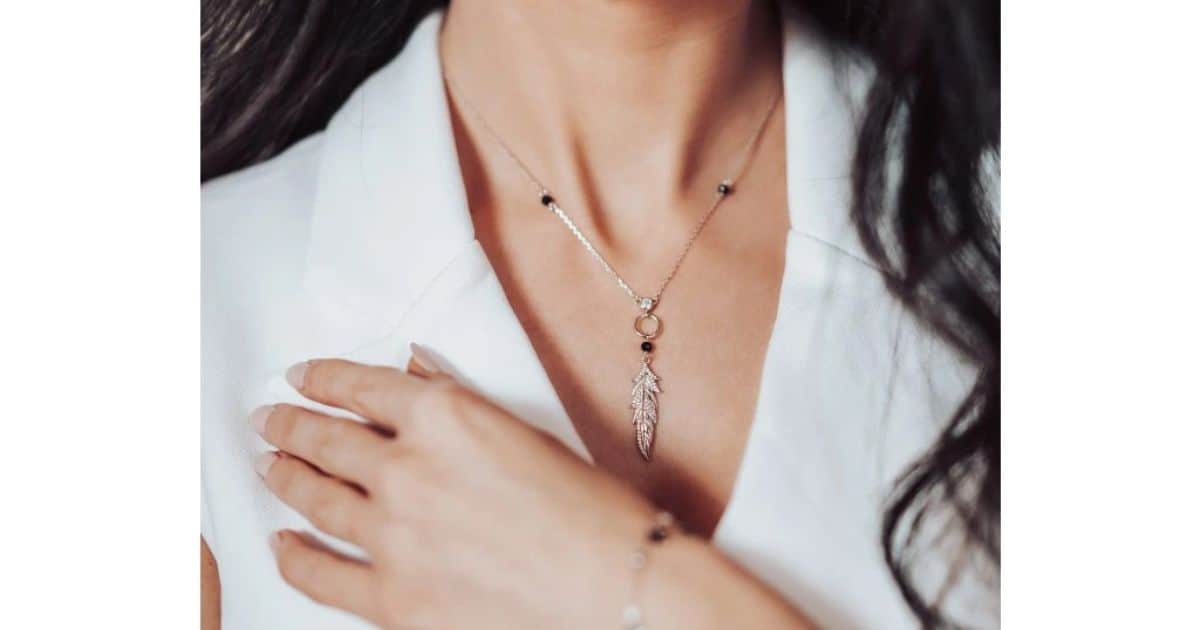
Among the best-tolerated materials is titanium, which is also used to make orthopaedic implants. It’s lightweight, strong and biocompatible. Another excellent choice is platinum, or the lesser-known but equally safe niobium. With gold, the higher the purity, the lower the risk — go for 14-carat gold or higher. Silver is generally safe, but look for quality sterling silver (925/1000), ideally with a rhodium plating that prevents oxidation and direct skin contact with the alloy.
What about surgical steel?
Surgical steel is a bit more complicated. The commonly used grade is 316L, which is considered hypoallergenic. It does contain nickel, but the nickel is bound so tightly within the crystal lattice that only a minimal amount is released — well below the EU limit. Most people with a nickel allergy tolerate it just fine. If you’re extremely sensitive, however, even this small amount could cause a reaction. Look for jewellery labelled “nickel-free” in accordance with EU standards.
Materials for piercings
For a fresh piercing, the choice of material is absolutely critical. A professional piercer should always offer you jewellery made from implant-grade titanium (designated ASTM F-136). Alternatives include biocompatible plastics such as PTFE or bioplast, which are completely metal-free.
Can metal allergy be cured?
Unfortunately, metal allergy cannot be cured in the true sense of the word. Once the immune system has learned to react to a particular metal, it remembers forever. Managing this allergy therefore rests on one fundamental principle: avoiding contact with the allergen.
This requires enormous patience. Many people feel frustrated that even after they stop wearing the offending piece of jewellery, the eczema doesn’t go away. It’s important to understand that skin needs time to recover. Even after complete removal of the allergen, studies show it takes 6 to 8 weeks before visible improvement occurs. Full restoration of the skin barrier and complete healing can take 3 to 6 months. During this time, the skin remains hypersensitive and may react even to ordinary irritants.
What helps relieve symptoms
If an allergic reaction flares up despite all your precautions, there are ways to calm it down. In the acute phase, when the skin is itchy and inflamed, your dermatologist will likely prescribe a topical corticosteroid cream or ointment. These are used short-term to suppress the worst of the inflammation. For sensitive areas like the face or eyelids, creams containing tacrolimus are more suitable. Over-the-counter antihistamine tablets can help ease the itching.
The absolute foundation of care for eczema-prone skin, however, is regular moisturising. Use high-quality barrier creams (emollients) from a pharmacy — they help restore the damaged skin barrier and keep your skin hydrated and more resilient.
💍 What to do about a metal allergy reaction
For an acute reaction under a watch or from jewellery, try a soothing AtopCare cream. To identify the specific metal (a patch test requires a dermatologist), you could start with a home screening test.
📖 You might also be interested in
Conclusion
A metal allergy might sound like a lifelong limitation, but with the right information, you can live with it perfectly comfortably. The most important thing is knowing exactly which metal bothers you, then learning to spot it and avoid it in everyday life. It’s not about giving up all accessories — it’s about knowing how to choose the right, safe ones. Think of it as an opportunity to discover the beauty of materials like titanium, platinum or high-quality gold.
What can you do today? If you suspect a metal allergy, go through your jewellery box, check the buckles on your belts and the buttons on your trousers. Try removing the suspect pieces for a few weeks and see what happens to your skin. And if eczema has been bothering you long-term and isn’t improving, don’t hesitate — book an appointment with a dermatologist. Patch tests will give you certainty, and you’ll finally know where you stand.
Frequently asked questions
How quickly does nickel allergy appear?
In already sensitised patients, a rash appears within 24–48 hours of contact. First comes redness and itching, followed by papules or vesicles. With prolonged contact (e.g. a belt buckle), it can progress to chronic eczema.
Is gold allergy real?
Yes, but it’s rarer than nickel allergy. It tends to become clinically relevant with prolonged contact (wedding rings, watches). White gold often contains palladium or nickel, so the reaction may be to those metals rather than gold itself.
Can I get a piercing if I have a nickel allergy?
Yes, but only with safe materials: implant-grade titanium grade 23, 14ct+ gold, niobium or PTFE. Standard surgical steel contains traces of nickel and isn’t safe. Always get your first piercing done with titanium.
What about phones or watches with a metal allergy?
Keep your phone in a case (a silicone cover eliminates contact). For watches, choose a leather or silicone strap, or go for a titanium model. Metal parts of a watch can be coated with clear nail varnish — it’s a temporary fix, but it works.
Can nickel allergy be cured?
No — it’s a type IV delayed hypersensitivity reaction. Once sensitised, always sensitised. The goal of treatment is to avoid contact. Acute flare-ups are managed by a dermatologist with corticosteroid creams and antihistamines.
Frequently asked questions (FAQ)
Nickel allergy is a delayed reaction. Symptoms such as itching, redness and blisters typically appear 24 to 72 hours after contact with the metal. Don’t expect an immediate response.
Yes, although it’s less common than nickel allergy. The problem usually isn’t pure gold but its alloys with other metals. In the acidic environment of sweat, gold ions can be released from jewellery and trigger an allergic reaction in sensitive individuals.
Absolutely — but the material matters. For both fresh and healed piercings, choose jewellery made from implant-grade titanium (ASTM F-136), niobium or biocompatible plastics like PTFE. Avoid surgical steel if you’re highly sensitive.
Some phones and watches may have metal parts containing nickel. The simplest solution is to use a protective case (plastic or silicone) that prevents direct skin-to-metal contact. For watches, choose models with a titanium body or swap a metal strap for a silicone, leather or fabric one.
Nickel allergy — and metal allergy in general — cannot be fully cured. Once the immune system has formed a memory, it’s a permanent condition. Treatment revolves around consistently avoiding contact with the allergen and caring for the skin barrier, which leads to a completely symptom-free life.