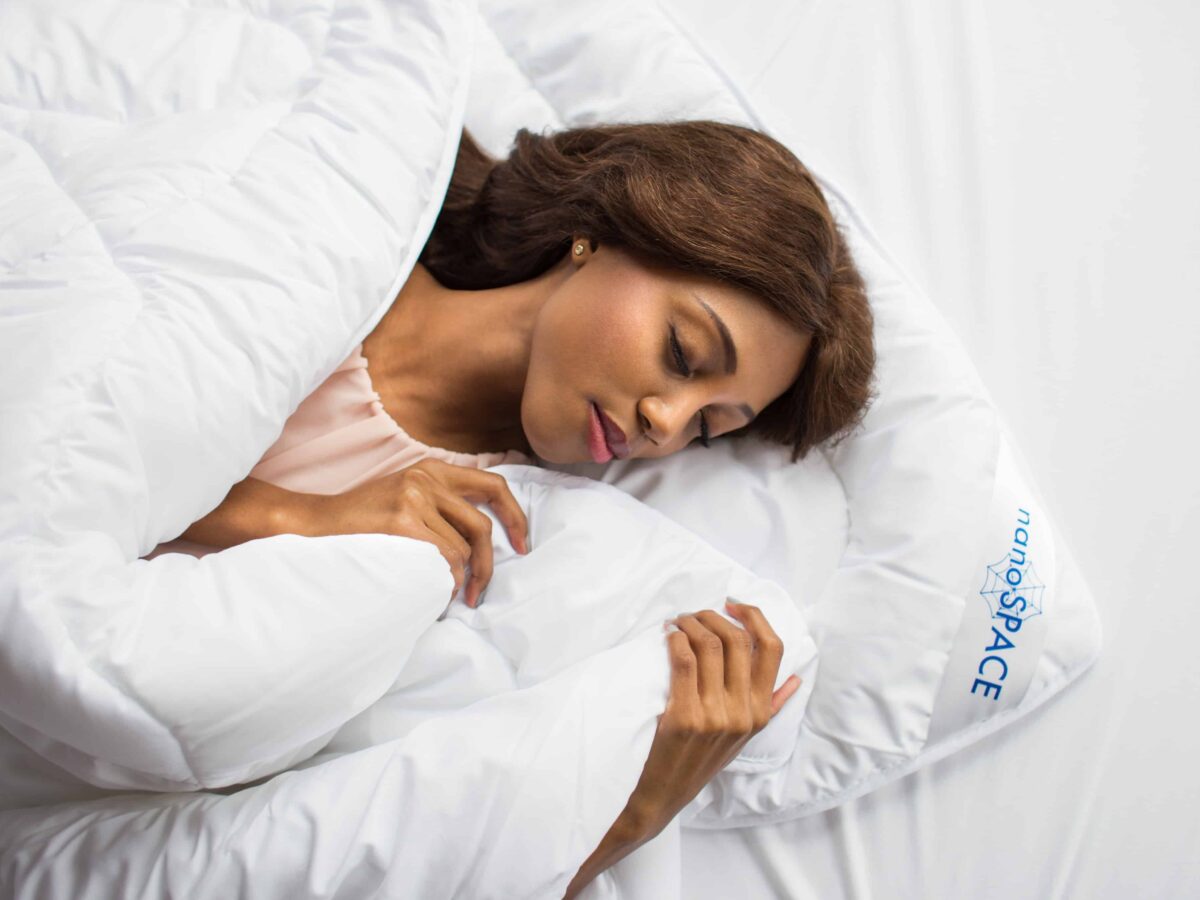
Yawning, a puffy face, and other signs of sleepiness affect your quality of life more than you might think. But better sleep doesn’t have to be a pipe dream. What if you tried an experiment that could make your sleep problems a thing of the past? All it takes is following these 7 tips for better sleep — let’s dive in.
Why Can’t I Sleep: Causes of Insomnia
Insomnia can be caused by a number of different factors. In the list below, you’ll find the most common causes of sleep problems — and chances are, at least one of them applies to you.
- Stress and anxiety – One of the leading causes of insomnia is stress and anxiety. When you’re under pressure and your mind is full of worries, it’s incredibly hard to relax and fall asleep.
- Poor sleep schedule – Bad sleep habits can also lead to insomnia. For example, going to bed and waking up at irregular times, sleeping too long during the day, or taking frequent afternoon naps.
- An unsuitable sleep environment – Noise, excessive light, an uncomfortable bed, or the wrong room temperature can all disrupt your sleep quality and cause insomnia.
- Stimulant consumption – Caffeine, alcohol, nicotine, and other stimulants can have a negative impact on your sleep. These substances stimulate the nervous system, which leads to restless sleep.
- Bad habits – Certain unhelpful habits can also cause insomnia. Think excessive screen time before bed, large meals or drinks close to bedtime, or a lack of physical activity.

How Does Lack of Sleep Affect Your Health?
Sleep disorders have a seriously negative impact on your health and overall well-being. Insomnia can lead to any of the following problems:
- A weakened immune system
- Increased risk of heart disease
- Mood disorders and worsened mental health
- Impaired memory and attention
- Increased risk of diabetes
- Anxiety and depression
- Reduced concentration and productivity
- Strained personal relationships
What Helps You Sleep Better?
At 3 a.m., sleep can feel like an impossible dream — but you have more control over your sleep than you realise. If you practise good sleep hygiene, fatigue and sleepless nights don’t have to be part of your future.
Research has identified a range of habits and practices — collectively known as sleep hygiene — that can help even people who suffer from insomnia, jet lag, or rotating shift work to fall asleep more easily.
Sleep hygiene might sound like a buzzword, but it’s an approach that can give you better sleep for life. Here are some habit-building tips backed by researchers from prestigious universities such as Harvard and Columbia University.

Tip #1: Keep Your Body’s Sleep Cycle in Sync
Keeping your body’s sleep cycle in sync is one of the most important strategies for achieving better, higher-quality sleep. What does that actually mean? Waking up and going to bed at the same time every day — including weekends. The more you sleep in at the weekend, the more tired you’ll feel. If you like to sneak in a quick nap during the day, keep it under 20 minutes.
If you struggle to fall asleep at night, you should skip daytime naps altogether. Also remember that it’s not healthy to go to bed earlier than usual, even if you feel exhausted. In those cases, get up from the sofa and do something — wash the dishes or have a long bath.
Stick with this, and you’ll soon notice a drop in fatigue and a rise in energy levels.
- Go to bed and wake up at the same time
- Avoid sleeping in at weekends
- If you have trouble falling asleep, skip daytime naps
Tip #2: Control Your Light Exposure
Melatonin is a naturally occurring hormone controlled by your exposure to light, and it governs your entire sleep cycle. Your brain produces more melatonin when it’s dark and less when it’s light.
In the morning, try to expose yourself to as much sunlight as possible — ideally as soon as you wake up. Have your coffee outside, or eat breakfast by a window that lets in plenty of sunlight. Light on your face will help you wake up properly.
During the day, try to spend as much time in natural light as you can. Exercise outdoors, walk the dog, and if you have a break at work, step outside. Choose spaces based on how much natural light they get.
One to two hours before bedtime, avoid bright light — especially the screens of our beloved computers, tablets, TVs, and smartphones. If you need to use a computer, install an app that adjusts the screen’s colour temperature based on the time of day.
When you actually go to bed, block out your windows and switch off all sources of disruptive light. If you need to get up during the night, try not to turn on too many lights. A torch works best.
Tip #3: Exercise During the Day
Regular exercise can help you sleep better and fall asleep faster. It also reduces symptoms of insomnia. Exercise speeds up your metabolism, raises your body temperature, and stimulates hormones — which is exactly why you shouldn’t work out right before bed, as it can actually delay sleep.
Aim to finish exercising at least three hours before bedtime. That said, gentle yoga or stretching just before bed is perfectly fine.
You don’t need complicated workout routines or gruelling gym sessions. Even a 10-minute walk can improve your sleep. It may take several months of regular activity before you feel a real difference, though — so be patient and combine exercise with the other habits in this article for the best results.

Tip #4: Eat and Drink Wisely
- Cut back on caffeine and alcohol after lunch.
- Avoid large meals at least two hours before bedtime.
- Be careful with alcohol close to bedtime — although it may help you relax, it disrupts your sleep cycle and can lead to insomnia or frequent waking.
- Reduce your fluid intake before bed so your body isn’t forced to wake up for a trip to the bathroom.
Tip #5: Spend the Hour Before Bed on Relaxing Activities Only
Stop thinking about the things that stressed you out during the day or the important meetings waiting for you tomorrow. You won’t solve anything in the hour before bed — but a good night’s sleep will help. If you dwell on stressful moments or unpleasant upcoming events, you’re more likely to end up with nightmares.
Clear your mind:
- Treat yourself to a long bath
- Slip into comfortable pyjamas, a nightgown, or your favourite dressing gown so you feel cosy
- Listen to calming music
- Do some gentle stretches
- Read a book or your favourite magazine under dim light
- Listen to a favourite podcast
- Lay out your clothes, food, or bag for the next day
- Dim the lights or light some candles
- Meditate

Tip #6: Set Up Your Bedroom for Sleep
Your bedroom should be the quietest room in the house, with as few distractions as possible and a lower temperature than most other rooms. The ideal sleeping temperature is 18 °C, so airing out the room before bed is a good idea.
Don’t skimp on your mattress. Choose one that’s truly comfortable for you. If you’re sensitive or suffer from allergies, you should also protect yourself against dust mites. Allergens can wear your body down overnight, leaving you feeling exhausted even after a full eight hours of sleep.
It’s a good idea to protect your mattress with an anti-dust-mite mattress cover and invest in anti-dust-mite pillows and duvets, or anti-dust-mite bedding made from Nanocotton.
Tip #7: Learn How to Fall Back Asleep
It’s completely normal to wake up during the night or earlier than planned. It could be something as trivial as neighbours coming back from a party or pre-morning nerves about the day ahead. When it happens, here’s what to do.
Try not to stress about not being able to fall back asleep. It might sound difficult, but if you start stressing, you really won’t drift off again. Focus on your breathing and try to let go of all your thoughts. Aim for relaxation, not sleep. If you know any meditation techniques, use them.
Sleep is the most important activity of your day. Not getting enough can lead to stress and a bad mood — and both of these take a serious toll on your personal and professional life. Good sleep hygiene isn’t just for people who struggle with falling asleep or insomnia; it’s for everyone who wants to feel fit and full of energy.
TIP: What light spectrum works best for each room in your home?