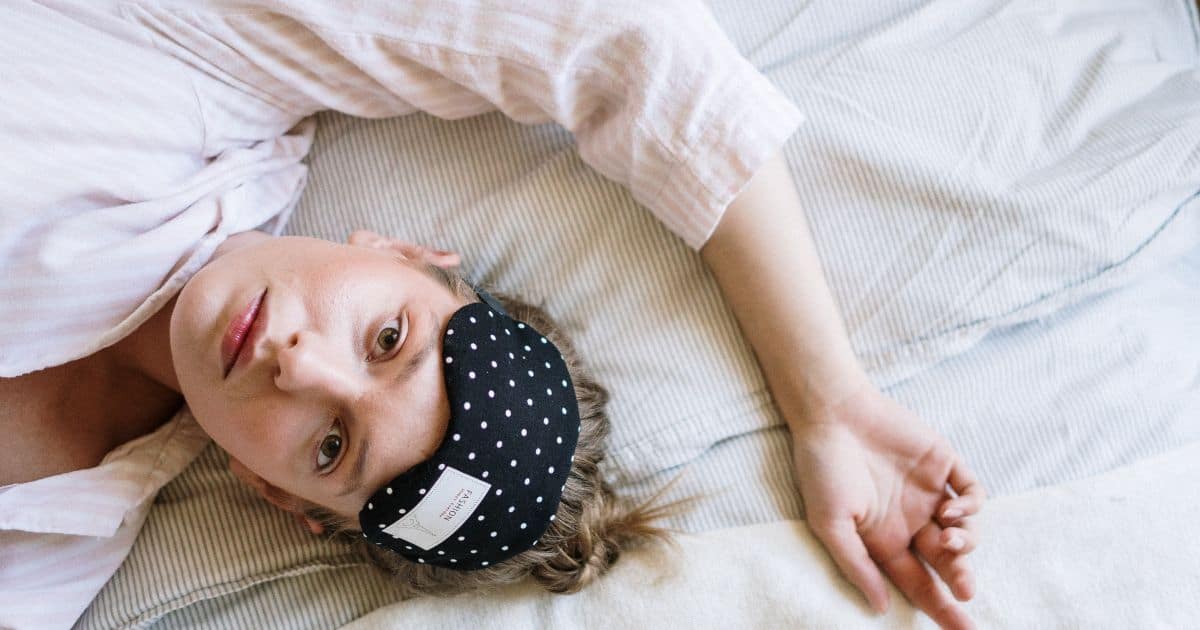
Six years of data on airborne toxins have shown that the more people are exposed to nitrogen dioxide and particulate matter, the worse their sleep quality becomes. Scientists from the University of Washington claim that polluted environments are behind both reduced sleep quality and quantity. Today, we’ll look at how air purifiers improve sleep and help tackle the problem of poor rest caused by dirty air.
Several companies have already developed products that can improve the air in your bedroom, from air purifiers to self-cleaning coatings.
What Pollutes the Air?
The air we breathe is one of our most essential needs. Unfortunately, it’s becoming increasingly polluted by a range of factors. To be specific, the main culprits include:
- Vehicle exhaust fumes – Cars and other vehicles with internal combustion engines produce harmful substances such as carbon dioxide, nitrogen dioxide, and hydrocarbons. These emissions have a negative impact on air quality and contribute to global warming.
- Industrial plants – Emissions from industrial facilities contain various chemicals, including heavy metals, sulphur compounds, and nitrogen compounds. These substances can have toxic effects on human health and damage the environment.
- Fossil fuels – Burning fossil fuels like coal and oil releases carbon dioxide emissions, which are one of the key drivers of global warming and climate change.
- Agriculture – Farming is another source of air pollution. The large-scale use of fertilisers and pesticides can lead to the release of ammonia and other chemicals into the atmosphere.
- Certain natural sources – Beyond human-made pollution, natural sources also contribute to overall air contamination. Volcanic eruptions, for example, release toxic gases and particles into the air. Wildfires likewise produce large amounts of smoke and harmful substances.
How Polluted Air Affects Sleep Quality
“Your nose, your sinuses, and your throat can become so irritated by these toxic substances that it may cause sleep disturbances and breathing difficulties,” said Martha Billings, a professor at the University of Washington School of Medicine and co-author of the study, speaking to The Guardian. She noted that pollutants pass into the bloodstream and can affect the brain, thereby disrupting the regulation of breathing.

Study participants who were exposed to the highest levels of air pollution over a five-year period were far more likely to fall into the worst-sleeping group than those who didn’t breathe in as many pollutants.
Looking at the numbers more closely, high levels of nitrogen dioxide increased the likelihood of low sleep efficiency by 60%, while particulate matter raised it by 50%. The higher the toxin levels, the longer people tossed and turned in bed before actually falling asleep.
How to Keep the Air Clean at Home
If the previous paragraphs alarmed you a little, here’s the good news: there are solutions. In recent years, a number of projects have emerged that aim to improve the air quality in your home — helping you achieve better sleep and much more.
Air Purifiers
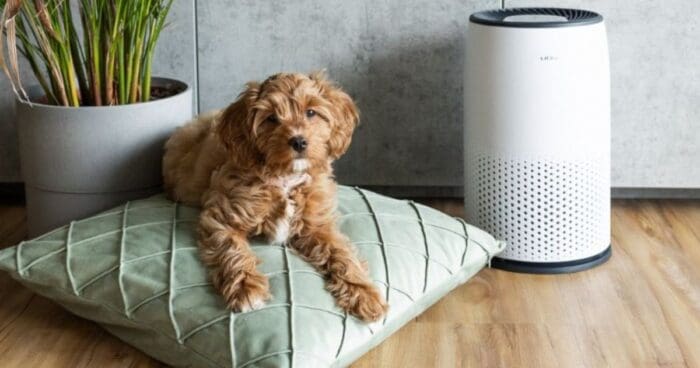
The most effective air purifiers are those equipped with a HEPA filter — specifically a HEPA 12 or HEPA 13 filter. A HEPA filter can capture 99.98% of particles, including dust. It’s also worth considering a purifier with activated carbon filters, which can trap certain odour-causing molecules from the air. These filters most commonly complement HEPA-equipped purifiers, since on their own they cannot deal with mechanical particles.
Read our guide on how to choose the right air purifier.
Photocatalytic Coatings
A similar approach — though slightly more involved to apply — involves photocatalytic coatings. Simply paint your room’s walls or ceiling with these coatings. As long as there’s enough light, the active layer cleans the air and is even self-cleaning. Once you’ve coated all the walls, you won’t need to repaint them. The surface doesn’t accumulate grime and maintains its appearance over time.
“These coatings have already been tested in hotels, doctors’ surgeries, and nurseries. The results are excellent — in nurseries, illness rates among children dropped by more than 50%,” says Kůs.
More Tips for Better Sleep
Quality sleep is a key factor in our physical and mental health. Improving your sleep brings a wealth of benefits, including more energy, a stronger immune system, and greater productivity during the day. The foundation of good sleep is the right sleeping environment.
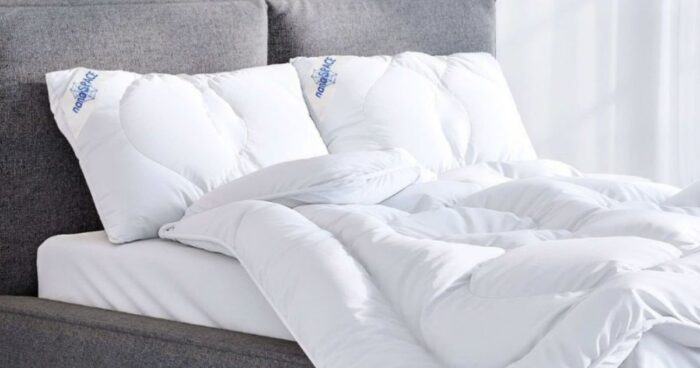
So how do you sleep well? Beyond a comfortable bed dressed in anti-dust-mite bedding, your bedroom should be quiet and dark — outside noise and light can easily disrupt your rest. Don’t forget about room temperature, which should be around 18 degrees Celsius, and pay attention to air cleanliness too.
Now you know the remedy for ensuring better sleep — not just for yourself, but for everyone in your household. Cleaner air doesn’t only guarantee better rest; it also creates an ideal environment for allergy sufferers.
Read more tips on how to get a good night’s sleep.
Frequently Asked Questions
What is an air purifier for?
Home air purifiers effectively remove pollen, bacteria, and viruses from the air. Models with activated carbon filters also absorb odours and gases — most commonly formaldehyde, which is released from furniture, among other sources.
How to use an air purifier?
Clean or replace the filters regularly. An air purifier cannot work effectively with a clogged filter. As a rule, you should replace pleated filters (or clean washable/vacuumable ones) every 6–12 months, and activated carbon filters every 3 months.
How to choose an air purifier?
When choosing an air purifier, pay attention to these parameters: airflow rate, filtration efficiency, minimum particle capture size, room size, noise level, number of modes (speeds), and power consumption. You’ll find a detailed guide here.
How does an air purifier work?
It depends on the type of air purifier. A standard purifier with a mechanical filter uses a fan to draw room air through one or more filters, capturing dust, bacteria, viruses, and — with certain filters — volatile or toxic gases. There are also air purifiers that work on the principle of ozone generation or photocatalysis.