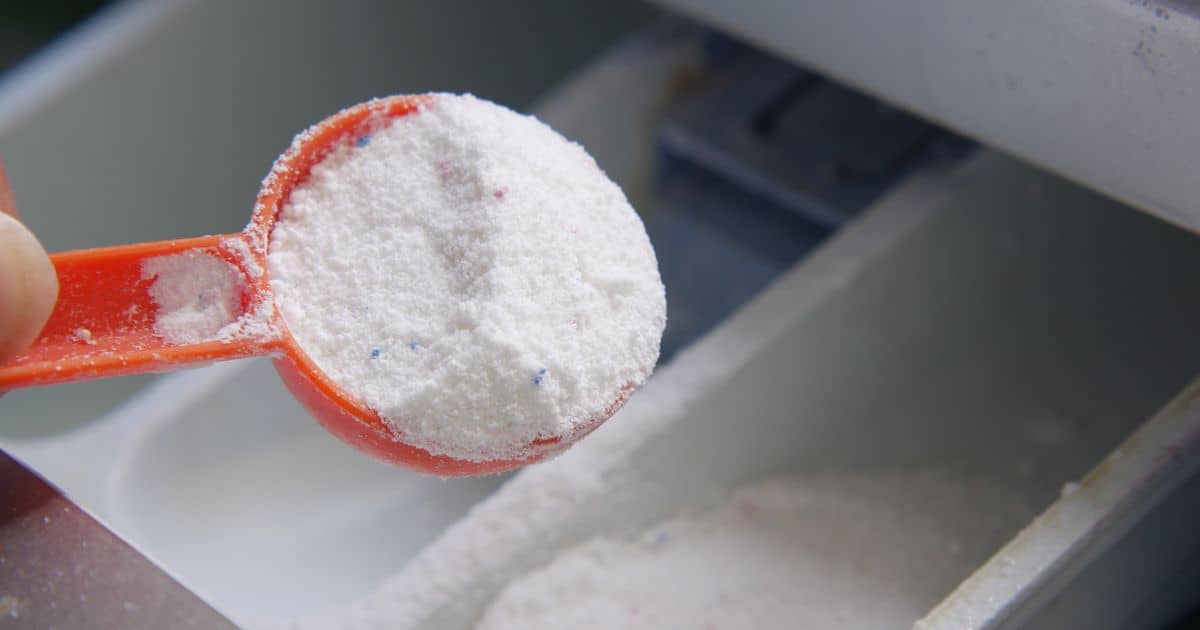
An itchy rash that seems to appear out of nowhere can seriously disrupt your life. When I read through readers’ experiences and dermatologists’ reports, the culprit is often something as mundane as laundry detergent. The problem isn’t the dirt in your clothes — it’s the chemical residues left behind in the fabric after washing. Let’s take a detailed look at what a laundry detergent allergy looks like, which ingredients cause it, and how to choose a product that will finally give your skin some peace.
TL;DR
- It’s a reaction to chemicals, not dirt. Your immune system reacts to traces of fragrance, preservatives, or optical brighteners that remain embedded in clothing fibres.
- Fragrances and preservatives are the main culprits. Substances such as Linalool, Limonene, and the notorious Methylisothiazolinone (MIT) are among the most common triggers of contact eczema.
- “Hypoallergenic” is no guarantee. The term has no legal definition. Look for fragrance-free products, certifications (e.g. EU Ecolabel), and dermatological testing.
- Fabric softener is often unnecessary — and irritating. It adds another layer of fragrance and cationic surfactants to your clothes, which can burden sensitive skin needlessly.
- A proper diagnosis is essential. If you suspect an allergy, see a dermatologist or allergist. Only patch testing (epicutaneous testing) can reliably identify the specific allergen.
How does a laundry detergent allergy develop?
Your skin is the largest organ in your body, constantly balancing between tolerance and inflammation. Problems caused by laundry products fall into two basic categories. They may look similar on the surface, but their underlying mechanisms are completely different.
1. Irritant contact dermatitis (ICD): This isn’t a true allergy. It’s direct damage to the skin barrier caused by an aggressive chemical — think of it as a chemical burn on a small scale. Anionic surfactants (e.g. SLS/SLES) or a high-pH detergent can strip the skin’s protective lipid film, leading to dryness, redness, and cracking. The reaction occurs relatively quickly and can affect anyone exposed to a high enough concentration of the irritant.
2. Allergic contact dermatitis (ACD): This is a true allergy — a type IV immune reaction (delayed hypersensitivity). It requires two phases. In the first, the sensitisation phase, a small molecule (hapten) from the detergent penetrates the skin, binds to a skin protein, and the immune system flags this complex as an enemy. This process happens silently, with no visible symptoms. On subsequent contact with the same substance (the elicitation phase), the immune system mounts a full response, triggering an inflammatory cascade that manifests as eczema. Once you’ve been sensitised, you’re likely sensitive to that substance for life.
What are the symptoms of a laundry detergent allergy?
Now you understand what a laundry detergent allergy looks like from an immunological standpoint. But it’s the clinical symptoms that bother you in everyday life. A typical allergic rash appears as itchy, red patches, bumps, or even small blisters. A rash caused by laundry detergent usually shows up where clothing rubs against the skin the most or where you sweat — the armpits, waistband area, inner thighs, and the creases of the elbows and knees. In more severe cases, it can spread across the entire body.
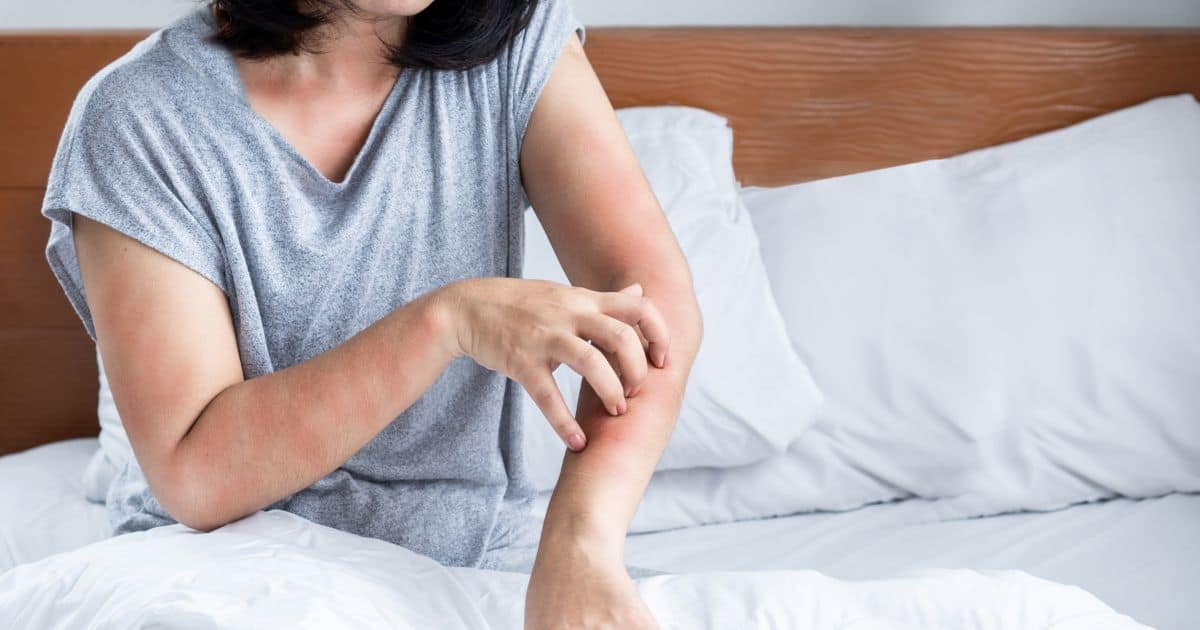
Left untreated, the condition can develop into chronic eczema from laundry products, where the skin becomes permanently dry, thickened, and cracked. Crucially, the reaction in allergic contact dermatitis peaks 48–72 hours after exposure. That’s why you often don’t connect the new T-shirt you put on Monday with the rash that flared up fully on Wednesday.
Which detergent ingredients irritate the most?
Modern laundry detergents contain dozens of chemical substances. Under the updated European legislation (EU Detergent Regulation 648/2004), manufacturers must disclose their ingredients, but making sense of the list is difficult for most people. The table below summarises the most common offenders I encounter in my practice.
| Ingredient (INCI example) | Risk and sensitisation potential | Where to avoid it | Possible alternative |
|---|---|---|---|
| Fragrances (Linalool, Limonene, Citronellol, Geraniol) | High. Fragrance allergy affects up to 16 % of eczema patients. Substances like Linalool also oxidise in air to form stronger allergens (hydroperoxides). | Any product labelled “Parfum”, “Fragrance”, or listing specific allergenic fragrance components. | Products labelled “fragrance-free” or “0 % fragrance”. |
| Preservatives (Methylisothiazolinone – MIT, Methylchloroisothiazolinone – MCI) | Extremely high. MIT caused an epidemic of contact allergies in 2013–2014. Although it is banned in leave-on cosmetics, it is still found in laundry products. | Liquid detergents and pods/capsules, which need preservatives due to their high water content. | Powder detergents (lower preservation needs), products with acid-based preservatives (Benzoic Acid). |
| Optical brighteners (Disodium Distyrylbiphenyl Disulfonate) | Moderate. These substances are not rinsed out — they stay on the fabric to reflect UV light and make clothes look “whiter”. They can irritate the skin and cause photosensitivity. | Conventional detergents for white laundry. | Detergents based on active oxygen (sodium percarbonate), EU Ecolabel-certified products that restrict their use. |
| Enzymes (Protease, Amylase, Lipase, Cellulase) | Low risk for skin, higher for airways. These are proteins that break down stains. They can irritate on direct skin contact, but the main risk is inhaling dust from powder detergents. | Biological laundry detergents. | Non-bio detergents (enzyme-free), liquid detergents or pods where inhalation risk is eliminated. |
| Anionic surfactants (Sodium Laureth Sulfate – SLES, Linear Alkylbenzene Sulfonate – LAS) | Irritant, not primarily allergenic. The main cleaning agents that degrease. They can disrupt the skin barrier and lead to irritant dermatitis. | Cheap, highly foaming laundry products. | Gentler non-ionic or amphoteric surfactants (e.g. sugar-based or coconut-oil-based). |
How to relieve symptoms and get a proper diagnosis
When a rash appears, over-the-counter creams with a mild hydrocortisone content or antihistamines can provide first-line relief for the itching. But that’s just putting out fires. What matters is getting a proper diagnosis. Book an appointment with a dermatologist or allergist who can perform patch testing (epicutaneous testing). It’s the only reliable way to find out exactly which chemical you’re reacting to.
The cornerstone of treatment is complete elimination of the allergen. That sounds simple, but it takes patience. I often hear from patients: “I’ve been using a new detergent for a month and the eczema still hasn’t gone.” Your skin has a memory. Even after you completely remove the offending substance, it takes 6 to 8 weeks before you see significant clinical improvement. Full restoration of the skin barrier can take 3 to 6 months. During this time, your skin is hyper-reactive and may respond even to everyday stimuli.
In the short term, adding an extra rinse cycle can help remove as much detergent residue from your clothes as possible. Long-term, though, the only real solution is switching to a genuinely gentle laundry product. And bear in mind — the problem isn’t limited to laundry. If you have a confirmed contact allergy, you need to be careful with other products too. Similar rules apply as with a cosmetics allergy.
Hypoallergenic alternatives — what do they actually mean?
When shopping for a gentler product, you’ll inevitably come across the term hypoallergenic laundry detergent. It’s important to know, however, that “hypoallergenic” is neither a legally defined nor a regulated term. Any manufacturer can slap it on the packaging. Instead of relying on marketing claims, learn to look for the specific hallmarks of a genuinely gentle product.
Look for “fragrance-free” products
This is the single most important criterion. Products labelled “unscented” may still contain masking fragrances. Only the label “fragrance-free” or “0 % fragrance” guarantees that no fragrance substances have been added.
Read the ingredients (INCI)
With the table above, you already know what to watch out for. Look for products free from MIT/MCI preservatives and optical brighteners. The full ingredients list must be displayed on the packaging or on the manufacturer’s website.
Look for certifications and dermatological testing
Independent certifications are a reliable guide. For example, the EU Ecolabel restricts the use of hazardous substances, including certain preservatives and fragrances. A “dermatologically tested” label is a good sign, ideally with the clarification that testing was carried out on sensitive skin (e.g. using the NIH Skin Comfort method).
Specific brands on the market
Several brands specialise in sensitive skin. Well-regarded options include ranges such as Persil Sensitive, Frosch ECO (especially the aloe vera variant), CLEANEE ECO, Ecover Zero (completely fragrance-free), and Sonett Neutral. Even with these brands, though, I always recommend checking the specific ingredients, as formulations can change over time. You’ll find a more detailed comparison in my review of the best laundry detergent for allergy sufferers.

Fabric softener — do you really need it?
For many people, fabric softener is synonymous with fresh-smelling, soft laundry. For allergy sufferers, however, it’s often just another layer of irritants. The main ingredients in fabric softener are cationic surfactants, which coat textile fibres, smooth them out, and reduce static. The problem is that they also deliver a hefty dose of fragrance and preservatives. Unlike laundry detergent, fabric softener is designed to stay on the fabric, which means prolonged exposure to potential allergens for sensitive skin. A fabric softener allergy is therefore very common.
Do you actually need it? Fabric softener doesn’t remove dirt — its function is purely cosmetic. If you want soft clothes without unnecessary chemicals, try these alternatives:
- White vinegar: Half a cup of vinegar added to the softener compartment softens clothes, removes detergent residues, and helps keep the machine clean. The vinegar smell disappears completely once the laundry dries.
- Wool dryer balls: If you use a tumble dryer, a few wool balls will shorten drying time, soften fabrics, and reduce static cling.
- Simply skip it: The easiest and cheapest alternative. Modern fabrics and washing machines often don’t need fabric softener at all.
Laundry detergent allergy in children
Children’s skin — especially in babies and toddlers — is thinner and its barrier function isn’t fully developed. This makes it far more susceptible to irritation and allergy development. The symptoms mirror those in adults: redness, itching, and a rash that can easily be mistaken for atopic eczema in children. In fact, an unsuitable laundry detergent can significantly worsen existing eczema.
The strictest rules apply when washing children’s clothing. Always choose products explicitly designed for children or certified for sensitive skin — absolutely free from fragrance, dyes, and optical brighteners. I also recommend always adding an extra rinse cycle and washing new clothes before they’re worn for the first time to remove manufacturing chemicals.
📖 You might also find useful
🧺 What I use instead of regular detergent
If your skin reacts to laundry detergent, try laundry eggs — they wash without chemicals, using only mechanical action and ceramic pellets. For caring for irritated skin after washing, I use AtopCare cream and wear antibacterial nanofibre clothing.
Conclusion
A laundry detergent allergy isn’t just an annoying rash — it’s a complex immune reaction to the chemical cocktail we wrap our bodies in every day. Understanding the mechanism, identifying the risky ingredients, and carefully selecting products is the only way to take control of your skin’s health. It’s not about doing less laundry; it’s about washing smarter and with more respect for your body.
As a first practical step, do a quick audit today. Grab your current laundry detergent and gel, look up their full ingredients online, and compare them against the risky substances in the table above. You might be surprised by what you find. This simple exercise will give you a clear idea of where to start making changes.
Frequently asked questions
What does an allergy to liquid laundry detergent look like?
An allergy to liquid laundry detergent presents identically to one caused by powder detergent. It typically involves an itchy rash, redness, bumps, or eczema in areas where clothing contacts the skin. Liquid detergents may actually pose a higher risk due to their greater preservative content.
What does a fabric softener allergy look like?
A fabric softener allergy produces the same skin symptoms as a laundry detergent allergy. Because fabric softener is designed to remain on the fabric, the reaction can be more intense and is often caused by the high concentration of fragrance and cationic surfactants.
Can babies and infants get a laundry detergent allergy?
Yes, and it’s quite common. Children’s skin is much more sensitive and permeable to chemicals. For washing baby and infant clothing, use only specialised fragrance-free products and always add an extra rinse cycle.
How can I tell if a detergent is truly hypoallergenic?
Don’t rely solely on what’s printed on the front of the box. A genuinely gentle product is one whose ingredients list is free from fragrance, dyes, and risky preservatives (MIT/MCI). Look for independent certifications such as the EU Ecolabel or endorsements from dermatological associations.
How quickly does a laundry detergent allergy appear?
A true allergic reaction (contact eczema) is delayed. Symptoms typically begin to appear 24 hours after contact with washed clothing and peak at 48 to 72 hours. Immediate redness is more likely a sign of irritation than allergy.
Do soap nuts work as an alternative?
Soap nuts contain saponins and are a gentle alternative that doesn’t irritate the skin. However, their cleaning performance at lower temperatures and on stubborn stains is considerably weaker than conventional detergents. They’re best suited for lightly soiled laundry.
Should I wash my clothes separately?
If you’re the only person in the household with sensitive skin, it’s a sensible approach. It prevents your clothes from being contaminated by allergen residues from a regular detergent that can linger inside the machine. Ideally, though, the whole household should switch to a gentler product.
Does washing without detergent work?
Washing in water alone — even hot water — only removes light dirt and dust. It’s ineffective against grease, sweat, and organic stains. For a truly clean wash, the surfactants (substances that lower water’s surface tension) found in laundry detergents are essential.
Which detergents do dermatologists recommend?
Dermatologists generally recommend liquid or powder detergents free from fragrance, dyes, and optical brighteners. Specific brands may vary, but they tend to be products with sensitive-skin certifications or endorsements from allergy associations.