
Meat allergy is a complex topic that often raises more questions than it answers. While it’s not among the most common food allergies, diagnosing and managing meat allergy symptoms can be a real challenge for patients and doctors alike. Stories from online forums and conversations with allergists make it clear just how frustrating it can be to track down the cause of symptoms that appear hours after a meal. In this updated 2026 guide, we’ll take a detailed look at the specifics of different types of meat, the increasingly widespread alpha-gal syndrome, and the precise diagnostic methods that can help you take control of your health.
TL;DR
- Meat allergy is rare, but its forms differ significantly — poultry allergy has an entirely different mechanism than red meat allergy.
- The most important form is red meat allergy (beef, pork), often linked to tick bites, leading to what’s known as alpha-gal syndrome.
- Reactions in alpha-gal syndrome are typically delayed by 3 to 6 hours, making it much harder to identify the trigger.
- Reliable diagnosis requires specialised blood tests, particularly component-resolved diagnostics, as standard skin tests may be insufficient.
- The cornerstone of management is strict, targeted elimination of only the type of meat that has been proven to cause problems.
What is meat allergy?
Meat allergy is an immune reaction mediated by IgE antibodies. Your immune system mistakenly identifies a certain component of meat as a threat and launches a defensive response. Unlike most food allergies, where the culprit is a protein, the most common type of red meat allergy is actually triggered by a carbohydrate. Global prevalence is estimated to be low — roughly 1% of the population — though the data is likely underreported due to diagnostic difficulties. The number of diagnosed cases is expected to grow through 2026 as awareness of delayed reactions associated with alpha-gal syndrome increases.
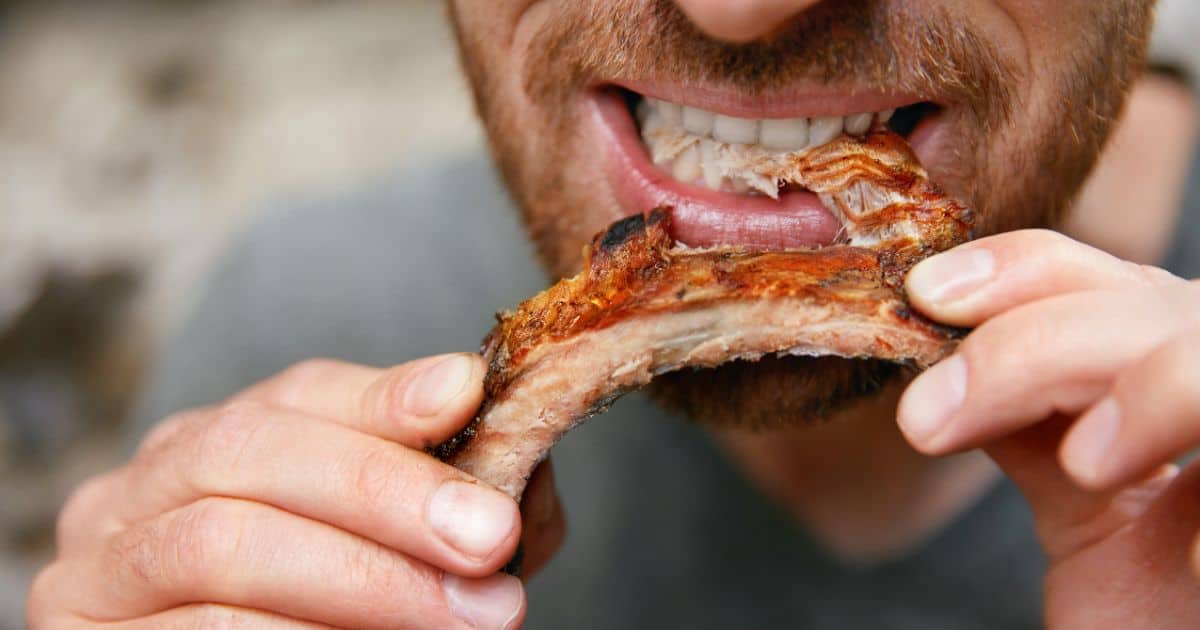
It’s also important to distinguish a true IgE-mediated allergy from a food intolerance. While an allergy is a dramatic immune system response, an intolerance — for example to histamine found in processed meats — is caused by the body’s inability to properly metabolise a particular substance. Its symptoms tend to be less severe.
Alpha-gal syndrome — red meat allergy from tick bites
Alpha-gal syndrome is a fascinating and increasingly widespread phenomenon in allergology. Rather than being an allergy to a protein, as is typical, it’s a reaction to a carbohydrate molecule called galactose-α-1,3-galactose — alpha-gal for short. This carbohydrate occurs naturally in the tissues of all mammals except primates, including humans. Our immune system can therefore recognise it as a foreign substance.
Ticks play a crucial role in the development of this allergy. In Europe, the main vector is the common species Ixodes ricinus. When a tick feeds on an animal (such as a deer or wild boar), the alpha-gal molecule enters its saliva. If that tick then latches onto a human, it transfers this molecule into the bloodstream and sensitises the person’s immune system. The body produces specific IgE antibodies against alpha-gal.
The most insidious aspect is the delayed reaction. While a classic food allergy shows up within minutes, alpha-gal syndrome symptoms don’t appear until 3 to 6 hours after eating red meat (beef, pork, lamb, game). Patients often have no idea that their middle-of-the-night hives or stomach cramps have anything to do with the dinner they ate hours earlier.
The alpha-gal syndrome diet requires completely cutting out mammalian meat. You also need to watch out for by-products such as offal, lard, gelatine (found in gummy sweets and medications), and in some cases dairy products, which may contain trace amounts of alpha-gal. The incidence of this syndrome continues to rise across Europe and the US, likely linked to climate change and the growing spread of tick populations.
Chicken, pork, beef — the differences
Not all meat is created equal. From an allergological standpoint, different types of meat behave very differently. A reaction to chicken has a completely different basis than a reaction to steak. Understanding these differences is essential for accurate diagnosis and dietary recommendations.
Chicken meat allergy
A primary chicken meat allergy is fairly rare. Cross-reactivity is actually more common. The main allergen in chicken is serum albumin (Gal d 5). This protein is thermolabile, meaning it loses its allergenicity when thoroughly cooked or roasted. Some patients can tolerate well-cooked meat but react to medium-done chicken or chicken broth.
A specific phenomenon is the so-called bird-egg syndrome. Patients who are primarily sensitised by inhaling bird antigens (from the feathers of budgerigars, parrots, or even chickens) develop antibodies against serum albumin. These antibodies then cross-react with a similar albumin in egg yolk and, to a lesser extent, in poultry meat. Symptoms after eating the meat tend to be milder than those triggered by raw or soft-boiled eggs.
Pork meat allergy
With pork meat allergy, two main mechanisms need to be distinguished. The first is the already mentioned alpha-gal syndrome, which is responsible for most delayed reactions to pork. The second, less common mechanism is pork-cat syndrome. People who are allergic to cats may be sensitised to feline serum albumin (Fel d 2). This protein is structurally very similar to the albumin in pork (Sus s 1). Eating insufficiently cooked pork (for example, cured ham or a rare steak) can then trigger an allergic reaction. Thorough cooking significantly reduces the risk here as well, because albumins are thermolabile.
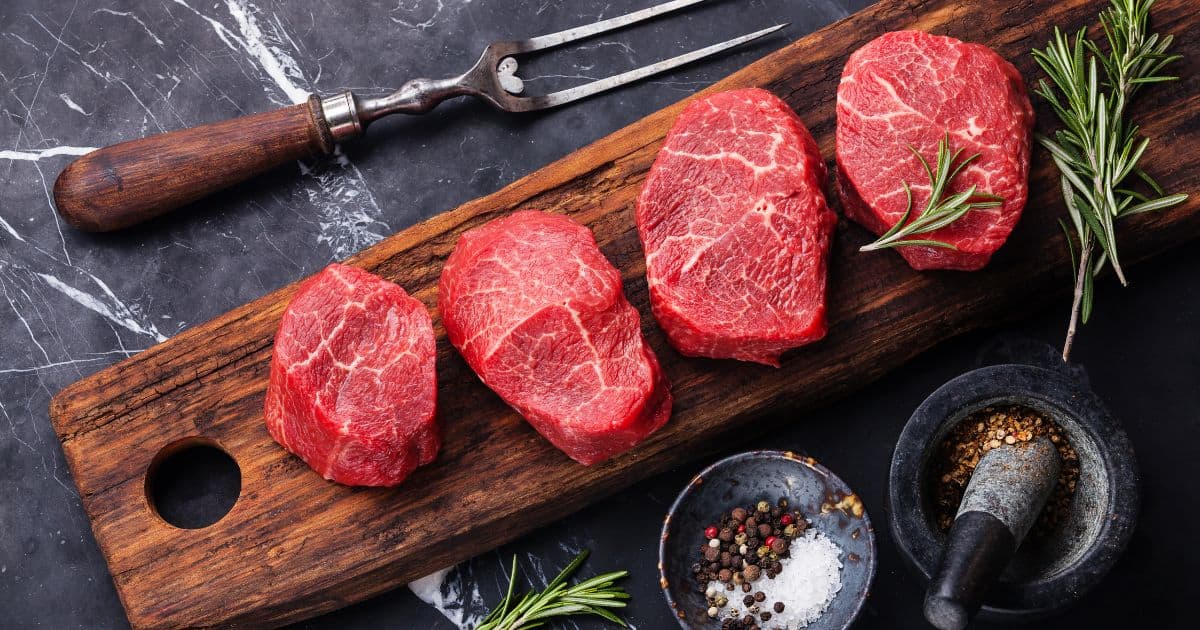
Beef allergy
Beef allergy is also dominated by alpha-gal syndrome with its delayed reactions. Allergy to beef proteins such as bovine serum albumin (Bos d 6) is rarer and often associated with cow’s milk allergy in childhood. Since Bos d 6 is present in both milk and meat, approximately 10–20% of children with a milk allergy may also react to beef. These reactions are usually mild, and tolerance tends to improve with age. Alpha-gal, on the other hand, is a carbohydrate and has no connection to milk protein allergy.
Meat allergy symptoms
The course and range of symptoms depend on the specific allergy mechanism involved. It’s essential to distinguish between an immediate and a delayed reaction. Chicken meat allergy symptoms typically appear quickly, whereas alpha-gal syndrome doesn’t show up until several hours later.
Skin reactions
The most common symptom is an itchy allergic rash, typically hives (urticaria) or angioedema (swelling of the lips, eyelids, or tongue). With delayed reactions, hives may appear in the middle of the night and the patient won’t connect them to their meal.
Gastrointestinal problems
These include cramping abdominal pain, nausea, vomiting, and diarrhoea. These symptoms can be very intense, especially with alpha-gal syndrome.
Respiratory symptoms
Less common but more serious symptoms include a feeling of throat tightness, shortness of breath, wheezing, allergic rhinitis, and coughing.
Systemic reaction (anaphylaxis)
In the most severe cases, anaphylaxis can occur. This is a life-threatening condition that combines multiple symptoms — primarily a drop in blood pressure, rapid pulse, airway swelling, and loss of consciousness. Anaphylaxis is unfortunately relatively common with alpha-gal syndrome.
Diagnosis step by step
Getting the right diagnosis for meat allergy is important and requires a systematic approach under the guidance of an allergist. Self-diagnosis and unnecessary elimination diets can lead to nutritional deficiencies and a reduced quality of life.
1. Detailed medical history
Everything starts with a thorough conversation. Your allergist will ask about the exact time gap between eating meat and the onset of symptoms, the type and preparation of the meat, possible cofactors (alcohol, physical exertion), and any previous tick bites.
2. Skin prick tests (SPT)
Standard skin tests using commercial meat extracts have low reliability for this type of allergy. A much more accurate option is the so-called prick-to-prick test, where the lancet is first dipped into a sample of fresh (raw and cooked) meat and then used to perform the test on the patient’s skin.
3. Blood tests for specific IgE (sIgE)
Laboratory blood tests measure the level of specific IgE antibodies against the whole extract of a given type of meat (beef, pork, chicken). A positive result confirms sensitisation but doesn’t necessarily mean a clinical allergy.
4. Component-resolved diagnostics (CRD)
This is the most precise and absolutely essential method for meat allergy. Instead of examining the whole extract, it looks at IgE antibodies against individual molecules (components). For alpha-gal syndrome, it’s the only reliable method — it tests directly for IgE levels against the alpha-gal carbohydrate. For other allergies, it helps distinguish a primary allergy from cross-reactivity (e.g. testing for Sus s 1 in pork-cat syndrome).
5. Oral food challenge (OFC)
The gold standard for confirming or ruling out a diagnosis is the oral food challenge. It takes place exclusively under medical supervision at a specialised facility, where the patient gradually consumes increasing doses of the meat being tested. This test is performed when other results are inconclusive.

If you suspect a meat allergy, always see an allergist. They’re the only one who can correctly interpret results and recommend the right course of action — helping you avoid both serious reactions and unnecessary dietary restrictions.
Meat allergy treatment
Managing meat allergy rests on several pillars, tailored to the severity and type of reaction in each patient.
Targeted elimination diet
The foundation is consistently removing the confirmed allergen from your diet. Thanks to precise diagnostics, you don’t need to cut out all meat. A patient with alpha-gal syndrome must avoid mammalian meat but can safely eat poultry and fish. Conversely, with bird-egg syndrome, poultry is the problem — not red meat.
Acute medication (antihistamines)
Antihistamines are used to manage milder reactions such as hives or itching. They should be part of your medicine cabinet, but remember — they only suppress symptoms and don’t prevent a reaction.
Emergency anaphylaxis treatment
Every patient at risk of anaphylaxis must carry an adrenaline auto-injector and be thoroughly trained in how to use it. Adrenaline is the only medication that can stop a life-threatening anaphylactic reaction. Similar drug reactions also require immediate intervention.
Education and prevention
You need to learn to read food labels carefully and ask about ingredients when eating at restaurants. Pay particular attention to hidden sources like gelatine in sweets or beef stock in instant soups. For alpha-gal syndrome, rigorous tick bite prevention is essential — use repellents and wear appropriate clothing when spending time outdoors.
📖 You might also find helpful
🧪 Not sure about your diagnosis?
From forums and real-life experiences, we know that food allergies are only confirmed after seeing an allergist — and the first step is usually a test. Home allergy tests can give you an initial indication to discuss with your allergist. To support your immune system during an elimination diet, immune support supplements may also be helpful.
Conclusion
Meat allergy, while not as common as milk or nut allergies, is a diagnostically challenging area full of nuances. Distinguishing between poultry allergy, cross-reactivity syndromes, and — most importantly — delayed red meat allergy (alpha-gal syndrome) is absolutely crucial for proper management. Modern diagnostics, particularly component-resolved testing, fortunately now allows us to pinpoint the exact culprit and spare you from unnecessarily strict and blanket dietary restrictions.
If you suspect this issue might affect you, don’t experiment with diets on your own. Your first and most important step should be keeping a detailed food diary. Write down exactly what you ate and when, and record all symptoms along with the time they appeared. Then take these records to your GP and ask for a referral to an allergist. Accurate data like this is an invaluable guide for allergists on the path to the right diagnosis.
Frequently asked questions
How does chicken meat allergy present?
Chicken meat allergy typically presents quickly, within minutes to two hours after eating. Common symptoms include skin reactions such as hives and swelling, as well as digestive problems (abdominal pain, nausea). Severe reactions are rare.
How quickly does a meat allergy reaction occur?
It depends on the type of allergy. With a classic protein allergy (e.g. to chicken), the reaction comes on quickly — within two hours. With alpha-gal syndrome (red meat allergy), the reaction is characteristically delayed, appearing 3 to 6 hours after eating.
Can alpha-gal syndrome be cured?
Alpha-gal syndrome can spontaneously resolve after several years (typically 3–5) if no further tick bites occur to re-stimulate the immune system. However, this isn’t guaranteed and requires strict tick bite prevention.
Can I eat chicken if I’m allergic to beef?
In most cases, yes. If your beef allergy is caused by alpha-gal syndrome, poultry and fish are safe because they don’t contain this allergen. The allergens in beef and chicken are different, and cross-reactivity between them is very unlikely.
How do you get tested for meat allergy?
Always leave the diagnosis to an allergist. The basis is a blood test for specific IgE antibodies, ideally supplemented with component-resolved diagnostics. This precisely determines whether you’re reacting to the alpha-gal carbohydrate or to a specific protein in the meat.
What are chicken meat allergy symptoms in children?
In children, chicken meat allergy presents similarly to adults. Common symptoms include hives, swelling of the lips or eyes, and digestive problems such as vomiting or diarrhoea. It can sometimes worsen the symptoms of atopic eczema as well.
How does beef allergy present in infants?
Beef allergy in infants is very rare and often associated with a concurrent cow’s milk protein allergy. It can present as worsening eczema, hives, vomiting, or diarrhoea after introducing meat-based weaning foods.
How is meat allergy treated?
The primary approach is targeted elimination of the specific type of meat causing the problems. In cases where there’s a risk of anaphylaxis, an adrenaline auto-injector is essential. Treatment is always individualised and guided by an allergist.
Which meat most commonly causes allergies?
The most common and clinically significant form is red meat allergy (beef, pork) as part of alpha-gal syndrome. Primary allergy to poultry meat is considerably rarer.