
Atopic eczema in the intimate area is a topic that causes significant discomfort and frustration for many patients. It’s not just about the physical symptoms — the psychological burden and impact on quality of life can be just as overwhelming. Through conversations with allergists and stories from women who’ve been through it, I’ve seen first-hand how proper diagnosis and targeted care can bring life-changing relief. In this updated 2026 guide, we’ll take a detailed look at the specifics, diagnosis, and modern treatment strategies for genital eczema.
TL;DR
- Diagnosis is everything: Genital eczema must be distinguished from yeast infections, contact dermatitis, and lichen sclerosus. An accurate diagnosis from a dermatologist is essential for effective treatment.
- Use corticosteroids with caution: Skin in the intimate area absorbs substances up to 30 times more readily. Only use topical corticosteroids short-term, under medical supervision, and taper off gradually to prevent TSW (Topical Steroid Withdrawal).
- Look after your microbiome: Avoid perfumed soaps and synthetic underwear. Use intimate washes with a pH of 4–4.5 and consider topical probiotic care to support your natural balance.
- Night-time itching has a solution: Manage acute nocturnal itching with this protocol: cool compress (10 min), followed by an antihistamine and emollient application. Never use hot water.
- Prevention is proactive care: The key to long-term remission is regular moisturising with barrier creams, wearing loose cotton underwear, and minimising contact with potential irritants and allergens.
What is genital eczema?
Atopic eczema, medically known as atopic dermatitis, is a chronic, non-infectious, inflammatory skin condition with a genetic basis. At its core lies a disrupted skin barrier and immune system dysregulation, which triggers an exaggerated response to ordinary environmental stimuli. While most people associate it with the creases of elbows and knees, it can appear anywhere on the body — including the most sensitive areas.
Eczema in intimate areas can affect anyone regardless of age or sex. In men, it typically appears on the skin of the penis and scrotum. In women, it affects the vulva, labia majora and minora, and the skin around the vaginal opening. Eczema in the groin folds or on the nipples isn’t uncommon either. Because this area is highly sensitive, subject to friction, and naturally moist, symptoms tend to be particularly intense and difficult to manage.
Causes of genital eczema
Atopic eczema is a multifactorial condition. That means its onset and flare-ups are driven by a complex interplay of several factors — not a single cause, but a combination of internal predispositions and external triggers. The same applies when you’re dealing with genital eczema.
Genetic predisposition and barrier dysfunction
The foundation of atopy is a genetically determined skin barrier defect, often linked to mutations in the filaggrin gene. This protein is responsible for maintaining hydration and the integrity of the outermost layer of skin. When filaggrin doesn’t function properly, the skin becomes more permeable — it loses water, dries out, and becomes vulnerable to allergens and irritants from the outside world. This is an especially important factor in genital eczema.
Irritant and contact triggers
Genital skin is thinner and more prone to irritation. Common irritants include harsh cleansers containing sulphates (SLS/SLES), fragrances, wet wipes, and detergent residues in underwear. Contact allergy is another frequent culprit — for example, to metals (nickel in buttons and zips), rubber chemicals (in elastic waistbands), preservatives, or fragrances in lubricants, condoms, and intimate cosmetics. According to 2025 data, up to 16% of eczema patients have a confirmed allergy to fragrance compounds, which makes this a critical factor in intimate hygiene. This is a textbook example of what could be a cosmetic allergy.
Physical factors: Friction and moisture
Constant friction from tight, non-breathable synthetic clothing mechanically damages an already fragile skin barrier. Combined with increased moisture and sweating, this creates the perfect environment for maceration, skin breakdown, and bacterial overgrowth — all of which fuel the inflammatory cycle. Bear in mind that genital eczema can behave quite differently from eczema elsewhere on the body.
Hormonal influences and stress
Hormonal fluctuations can also affect atopic eczema — during the menstrual cycle, pregnancy, or menopause, for instance. And the psychosomatic dimension shouldn’t be overlooked. Stress, anxiety, and emotional tension demonstrably activate immune cells in the skin and release pro-inflammatory mediators, worsening both itching and inflammation. This creates a vicious cycle: eczema causes stress, and stress worsens eczema. When it comes to genital eczema, this connection is always worth considering.
You might also like: Eczema: Types and what actually works
Symptoms of genital eczema
The clinical picture can vary depending on the phase of the condition (acute flare-up vs. chronic state) and individual reactivity. Typical symptoms include:
Intense itching (pruritus)
Itching is the dominant and most distressing symptom. It’s often unbearable, worsening at night, in warmth, and when sweating. Compulsive scratching further damages the skin, opens the door to infection, and sets off the classic itch-scratch cycle. This is the hallmark symptom that patients describe as intimate area itching from allergy.
Redness and inflammation
The affected area is red (erythema), sometimes with mild swelling. During acute flare-ups, small bumps (papules) or blisters (vesicles) may appear, which can weep.
Dryness and flaking
In the chronic phase, inflammation subsides and extreme dryness (xerosis) takes centre stage. The skin feels tight and rough to the touch, and peels in fine flakes.
Skin thickening (lichenification)
With prolonged, repeated scratching and friction, the skin responds with a defensive mechanism — thickening. It becomes coarser, the skin lines become more pronounced, and the colour may shift to a greyish or brownish tone. This is called lichenification and is a sign of a chronic process. The same applies when you’re dealing with genital eczema.
Differential diagnosis: What else could it be?
Itching and a rash in the intimate area don’t automatically mean atopic eczema. From experience, I know how often it gets confused with other conditions, leading to ineffective treatment and unnecessary frustration. An accurate diagnosis from a dermatologist is absolutely essential. Here’s an overview of the most common alternatives:
| Condition | Typical symptoms | Key differences |
|---|---|---|
| Atopic eczema | Intense itching, dry, red skin, flaking. Weeping in the acute phase. No discharge. Often eczema elsewhere on the body too. | Itching is dominant. Skin is primarily dry. Personal or family history of atopy (asthma, hay fever). |
| Yeast infection (candidiasis) | Itching, burning, swelling. Characteristic thick, white, cottage-cheese-like discharge (in women). Skin is bright red, moist, with possible satellite spots. | Presence of characteristic discharge. Warm, moist environment. Often follows antibiotic use or occurs in diabetics. |
| Contact dermatitis | Itching, redness, blisters, weeping. Rash is sharply defined and mirrors the area of contact with the allergen/irritant (e.g. elastic waistband, sanitary pad). | Clear link to a new product (soap, cream, laundry detergent). Rash has a geometric shape. Confirmed by patch testing. |
| Lichen sclerosus | Intense itching, burning, pain. Skin is whitish, thin, “like cigarette paper,” fragile, and cracks easily. Adhesions and narrowing of the vaginal opening may occur. | White colour and atrophy (thinning) of the skin. Often affects postmenopausal women. Diagnosis confirmed by biopsy. Not an allergy — it’s an autoimmune condition. |
How to treat genital eczema
Treatment must always be comprehensive and supervised by a dermatologist. Given the sensitivity of the area, a cautious approach is needed, with products that have minimal irritation potential. The foundations are restoring the skin barrier, controlling inflammation, and breaking the itch-scratch cycle.
The essential pillar: Emollients
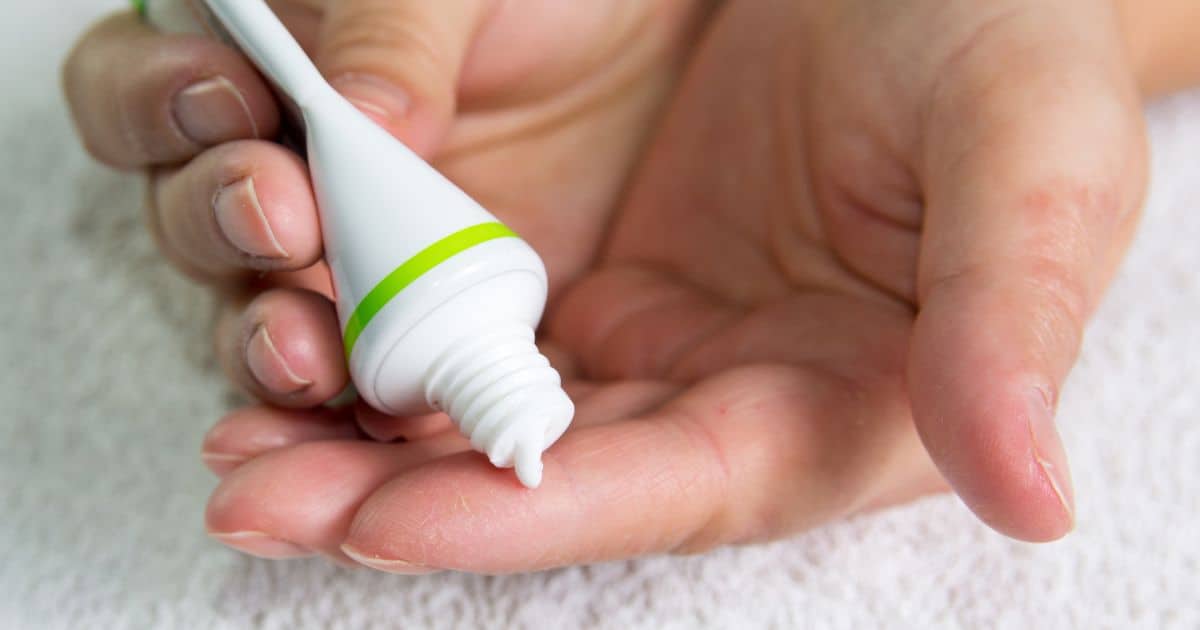
Regular, consistent moisturising is the absolute cornerstone. Emollients (soothing creams and ointments) restore the damaged skin barrier, hydrate, and reduce dryness and itching. Apply them at least twice a day and always after showering. For the intimate area, choose only hypoallergenic eczema creams without fragrance, dyes, or preservatives.
Anti-inflammatory treatment
During an acute phase with active inflammation, your doctor will prescribe topical anti-inflammatory medication. These need to be used very carefully in the genital area, as I’ll discuss in more detail in the next section.
Antihistamines for a peaceful night’s sleep
Oral antihistamines can help with intense night-time itching. Older, sedating types (e.g. dimetindene) can aid sleep, while newer-generation options (cetirizine, loratadine) reduce daytime itching without drowsiness.
Herbal support: With caution
Some herbs can have anti-inflammatory and healing properties. Sitz baths in agrimony or chamomile infusions may soothe irritated skin. However, be aware that chamomile is a common contact allergen. Always test your reaction on a small patch of skin first. Avoid applying undiluted essential oils (especially tea tree and lavender), which can severely irritate the skin or trigger an allergic reaction.
You might also like: Atopic eczema in children: Causes and what to apply
Corticosteroids — when to use them and when not to (TSW in the intimate area)
Topical corticosteroids are highly effective at suppressing inflammation. However, there’s considerable steroid phobia in the patient community — a fear of using them. This fear is partly justified when the medications are used incorrectly, but when applied properly, they’re safe and essential for managing acute flare-ups.
The skin on the genitals, in the armpits, and on the eyelids is extremely thin and highly vascularised. This means absorption of topically applied substances can be up to 30 times higher than on the forearm, for example. For this reason, only mild corticosteroids (e.g. hydrocortisone) are used in the intimate area, for very short periods (typically 5–7 days), and strictly under medical supervision.
Prolonged or improper use of potent corticosteroids carries the risk of side effects such as skin thinning (atrophy), stretch marks (striae), or withdrawal syndrome, known as TSW (Topical Steroid Withdrawal). TSW presents as a sudden, widespread worsening of eczema after abruptly stopping treatment, with burning, swelling, and intense redness. The way to prevent TSW is a gradual tapering strategy — your doctor will recommend reducing the frequency of application step by step (from twice daily to once daily, then every other day, and so on) until the treatment is fully discontinued.
A modern, safer alternative for sensitive areas is topical calcineurin inhibitors (tacrolimus, pimecrolimus). These medications effectively suppress inflammation without the risk of skin atrophy, making them ideal for long-term maintenance therapy in sensitive areas after the acute phase has been managed with corticosteroids.
Intimate area microbiome and probiotics
Skin and mucosal health is inseparable from the balance of the microbiome — the community of bacteria that naturally colonise them. In the female intimate area, lactobacilli (particularly the Lactobacillus genus) play a crucial role. These beneficial bacteria produce lactic acid, maintaining a naturally acidic pH (around 4–4.5) that prevents the overgrowth of pathogenic microorganisms, including yeast.
A number of factors can disrupt this delicate balance:
- Aggressive hygiene: Using alkaline soaps, perfumed shower gels, or douches disrupts the acidic pH and destroys beneficial lactobacilli.
- Synthetic underwear: Non-breathable materials create a moist, warm environment that favours pathogens.
- Frequent washing at high temperatures with harsh detergents: Chemical residues in clothing can irritate the skin and alter its pH.
To support a healthy microbiome, follow a few key principles. Use only intimate hygiene washes with a pH of 4–4.5, without fragrance or sulphates. Wear loose, breathable underwear made from organic cotton. For women with recurrent problems, topical probiotic vaginal care (suppositories, creams) can be beneficial, helping to restore the lactobacillus population and strengthen the mucosa’s natural defences.
💡 Lucie’s recommendation
For the sensitive skin of the intimate area, I use a fragrance-free, preservative-free, SLS-free emollient. AtopCare cream from nanoSPACE works well — you can apply it up to twice daily without irritation. Check out the product page →
What to do about itching at night — immediate relief
Night-time itching can completely wreck your sleep and mental wellbeing. When you wake up with an unbearable urge to scratch, it’s important to have a clear, effective protocol to hand — something that calms things down quickly without damaging your skin. Here’s a practical step-by-step plan for immediate relief:
- Cool, don’t heat: The first step is to dampen the inflammation and calm the nerve endings with cold. Place a cool compress on the affected area for 10 minutes (a clean cloth soaked in cold water or a gel ice pack wrapped in a tea towel). Never use a hot shower! Hot water may feel relieving for a moment, but ultimately dries the skin out even more and worsens the inflammation.
- Take an antihistamine: If your doctor has recommended it, keep an oral antihistamine by your bedside (e.g. cetirizine 10 mg). It helps block histamine, the primary mediator of itching.
- Apply an emollient: Once you’ve patted the area dry after the compress, gently apply a thick layer of your trusted, non-irritating emollient. You can also try the wet wrap technique — place a damp strip of cotton fabric over the emollient and cover it with a dry layer.
- Optimise your bedroom environment: Keep the bedroom at a cooler temperature, ideally between 18–20 °C, with optimal air humidity (40–50%). Dry, overheated air dries out the skin and makes itching worse.
What definitely not to do: Avoid using soap or strong cleansing gels in the middle of the night. Don’t rub the skin with a towel, and resist the temptation to scratch. Instead, try gently tapping or pressing the affected area with your fingertips.
How to prevent eczema in intimate areas
Prevention is just as important as treating an acute flare-up. The goal is to keep your skin in a calm phase (remission) for as long as possible and minimise the number of flare-ups. While you can’t change your genetic predispositions, you can control your triggers.
Proper hygiene is the starting point. Opt for short, lukewarm showers rather than long baths. Use only soap-free cleansers (syndets) or wash oils formulated for atopic skin. After showering, gently pat the skin dry with a soft towel.
When it comes to underwear and clothing, choose loose-fitting styles made from natural, breathable materials like organic cotton or bamboo. Steer clear of synthetics and tight trousers. Wash in gentle, fragrance-free laundry detergents and always add an extra rinse cycle to remove all detergent residues.
Don’t underestimate your sleeping environment either. Bed linen should be made from natural, non-irritating materials. For example, Nanobavlna bedding is made from unbleached organic cotton with an integrated nanofibre membrane that blocks dust mites and their allergens — a significant benefit for anyone with atopy.
TIP: Best bedding for allergy sufferers
Also avoid potential allergens such as perfumed lubricants or latex condoms if you suspect an allergy. Go for water-based products without unnecessary additives and latex-free alternatives instead.
📖 You might also enjoy
Conclusion
Genital eczema is a complex and sensitive issue that demands a patient, well-informed approach. There’s no single miracle cure, but the right combination of an accurate diagnosis, targeted treatment under medical supervision, and proactive preventive measures can lead to significant improvement and long-term disease control. The key is understanding your own skin, identifying your triggers, and committing to consistent, daily care of your skin barrier.
If you’re troubled by any of the symptoms described in this article, don’t hesitate — book an appointment with a dermatologist. That’s the single most important step you can take today. Stop experimenting with unverified products and put yourself in the hands of a specialist who can create a personalised treatment plan for you. Your skin deserves professional care, and you deserve a life free of constant itching and discomfort.
🌿 Gentle care for sensitive areas
For atopic skin in intimate areas, you need a cream free from fragrance, preservatives, and SLS. I’ve had great results with the AtopCare range from nanoSPACE — it can be used several times a day without irritation. During acute flare-ups, sensitive areas also benefit from antibacterial nanofibre underwear.
Frequently asked questions
What should I put on eczema in intimate areas?
Always use hypoallergenic emollients (barrier creams) without fragrance or preservatives. During an acute inflammatory phase, apply medication (a corticosteroid or calcineurin inhibitor) prescribed by your dermatologist, and only for the shortest necessary duration.
How long does genital eczema last?
Atopic eczema is a chronic condition, which means it alternates between periods of remission and flare-ups. An acute phase may clear within days to weeks with proper treatment, but the susceptibility to the condition persists lifelong.
Is eczema in intimate areas contagious?
No, atopic eczema in intimate areas is absolutely not contagious. It is a non-infectious inflammatory skin condition that cannot be transmitted through touch or sexual contact.
Can I have sex with eczema in the intimate area?
Yes, but extra care is needed. Friction can mechanically worsen the eczema. Use plenty of non-irritating water-based lubricant and avoid latex condoms if you suspect an allergy.
How to tell eczema from a yeast infection
A yeast infection is typically accompanied by thick, white, cottage-cheese-like discharge, and the skin tends to be bright red and moist. With atopic eczema, there is no discharge — the skin is primarily dry and flaky, and itching is the main symptom.
Can you get dyshidrotic eczema on the genitals?
Dyshidrotic eczema is a specific type of eczema with deep blisters that typically occurs on the palms, fingers, and soles of the feet. It is extremely rare on the genitals — the condition there is usually atopic or contact eczema.
What does a genital rash mean in children?
A rash in the nappy area in children can have many causes, including nappy rash, yeast infection, and early signs of atopic eczema. It’s essential that a paediatrician or paediatric dermatologist makes the diagnosis and determines the treatment.
Can you get atopic eczema on the nipples?
Yes, atopic eczema can appear on the nipples and areolae. It’s often triggered by friction from clothing, hormonal changes, or a contact reaction to cosmetics. In breastfeeding women, it needs to be distinguished from a yeast infection or cracked nipples (fissures).