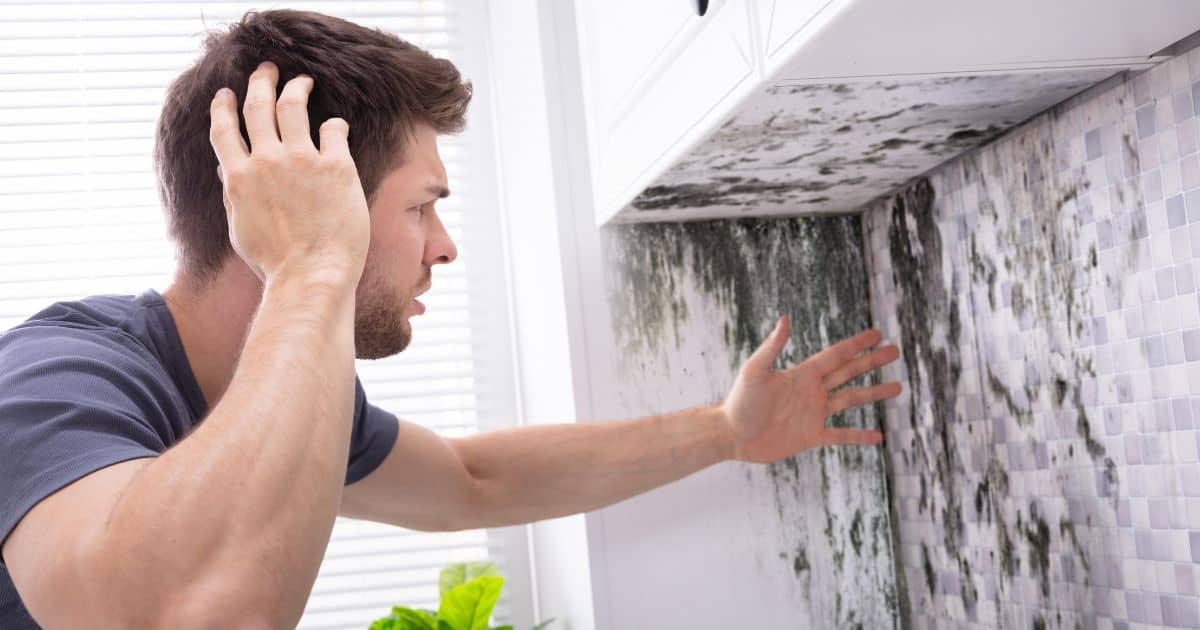
Mould is an unwelcome problem that can take hold in any home. Several species of these microscopic fungi can have a negative effect on your health. In this comprehensive guide to mould prevention and removal, we’ll explore why mould forms, what health issues it can trigger, and how to get rid of it for good.
How does mould form?
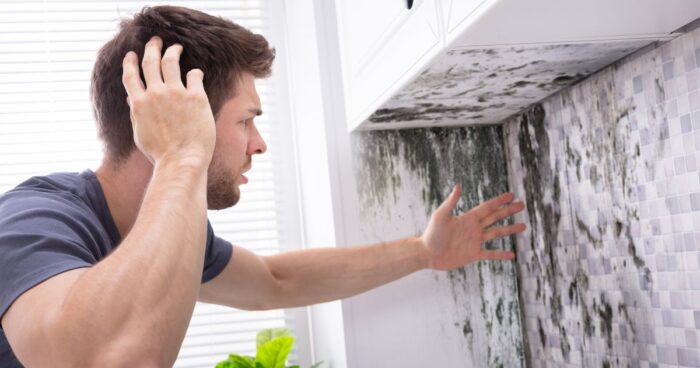
Mould develops from microscopic spores that float through the air. Once these spores land in a suitable environment, they begin to reproduce and form colonies. To grow, mould needs moisture and organic material — think wood, paper, textiles or food. When these materials come into contact with moisture, they create the perfect conditions for mould to thrive.
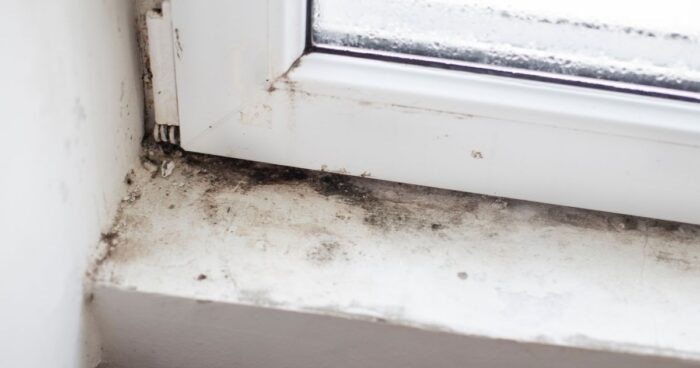
Mould can appear inside the home as well as outdoors. Indoors, it tends to crop up in places with excessive humidity where the temperature hovers around 25 °C. Bathrooms, kitchens, cellars and areas affected by water leaks are the usual culprits. Outdoors, mould can attack plants, trees and building façades.
Learn how to reduce humidity in your home.
Types of mould you may encounter
The most common types of mould include:
- Yeast mould – A white or creamy mould often found on food such as bread, fruit or dairy products. It can also appear on bathroom walls and in other damp spots.
- Black mould – One of the most well-known species, black mould is dark to black in colour and typically grows in damp or musty places like bathrooms, kitchens and cellars. It can have a negative effect not only on air quality but also on the health of everyone living in the home.
- Green mould – Usually appears on walls or grass. It has a light green colour and is encouraged by high humidity, heavy rainfall or a lack of sunlight.
- Penicillium mould – Also known as penicillin mould, this type is used in medicine to produce antibiotics. It is found in agricultural soil, on food and on plants.
What health problems does mould cause?
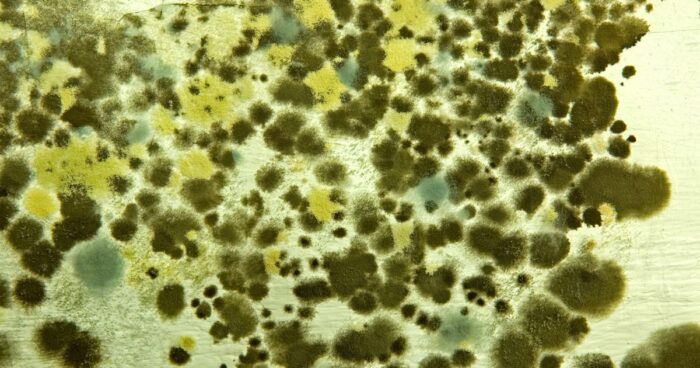
Having mould in your home or workplace can seriously affect your health. Fungi release microscopic particles that can be inhaled deep into the lungs. This can trigger respiratory problems and worsen existing conditions such as asthma. Some species of mould also produce toxins that are particularly harmful.
Symptoms of mould exposure
Exposure to mould can bring on a range of symptoms. The most common are allergic reactions, which typically show up as sneezing, itchy eyes and nose, a runny nose or skin rashes. Some people may even experience more serious problems.
These issues are often caused by a distinctive musty odour which, combined with high humidity, degrades the air quality in the room. That’s why it’s so important not only to keep an eye out for stains on your walls, but also to pay attention to how you feel — and to deal with any mould growth promptly.
How to prevent mould?
Prevention is the most important step in keeping mould at bay. Here are 6 practical tips to help you stop mould from forming and spreading:
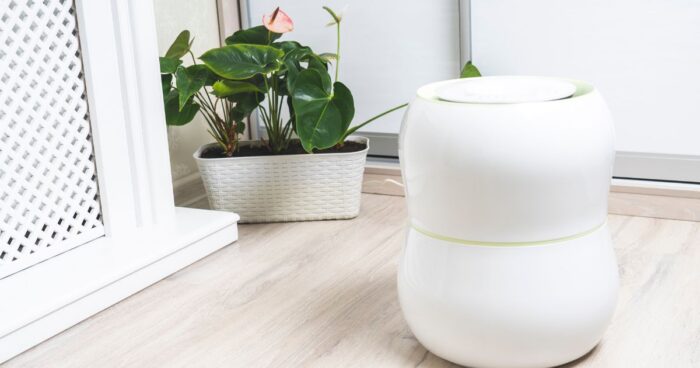
- Keep humidity levels in check. Use dehumidifiers to draw excess moisture out of the air and create conditions that mould simply can’t tolerate.
- Ventilate the bathroom and kitchen regularly. Open a window and let fresh air in after every bath or cooking session.
- Fix any leaks around windows, doors and the roof that could be allowing moisture into the house.
- Apply a photocatalytic coating to the façade. It prevents mould from settling and growing.
- Clean your home regularly. Pay extra attention to areas prone to mould — showers, kitchens and cellars.
- For serious mould problems, call in a professional. They can track down hidden mould and advise you on the best way to deal with it.
You might also like: Thorough household cleaning: tips to get rid of allergens
How to remove mould?
If you’ve spotted mould in your home, it’s important to act quickly. Here are the steps you should follow:
- Identify the source – Work out where the mould is and what’s causing it to spread. Common culprits include excess moisture, leaking windows or a damaged roof.
- Reduce humidity – Make sure rooms are well ventilated and keep humidity at the right level. Consider investing in a dehumidifier to tackle not just the mould but also musty smells, protect your furniture and reduce pest problems.
- Remove affected materials – If mould has taken hold on surfaces such as wallpaper or flooring, the best course of action is to remove and replace them. This is the only reliable way to stop mould from spreading further.
- Use mould removers – There are plenty of mould-removal products available. Always follow the manufacturer’s instructions. When applying them, make sure you’re in a well-ventilated space and wear protective equipment such as gloves and a respirator.
- Use an ozone air purifier – After removing the mould, it’s important to thoroughly clean the air. An ozone generator will take care of this, and you should use it regularly going forward.
- Watch out for recurring mould – If mould keeps coming back in the same spot, it could point to a deeper problem. In that case, it’s worth contacting a specialist who can identify the root cause and recommend the right solution.
Learn how to choose the best dehumidifier.
Key takeaways
Mould can make life pretty miserable. Whether it shows up in your home, at work or on the outside of a building, it’s a problem you shouldn’t ignore. Focus on mould prevention and removal — act quickly to minimise its impact on your health and the health of your loved ones.
Frequently asked questions
Where does mould thrive?
Mould thrives in damp places. You’ll often find it in the bathroom near the shower, in the kitchen or around windows.
How does mould spread?
Mould spreads through airborne spores. These spores are found not only outdoors but also inside the home.
What health problems does mould cause?
Mould can trigger allergic reactions such as a runny nose, itchy eyes or a rash. It can also cause serious respiratory problems, especially in people with asthma.
How can you prevent mould?
The most important step is to tackle excess moisture in the home. A dehumidifier can help with this. It’s also a good idea to get an ozone generator to deal with any mould spores in the air. Make sure you ventilate regularly and keep on top of household cleaning.