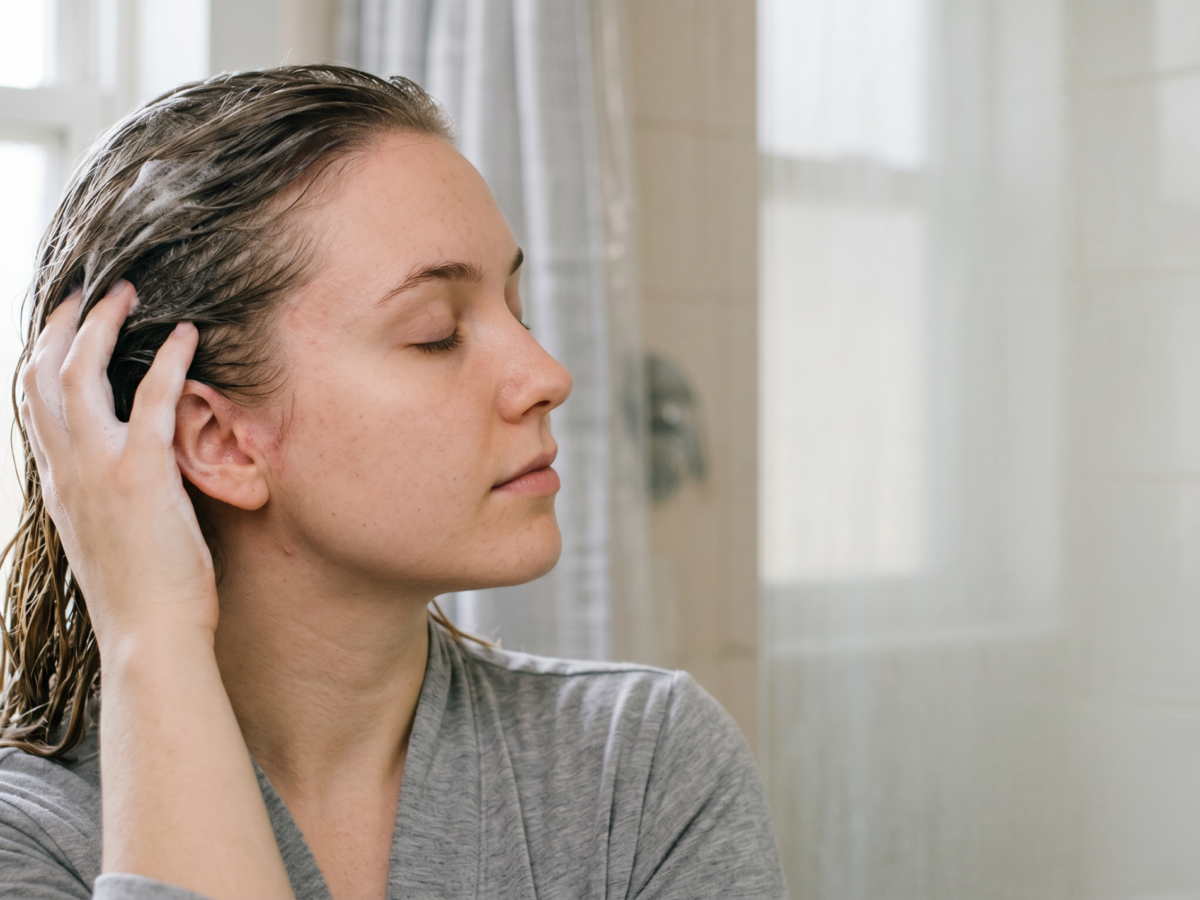
Is the skin around your nose, eyebrows or scalp flaking? Red, greasy and sometimes maddeningly itchy? No matter what you do, those yellowish scales keep coming back — and you’re starting to feel helpless. You might even worry that it looks like poor hygiene, despite taking good care of your skin. Let me reassure you: you’re far from alone, and this has absolutely nothing to do with cleanliness. What you’re most likely dealing with is seborrhoeic dermatitis, a chronic inflammatory skin condition. It’s more common than you might think — up to 5 % of the population is affected, and according to 2021 data, there are more than 135 million cases worldwide. In this guide, I’ll explain exactly what seborrhoeic dermatitis is, why it develops, how the yeast Malassezia drives it, and we’ll walk through every treatment option — from tried-and-tested shampoos to cutting-edge medications that are revolutionising dermatology.
TL;DR
- Seborrhoeic dermatitis is a chronic skin inflammation — not a sign of poor hygiene. It presents as greasy, yellowish scales on reddened skin.
- The key trigger is the overgrowth and metabolic activity of the yeast Malassezia, a normal part of the skin microbiome.
- It most commonly appears in areas with a high density of sebaceous glands: the scalp (dandruff), the face (eyebrows, nasolabial folds) and the chest.
- Treatment relies on antifungals (ketoconazole shampoos), topical corticosteroids and modern medications such as roflumilast.
- The psychological impact — especially when the face is involved — can be significant. Don’t be afraid to talk to your doctor about how you’re feeling; it’s a valid part of your care.
What is seborrhoeic dermatitis — definition and prevalence
Seborrhoeic dermatitis, also known as seborrhoeic eczema, is a chronic, relapsing inflammatory skin disease. The name comes from “sebum” (the skin’s natural oil) and “derma” (skin) — a clue that it favours areas where sebaceous glands are most concentrated, known as seborrhoeic sites. These typically include the scalp, face, upper chest and back.
This is by no means a rare condition. As I mentioned, global figures show that millions of people are affected, and — worryingly — the number of cases has risen by more than 50 % since 1990. The disease has two age peaks. The first is in infancy (up to 3 months), when it appears as so-called “cradle cap,” and the second occurs in adulthood, usually between the ages of 30 and 60. Men are affected more often than women.
It’s important to understand that seborrhoeic dermatitis is neither infectious nor contagious, and it is absolutely not a sign of inadequate hygiene. It’s a complex problem involving genetic predisposition, immune system activity, hormonal influences and — above all — the interaction with micro-organisms living on our skin.
Malassezia — the yeast that keeps the eczema going
For a long time, there was debate about what exactly triggers seborrhoeic dermatitis. We now know that a microscopic yeast from the genus Malassezia plays a crucial role — most commonly the species Malassezia globosa and Malassezia restricta. This yeast is lipophilic, meaning it thrives on fats. It’s a perfectly normal part of our skin microbiome and lives on the skin of most healthy people without causing any trouble at all.
The problem arises in people who are predisposed to seborrhoeic dermatitis. Their skin overreacts to the yeast’s metabolic activity. So what actually happens?
The yeast feeds on our sebum
Malassezia cannot produce its own fatty acids, so it depends on our skin’s sebum. Using enzymes (lipases), it breaks down triglycerides in sebum into free fatty acids.
An irritant is produced
A by-product of this process is oleic acid.
Inflammation is triggered
In susceptible individuals, oleic acid penetrates the compromised skin barrier and sets off an alarm in the immune system. The so-called NLRP3 inflammasome is activated in skin cells — essentially a cellular alarm system. This leads to a massive production of pro-inflammatory substances (cytokines such as IL-1β, IL-8 and IL-17).
The skin reacts with chaos
The result is inflammation (redness), accelerated and disorganised renewal of skin cells that don’t shed properly, clumping together into visible greasy scales.
The whole process is a vicious circle: more sebum → more food for the yeast → more irritating metabolites → stronger inflammation → further damage to the skin barrier. That’s why treatment focuses on suppressing the overgrown Malassezia yeast.
Where seborrhoeic dermatitis appears — scalp, face, chest
The clinical picture varies depending on where the eczema flares up, but it always follows areas with the highest sebum production.
Seborrhoeic dermatitis on the scalp
Scalp involvement is the most common form. It can range in severity:
Mild form (Pityriasis capitis)
These are classic dandruff — fine, dry or slightly greasy white flakes in the hair, sometimes accompanied by itching.
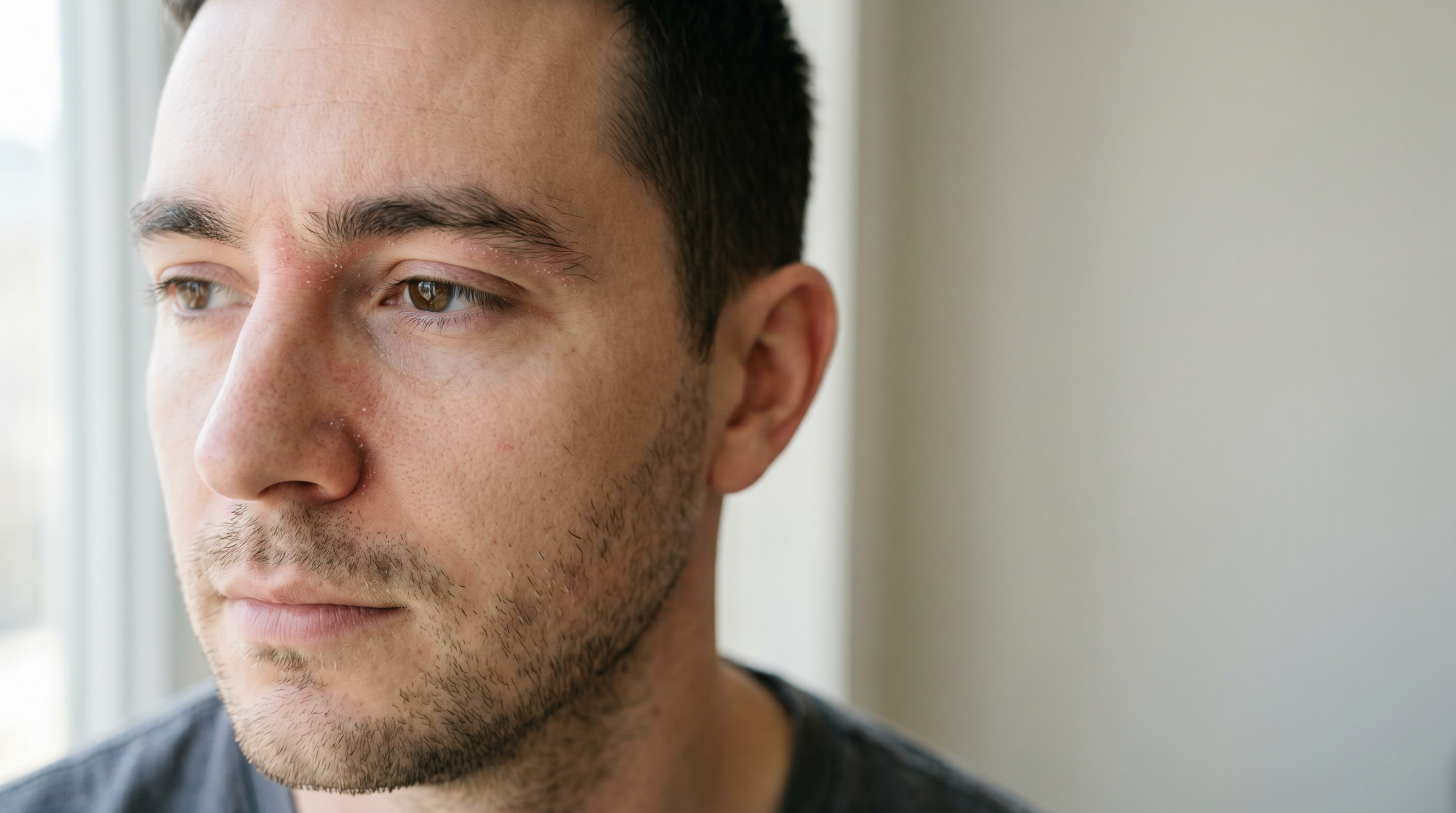
More severe form: Here, larger, red, inflamed patches develop, covered with a thicker layer of yellowish, greasy scales. These scales cling firmly to the skin. In extreme cases, the patches may merge and extend beyond the hairline onto the forehead, temples and behind the ears (known as corona seborrhoica*).
Seborrhoeic dermatitis on the face
This form is the most psychologically challenging for many people, because it’s constantly on display. Typical sites include:
Eyebrows and glabella
The area between the eyebrows is a very common location. The skin is red and flaking.
Nasolabial folds
The creases running from the sides of the nose to the corners of the mouth.
Beard area in men
Inflammation and flaking can develop beneath facial hair, which complicates care.
Behind the ears
Scales often form here, along with painful cracks (fissures).
Eyelids (blepharitis)
The inflammation can also affect the eyelid margins, which become red and covered in fine scales.
It’s worth noting that in people with darker skin tones, the typical redness (erythema) may be less obvious. The inflammation can instead appear as a purplish tinge or darker patches (post-inflammatory hyperpigmentation).
Seborrhoeic dermatitis on the trunk
On the body, the eczema is less common but again targets areas with a high concentration of sebaceous glands:
Presternal area
The area over the breastbone.
Between the shoulder blades.
Skin folds
In the armpits, under the breasts or in the groin. Here the patches tend to be weepy rather than scaly, due to the moist environment.
Cradle cap — the infant form
In very young babies, we see a special variant known as cradle cap (medically cradle cap). It typically appears between the 3rd week and 3rd month of life and is linked to maternal hormones that stimulate the baby’s sebaceous glands.
It presents as a thick layer of greasy, yellow-brown scales and crusts that cling tightly to the scalp. Although it can alarm parents, it’s usually not bothersome for the baby at all — it doesn’t itch and causes no discomfort. Unlike the adult form, cradle cap has an excellent prognosis and resolves on its own in the vast majority of children by the age of one.
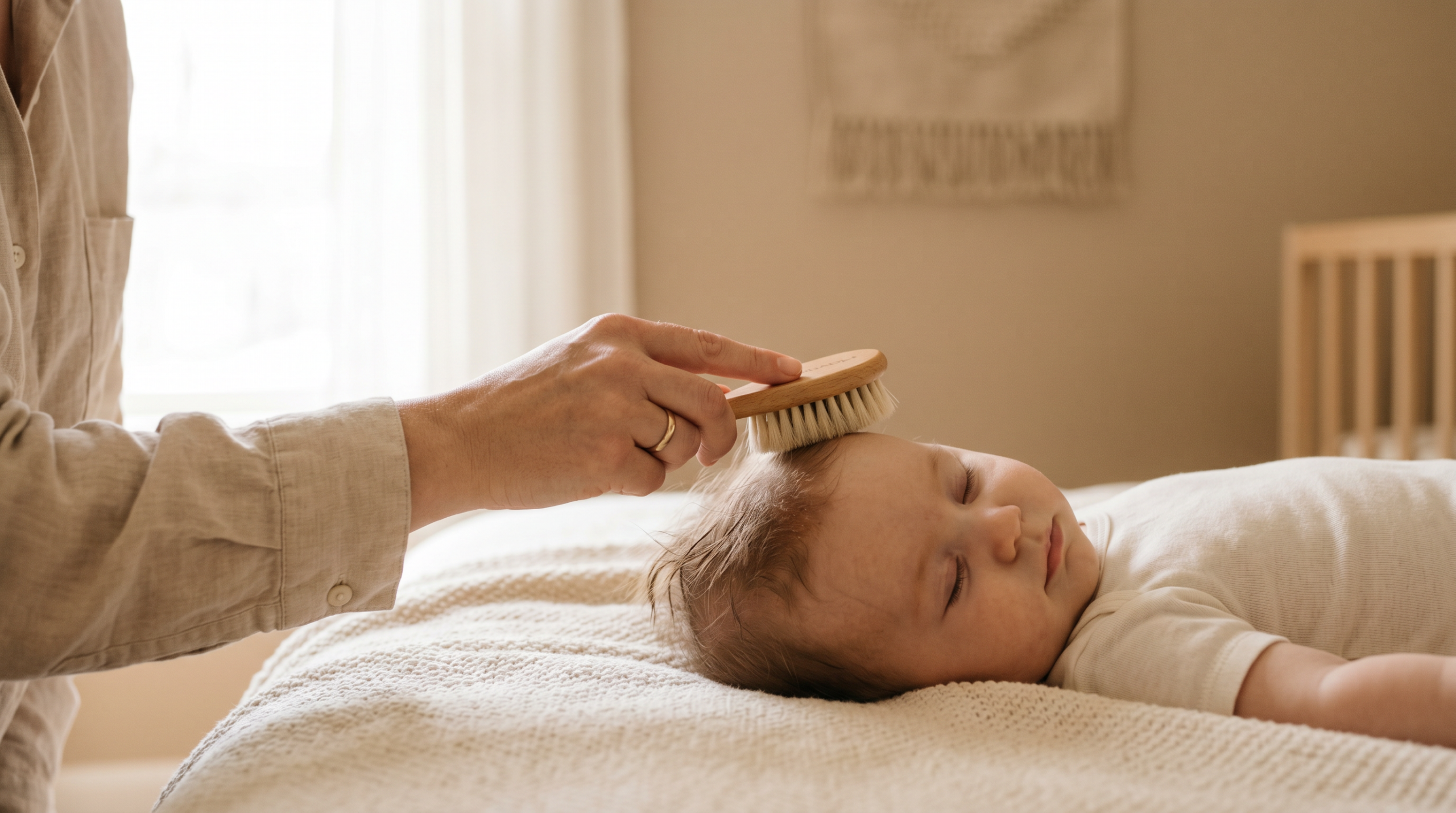
Care is simple and conservative. The goal is to soften the crusts and gently remove them.
Before bathtime, apply baby oil or another emollient to the baby’s scalp and leave it on for a few hours.
During the bath, gently wash the hair with a mild baby shampoo.
After the bath, very gently brush out the loosened flakes with a soft baby brush.
Never try to pick or scrape off the crusts forcefully — you could damage the baby’s delicate skin. If the condition doesn’t improve or starts spreading, always consult your paediatrician.
Why Parkinson’s patients so often have seborrhoeic dermatitis
One of the most fascinating and clinically significant links is the connection between seborrhoeic dermatitis and Parkinson’s disease. This is no coincidence. While up to 5 % of the general population has seborrhoeic dermatitis, among Parkinson’s patients that figure ranges from 18.6 % to 59 %.
According to a study published in JAAD in 2024, people with seborrhoeic dermatitis have a 69 % higher risk (Odds Ratio = 1.69) of developing Parkinson’s disease in the future. Today, seborrhoeic dermatitis is even considered a possible early skin marker (biomarker) that may precede neurological symptoms by several years.
Why does this happen? The reasons are complex:
Autonomic dysfunction
In Parkinson’s patients, the autonomic nervous system — which regulates sebum production, among other things — is impaired.
Facial hypomobility
Patients have reduced facial expression, the so-called “mask-like face.” As a result, sebum accumulates on the skin surface because it isn’t naturally wiped away by muscle movement.
Immunosuppression
Neurodegenerative processes are often associated with a general weakening of the immune system.
All of this creates the perfect environment for the yeast Malassezia to overgrow and for severe forms of seborrhoeic dermatitis to develop.
Diagnosis and differential diagnosis (psoriasis, AD, rosacea)
The diagnosis is usually made by a dermatologist based on the clinical appearance — that is, the typical look and location of the patches. Complex tests are rarely needed. However, problems can arise when the symptoms overlap with other skin conditions. That’s why it’s important to distinguish seborrhoeic dermatitis from other dermatoses.
It can sometimes be tricky to determine whether you’re dealing with seborrhoeic dermatitis or something else, such as an allergic rash or urticaria (hives), although these typically have a different course and appearance.
Here’s a comparison table of the most common conditions it can be confused with:
| Condition | Typical features | Location |
|---|---|---|
| Seborrhoeic dermatitis | Greasy, yellowish scales on a red base. Itching is usually mild to moderate. | Scalp, eyebrows, nasolabial folds, chest, skin folds. |
| Psoriasis | Sharply demarcated, red patches covered with silvery-white, dry scales. Often also affects nails and joints. | Elbows, knees, sacral area, scalp (often extends beyond the hairline). |
| Atopic dermatitis (AD) | Dry, red patches that tend to weep and crust over. Very intense itching. Often associated with allergies and asthma. If you’re unsure, read about how to recognise atopic eczema. | In children: face and limbs. In adults: elbow creases, backs of the knees, neck, wrists. |
| Rosacea | Persistent redness, visible blood vessels (telangiectasia), papules and pustules. No typical scaling. | Central face (nose, cheeks, forehead, chin). |
In unclear cases, the doctor may take a small skin sample (biopsy) for histological examination to confirm the diagnosis.
Treatment — antifungals, corticosteroids, roflumilast (new in 2024)
The goal of treatment is to bring the acute inflammation under control and then keep the condition in remission for as long as possible. Since it’s a chronic condition, long-term maintenance therapy should be expected.
Topical antifungals
This is the absolute cornerstone of treatment, because it targets the root cause — overgrown Malassezia yeast.
Ketoconazole 2 %
The gold standard. Available as a cream, gel or shampoo. During an acute flare, it’s applied twice daily (cream) or twice weekly (shampoo) for 2–4 weeks. Maintenance therapy — using the product 1–2 times a week — is important for preventing relapse.
Ciclopirox olamine (0.77–1.5 %)
An excellent alternative that also has mild anti-inflammatory properties.
Topical corticosteroids
Corticosteroids are powerful anti-inflammatory drugs that rapidly relieve redness and itching. They’re used short-term to manage acute flare-ups. Low-potency options (e.g. hydrocortisone) are chosen for the face, while stronger ones are used on the scalp and body. Long-term use — especially on the face — is not recommended due to the risk of skin thinning (atrophy), acne or perioral dermatitis.
Calcineurin inhibitors
These are modern immunomodulatory drugs that suppress inflammation but are not corticosteroids. They’re an ideal choice for sensitive areas like the face, as they don’t carry the side effects of corticosteroids.
Pimecrolimus 1 % (cream)
Studies show very good results and a low relapse rate, particularly for the facial form.
Tacrolimus 0.1 % (ointment)
Comparable in efficacy to corticosteroids.
Roflumilast (ZORYVE) — a game-changer in treatment
The biggest development in over two decades is the approval of roflumilast 0.3 % foam (brand name ZORYVE) by the US FDA in December 2023. It works through an entirely new mechanism. Roflumilast is a selective PDE4 inhibitor — by blocking this enzyme, it massively reduces the production of pro-inflammatory substances in the skin.
The data from the pivotal STRATUM study are striking: after 8 weeks of treatment, nearly 80 % of patients achieved significant improvement and roughly 50 % had completely clear skin, with no visible signs at all. The foam is approved for patients aged 9 and over. It’s a huge promise for those who haven’t responded to existing treatments. European approval is still pending, but there’s a light at the end of the tunnel.
Home care and shampoos (ketoconazole, ciclopirox, zinc pyrithione, salicylate)
Beyond prescription medications, daily care with over-the-counter products plays a crucial role — especially for milder forms and as maintenance therapy.
Shampoos for seborrhoeic dermatitis of the scalp
When choosing a shampoo, look for these active ingredients:
- Ketoconazole shampoo: Even at the lower, over-the-counter concentration (1 %), it’s highly effective against yeast.
- Ciclopirox: Another effective antifungal.
- Zinc pyrithione: Has both antifungal and antibacterial properties, and helps regulate sebum production and cell turnover.
- Selenium sulphide: Slows skin cell turnover and works against yeast.
- Salicylic acid: Helps remove built-up scales and crusts (keratolytic effect).
- Coal tar: An older but still effective ingredient that slows the growth of skin cells.
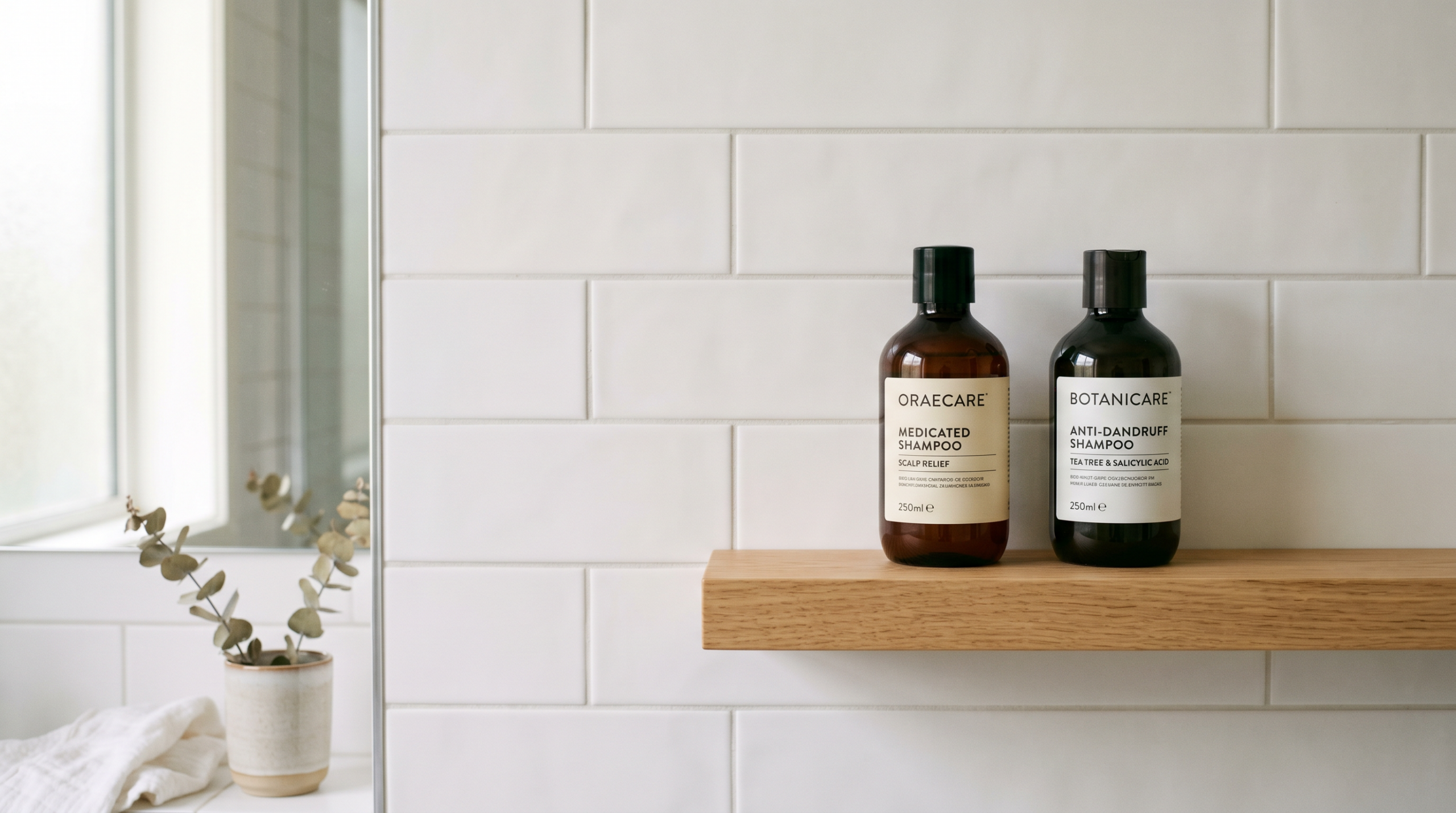
It’s a good idea to rotate shampoos so the yeast doesn’t develop resistance. During an acute phase, use them 2–3 times a week, always leaving them on for 3–5 minutes before rinsing thoroughly. In the maintenance phase, once a week is enough.
Facial and body skincare
For your face and body, choose gentle, non-comedogenic products free from unnecessary fragrances and alcohol that could irritate the skin. Sometimes a cosmetic allergy can act as a trigger, so it’s worth opting for products designed for sensitive or seborrhoeic skin. Avoid heavy creams and oils (with the exception of specifically formulated ones that don’t “feed” the yeast, such as squalane).
Mental health — seborrhoeic dermatitis on the face and self-esteem
This doesn’t get talked about nearly enough, but the psychological impact can be devastating. When the skin right in the middle of your face is flaking, it’s hard not to think about it constantly. Many people with this diagnosis experience feelings of shame, anxiety and social isolation.
The same sentiments crop up again and again on patient forums: “My nose is red and flaky again — I look like I don’t take care of myself.” Or: “I spend half an hour every morning picking flakes off my eyebrows just so I can face the world.” It’s frustrating, because people around you often don’t understand that it has nothing to do with hygiene.

This subjective experience is backed up by data. Studies show a strong correlation between eczema severity and anxiety levels. In fact, among all chronic facial dermatoses, seborrhoeic dermatitis has been found to carry the highest rate of depressive symptoms. If you feel the condition is getting on top of you and affecting your daily life, don’t hesitate to speak to your doctor or seek psychological support. Your feelings are completely valid, and addressing them is an important part of your overall care.
Conclusion
Seborrhoeic dermatitis may be chronic and sometimes annoying, but it is absolutely not unsolvable. The key is understanding what’s behind it: an inflammatory reaction to the naturally occurring yeast Malassezia. It’s not your fault, and it’s not down to lack of care. With modern treatment options — from effective shampoos to innovative medications — the symptoms can be very well controlled and kept in check.
What can you do today? If you’re troubled by dandruff or mild facial symptoms, look in your pharmacy for a shampoo or cream containing ketoconazole, zinc pyrithione or ciclopirox. If your problems are more severe, don’t hesitate — book an appointment with a dermatologist. They’ll put together a personalised treatment plan and help you find the right combination that works for you.
Frequently asked questions
Is seborrhoeic dermatitis contagious?
No, absolutely not. The yeast Malassezia, which plays a role in its development, is a normal part of nearly everyone’s skin microbiome. The problem isn’t the presence of the yeast itself, but an exaggerated immune response in a particular individual.
Can seborrhoeic dermatitis cause hair loss?
Usually not. However, if the inflammation on the scalp is very severe and long-standing, accompanied by intense scratching, temporary hair loss can occur. Once the inflammation settles, hair should resume growing normally.
Can seborrhoeic dermatitis be cured permanently?
Unfortunately not. It’s a chronic condition with a tendency to relapse. The aim of treatment is to bring the symptoms under control (remission) and, through proper maintenance care, extend the symptom-free periods for as long as possible.
What makes seborrhoeic dermatitis worse?
There are several potential triggers. The most common include stress, hormonal changes (e.g. puberty, pregnancy), seasonal shifts (often worse in winter), a weakened immune system, certain neurological conditions and unsuitable skincare products.
Is cradle cap dangerous for my baby?
No, it isn’t. It’s a purely cosmetic and temporary issue that neither harms nor bothers the child. In the vast majority of babies, it resolves on its own during the first year of life. Gentle care with oils and soft brushing is all that’s needed.
💡 Tip from Pavlína
For irritated, eczema-prone skin, I’ve had great results with AtopCare from nanoSPACE — it’s free from fragrances, SLS and preservatives, so it won’t aggravate even active patches. If eczema affects your hands too, try antibacterial clothing with silver-ion technology.