
Imagine tucking into a delicious burger or grilled steak for dinner. You feel absolutely fine, head to bed, and then wake up at midnight with your skin on fire. Itchy hives erupt all over your body, your stomach is cramping, and in worse cases you’re struggling to breathe. Your mind races — what on earth is happening? Dinner was five hours ago; surely it can’t be the food… or can it? This confusing and frustrating experience is the textbook scenario for a diagnosis that until recently was barely on anyone’s radar. It’s called alpha-gal syndrome.
You may have never heard of it and might think it’s some exotic rarity. But cases are on the rise across Europe, and many people suffer for months or even years with unexplained night-time rashes and digestive problems before they finally discover the cause. I first came across this topic when a reader wrote to me after going through exactly this bewildering cycle herself. In this article, I’ll explain in detail — but in plain language — what alpha-gal syndrome is, how it’s linked to ticks, why the reaction is so deceptively delayed, and how you can live with this diagnosis. This isn’t about scaremongering; it’s about practical information that could save you a great deal of suffering.
TL;DR
- Alpha-gal syndrome is an allergic reaction to red meat (beef, pork, lamb) triggered by a previous tick bite.
- Unlike a typical food allergy to a protein, the culprit here is a sugar molecule called galactose-α-1,3-galactose (alpha-gal).
- The reaction is characteristically delayed, appearing 3 to 6 hours after eating meat — often in the middle of the night.
- Diagnosis is confirmed by a specific blood test for IgE antibodies against alpha-gal. Standard skin prick tests may come back negative.
- The cornerstone of treatment is strictly eliminating mammalian meat from your diet. Poultry and fish are safe.
What is alpha-gal syndrome and why nobody talked about it
Alpha-gal syndrome is a type of food allergy that differs from others in several important ways. While a typical food allergy — to nuts or milk, for example — is a reaction to a protein, here the culprit is a carbohydrate. Specifically, it’s a sugar molecule called galactose-α-1,3-galactose, or alpha-gal for short. This sugar occurs naturally in the meat and organs of all mammals, with the exception of primates (and therefore humans).
Why is this such a recent discovery? The mechanism behind this allergy was first described only in 2009. Scientists had noticed mysterious anaphylactic reactions to the cancer drug Cetuximab. They found that the patients who reacted had antibodies in their blood targeting the alpha-gal molecule present in the drug. What’s more, most of these patients lived in the southeastern United States, where the tick species Amblyomma americanum is widespread. That’s when the whole story began to unravel — connecting ticks, a medication, and a newly discovered allergy to red meat.
For a long time, no one talked about alpha-gal syndrome because it was considered rare, and its delayed symptoms were difficult to link back to food. Many patients were misdiagnosed with idiopathic urticaria (a rash of unknown cause) or other gastrointestinal issues. Only as awareness among doctors has grown and specific tests have become available has it become clear that alpha-gal allergy is far less uncommon than was originally thought.
How a tick transmits meat allergy — the mechanism
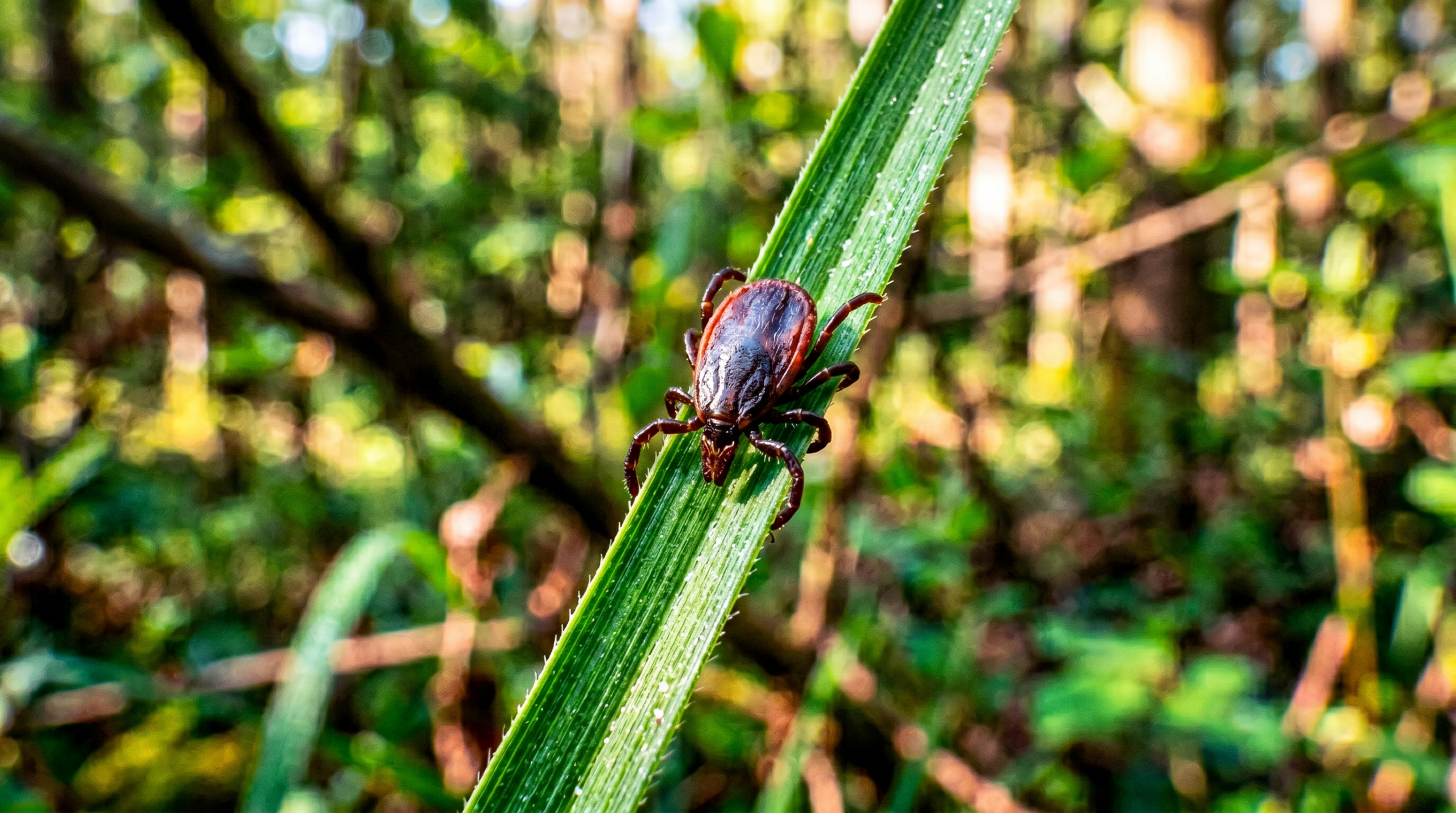
The link between a tick bite and meat allergy may sound like science fiction, but there’s a perfectly logical immunological explanation. The whole process begins inconspicuously — with a tick latching on.
1. Step one: The tick feeds on a mammal. A tick (in Europe, most commonly the castor bean tick Ixodes ricinus) attaches itself to a wild animal such as a deer or wild boar. During feeding, the alpha-gal molecule from the animal’s blood enters the tick’s saliva and digestive tract.
2. Step two: The tick bites a human. Later, the same tick attaches to a person. As it feeds on blood, it injects its saliva into the wound — saliva packed with anticoagulants and numbing agents. Along with these, the alpha-gal molecule enters our bloodstream.
3. Step three: The immune system responds. Our immune system doesn’t recognise alpha-gal (because we don’t produce it ourselves) and flags it as a foreign, dangerous substance. It mounts a defensive response, producing specific IgE antibodies against it. This is the moment of sensitisation. The person has no symptoms yet, but their immune system is now “primed” for battle.
4. Step four: The allergic reaction is triggered. When this sensitised person eats a serving of red meat some time later — weeks to months down the line — say a steak or a stew, their body encounters alpha-gal again. The IgE antibodies already waiting on mast cells immediately recognise the molecule, leading to a massive release of histamine and other inflammatory mediators. That’s what sets off the allergic reaction.
This mechanism explains how someone can suddenly develop a beef allergy from a tick bite, even though they’ve eaten meat their entire life without any issues. It’s not the meat that changed — it’s the immune system’s response, after being “reprogrammed” by the tick.
Delayed reaction 3–6 hours — why it’s so confusing
One of the most deceptive and characteristic features of alpha-gal syndrome is its delayed allergic reaction to meat. Most food allergies kick in within minutes, or at most within two hours of eating. Alpha-gal is different. Symptoms typically appear 3 to 6 hours later — sometimes even up to 8 hours.
Why the delay? The answer lies in how our body processes different nutrients. While allergenic proteins (from peanuts, for instance) are absorbed relatively quickly, the alpha-gal molecule in meat is bound mainly to fats (in the form of glycolipids). Digesting and absorbing fats is a much slower and more complex process. It takes several hours for these molecules to travel from the digestive tract into the bloodstream, where they can encounter the waiting IgE antibodies.
This time lag is the main reason so many people — and, unfortunately, doctors too — fail to connect a night-time bout of hives or severe stomach pain with a dinner eaten many hours earlier. Patients often look for the cause in something they ate just before bed, in their laundry detergent, or in dust mites in the bedding. Reaching the correct diagnosis of alpha-gal syndrome therefore requires some detective work and careful tracking of your diet alongside your symptoms. If you have any suspicion, I’d recommend noting down the exact time you eat and the exact time any symptoms appear.
Symptoms — from itching to anaphylaxis

The symptoms of alpha-gal syndrome can vary widely — from mild to life-threatening. While some people only experience uncomfortable itching, others may end up calling an ambulance. It’s important to know that the severity of a reaction can differ even in the same person, depending on how much meat was eaten, how fatty it was, or whether other factors such as alcohol or physical exertion were involved.
The table below summarises the most common symptoms by severity.
| Reaction severity | Skin symptoms | Gastrointestinal symptoms | Other symptoms |
|---|---|---|---|
| Mild reaction | Itchy skin, palms, or soles of the feet; localised allergic rash (hives). | Nausea, mild heartburn. | Itching in the mouth and throat. |
| Moderate reaction | Widespread hives all over the body; swelling of the lips, eyelids, or face (angioedema). | Severe abdominal cramps, vomiting, diarrhoea. | Dizziness, feeling faint, heart palpitations. |
| Severe reaction (Anaphylaxis) | Generalised hives; significant swelling of the tongue and throat. | Repeated vomiting, severe abdominal pain. | Breathing difficulties (sensation of a tight throat, wheezing), drop in blood pressure, loss of consciousness. This is a life-threatening emergency requiring immediate action. |
In some people, the only symptoms are severe, recurrent abdominal pain and diarrhoea with no skin involvement at all — which makes diagnosis even harder. If you experience severe reactions, it’s absolutely essential to carry an emergency kit with an adrenaline auto-injector and to know how to use it. I cover this topic in more detail in my article on anaphylaxis.
Who is affected (geography and risk groups)
Alpha-gal syndrome can affect anyone regardless of age or sex. The key factor is exposure to the ticks that transmit the sensitisation, so the geographical distribution of the condition mirrors the map of where these ticks are found.
Cases have been reported worldwide, but certain regions see significantly higher numbers:
North America
Particularly the southeastern and eastern United States, where the culprit tick is Amblyomma americanum (the Lone Star tick).
Europe
Cases have been documented in Sweden, Germany, France, Spain, Italy, and across Central Europe, including the Czech Republic. The main vector here is the common castor bean tick (Ixodes ricinus).
Australia and Asia
Cases linked to local tick species have been recorded in these regions as well.
Risk groups include people who spend a lot of time outdoors and are therefore more exposed to tick bites. This mainly covers:
Hunters and forestry workers
Hikers and mushroom foragers
Gardeners
People living in rural areas near woods and meadows
If you fall into any of these groups and suffer from unexplained night-time reactions, alpha-gal syndrome should be one of the possibilities your doctor considers.
Diagnosis — anti-α-gal IgE and component-resolved diagnostics

If you suspect you may have alpha-gal syndrome, the path to a confirmed diagnosis runs squarely through an allergy clinic. Self-diagnosis and experimenting with your diet on your own can be dangerous. An experienced allergist will follow a systematic approach.
1. Detailed medical history: The doctor will ask about your symptoms, their timing in relation to meals, your diet, and whether you’ve ever had a tick attach to you. The detail about a delayed reaction after eating red meat is a vital clue.
2. Blood test for specific IgE: This is the gold standard for diagnosis. A blood sample is used to measure the level of specific IgE antibodies against the alpha-gal molecule. A positive result makes the diagnosis very likely. This test is far more accurate than tests using a whole-extract panel for beef or pork.
3. Skin prick tests: Standard skin prick tests using commercial meat extracts are frequently falsely negative in alpha-gal syndrome. The reason is that these extracts may not contain a sufficient amount of the carbohydrate allergen alpha-gal. In some cases, the allergist may perform a prick-to-prick test with fresh meat, which can be more sensitive.
Thanks to modern component-resolved diagnostics, which can identify antibodies against individual molecules, detecting alpha-gal syndrome is now far more reliable than it used to be. It’s an excellent example of how precise laboratory testing can solve a mystery that had patients and doctors scratching their heads for years. That said, results should always be interpreted by an allergist who can put them into the context of your clinical symptoms.
Treatment and a mammalian meat-free diet
There is currently no medication that can cure alpha-gal syndrome. The only effective and safe treatment is a strict and consistent elimination diet — removing all sources of alpha-gal from what you eat.
What does this look like in practice? You need to avoid:
All mammalian meat
Beef, pork, lamb, mutton, veal, rabbit, goat, and game (venison, wild boar, fallow deer).
Mammalian offal
Liver, kidneys, heart, and other organs.

Processed meat products
Sausages, hot dogs, ham, bacon, pâtés, and other products if they contain mammalian meat.
On the other hand, these remain safe:
Poultry
Chicken, turkey, duck, goose.
Fish and seafood.
This diet may seem restrictive at first glance, but fortunately there are plenty of alternatives. The important thing is to always read ingredient labels carefully. A hidden red meat allergy can lurk in products you wouldn’t expect — stock cubes, sauces, or gelatine, for example. It’s always better to check with the manufacturer if you’re unsure. When in doubt, leave it out. You can read more about the general principles of a meat-allergy diet in my separate article on meat allergy.
What else alpha-gal affects (medications, gelatine, dairy)
Unfortunately, the problem with alpha-gal doesn’t end at the steak on your plate. This molecule can hide in less obvious places, which can make life tricky even when you’re following a meat-free diet.
Gelatine
Gelatine is made from the bones and hides of mammals (most commonly pigs and cattle) and can therefore contain alpha-gal. Highly sensitive individuals may react to gummy sweets, gelatine-based desserts, or even medications in gelatine capsules.
Dairy products and milk
Cow’s milk also contains alpha-gal, though in much smaller amounts than meat. Most people with alpha-gal syndrome tolerate dairy without any problems. A smaller proportion of patients — particularly those with very high antibody levels — may experience mild symptoms after consuming milk, cheese, or ice cream.
Medications and medical products
Certain medications can contain alpha-gal. The best-known example is the cancer drug Cetuximab mentioned earlier. Other potential issues include some vaccines stabilised with gelatine, or porcine-tissue heart valve replacements. It’s crucial to inform all your doctors and pharmacists about your diagnosis.
The extent of sensitivity to these additional sources varies greatly from person to person. While one person may need to watch out for gelatine capsules, another can eat yoghurt without a second thought. Always consult your allergist before broadening or restricting your diet further.
Prevention — how to protect yourself from ticks
Since alpha-gal syndrome develops as a result of a tick bite, the best strategy is to minimise your exposure to these tiny parasites. No protection is 100 % foolproof, but following a few simple precautions can significantly reduce your risk.
- Use repellents: Before every trip into nature, apply a good-quality repellent containing an active ingredient such as DEET or icaridin to both your skin and clothing.
- Dress appropriately: When heading into woods or tall grass, wear long trousers tucked into your socks and a long-sleeved top. Light-coloured clothing makes it easier to spot a tick.
- Stick to paths: Try to avoid walking through tall grass, undergrowth, and dense shrubs — these are the spots where ticks are most commonly found.
- Do a thorough body check: After coming home, carefully inspect your entire body, including your hair, armpits, behind the knees, and the groin area. Don’t forget to check children and pets too.
- Remove ticks properly: If you find a tick, remove it as soon as possible using fine-tipped tweezers or a tick removal card. Grasp the tick as close to the skin as you can and pull steadily upwards. Disinfect the area afterwards.
💡 Lucie’s recommendation
If you suspect you may have alpha-gal syndrome, the first step is to visit an allergist and request a specific anti-α-gal IgE test. While you’re waiting for your appointment, you might also want to look into home screening tests that can quickly point you in the right direction.
📖 You might also be interested in
Conclusion
Alpha-gal syndrome is a fascinating — though for patients deeply unpleasant — example of how our immune system can react to environmental triggers in complex and unexpected ways. Night-time rashes and stomach pains that were once a mystery now have a clear name and an explanation that traces a path from a tick in the woods to a steak on the plate. The key to uncovering it is paying attention to delayed reactions and getting the right diagnosis from an informed allergist.
If, after reading this article, you suspect that alpha-gal allergy might apply to you, don’t panic. The most important first step you can take today is to start keeping a detailed food and symptom diary. Write down everything you eat and note the exact time any symptoms appear. Then take those records with you when you book a consultation with an allergist. An accurate diagnosis is the foundation for managing your condition effectively and regaining control of your health.
Frequently asked questions
Can alpha-gal syndrome go away on its own?
Yes, it can. IgE antibody levels against alpha-gal may decrease over time, and in some people the allergy resolves after several years (typically 3–5). The crucial condition, however, is that no further tick bites occur to “restart” the immune system’s response.
Can I eat chicken and fish if I have alpha-gal syndrome?
Yes, absolutely. The alpha-gal molecule is found only in mammalian meat. Poultry (chicken, turkey) and fish do not contain this carbohydrate, making them completely safe for people with alpha-gal syndrome — and they form the backbone of the diet.
Does every tick bite carry a risk of developing a meat allergy?
No, thankfully not. Not every tick carries the alpha-gal molecule, and not every person exposed to it goes on to develop an allergic reaction. The risk is real, but it certainly doesn’t mean you’ll automatically develop the condition after every tick bite.
How soon after a tick bite can the allergy appear?
The sensitisation process — the production of antibodies — takes some time. The first allergic reactions to meat typically appear 4 to 8 weeks after the tick bite. So it’s not an immediate thing.
Why have I eaten meat all my life without problems and suddenly developed an allergy?
That’s the very nature of alpha-gal syndrome. It isn’t an allergy you’re born with — it’s acquired. Your immune system was perfectly tolerant of meat until a tick bite “taught” it to perceive the alpha-gal carbohydrate as a threat. The allergy only develops after this triggering event.
Do I have to give up dairy products too?
That’s highly individual. Most patients with alpha-gal syndrome tolerate milk and dairy products well, since they contain only small amounts of alpha-gal. Patients with very high sensitivity, however, may react to them as well. It’s best to test this cautiously under your doctor’s guidance.