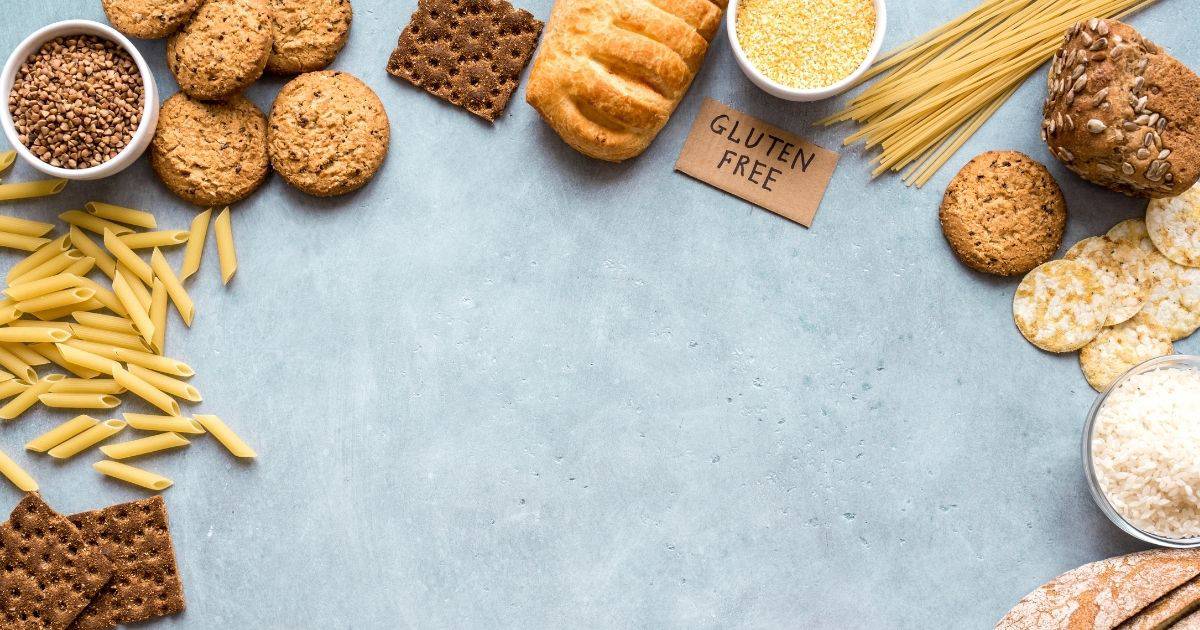
Gluten is a cereal protein found in wheat, rye, barley, and oats. Foods containing gluten have been part of our diet for over 10,000 years — so you’d think we’d be perfectly adapted to it by now. Yet gluten allergy and intolerance are on the rise. Why does gluten cause so many problems for our bodies today?
Why does gluten bother us more than our ancestors?
To understand why gluten causes so many issues today, we need to go right back to the beginning. In the past, grain was milled using stone-grinding technology — a method known throughout the world. Nowadays, grains are processed by crushing them between steel rollers. This modern technique separates the individual layers of the grain.
First, the germ falls away, which extends shelf life — great news for retailers. The remaining white centre contains roughly 70% starch and 30% protein, most of which is gluten. This shift began about 180 years ago, and today wheat flour is a staple food across the northwestern hemisphere.
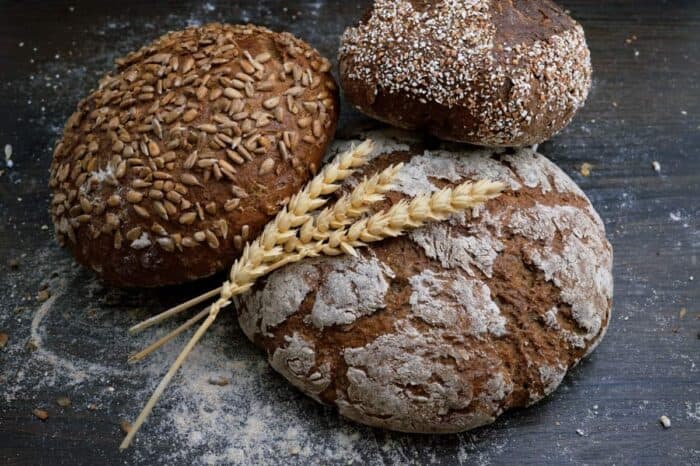
In the old days, anyone wanting to bake had to visit the local miller, who would grind the grain properly, producing wholemeal flour. Because it still contained the germ, this flour went rancid quickly, so bread had to be baked in larger batches and stored. Today, we’re used to eating bread and baked goods for breakfast, lunch, and dinner — and we often consume foods containing gluten without even realising it.
In earlier times, bread was consumed sparingly and in far smaller quantities. Sourdough bread was also more popular, partly because it lasted longer and partly because the fermentation process reduced its gluten content.
Put simply, bread used to be higher quality and we ate less of it. Those are the two main reasons we struggle with gluten today: high consumption of gluten-containing foods and often inferior flour processing.
Difference between gluten allergy and coeliac disease
Gluten allergy is often confused with coeliac disease, so let’s clear that up. Coeliac disease is a lifelong intestinal condition caused by gluten intolerance. It’s a serious and incurable illness, which means a strict gluten-free diet must be followed.
Gluten allergy, on the other hand, is often temporary and may resolve over time. If you’re allergic to gluten and eat a food that contains it, the allergic reaction can occur immediately or within minutes of ingestion. With coeliac disease, symptoms tend to develop gradually over hours or even days.
TIP: Food allergy and the most common food allergens
When to introduce gluten to infants?
Don’t introduce gluten to infants before the end of the 4th month. Why? A young baby’s immune system isn’t fully developed yet, and their digestive system can’t handle more demanding foods beyond breast milk. Start weaning gradually and watch how your baby reacts to gluten. If they tolerate it well, there’s nothing to worry about.
However, if tummy troubles, diarrhoea, frequent crying, eczema, or hives appear, consult your paediatrician — it could be a gluten allergy.
You might also be interested in: How to recognise gluten allergy in children
Gluten allergy symptoms
- Digestive issues
- Bloating
- Diarrhoea
- Constipation
- Flatulence
- Itching in the mouth and throat
- Irritability
- Sleep disturbances
Gluten allergy is treated by an allergist, and the only real solution is to eliminate gluten-containing foods. In shops, gluten-free products are marked with the crossed grain symbol, which can make your shopping much easier.
Gluten intolerance is highly individual. Some people react to even trace amounts, while others just need to cut out gluten a few times a week to feel significantly better. That’s why it’s always important to listen to your body — and, above all, to discuss everything with your doctor.
If you’d like to test yourself at home, there are gluten intolerance tests available over the counter at pharmacies. These are finger-prick blood tests that are often more than 98% accurate — but even so, we recommend consulting an allergist.
TIP: How does a nut allergy manifest and what should you do about it?
Watch out for hidden gluten
If you need to follow a gluten-free diet for any reason, it’s important to be aware of hidden gluten. You probably already know to avoid barley, rye, wheat, and oats. But there are also foods that contain gluten you might not expect at first glance — including processed meat products, puddings, seasonings, soy sauces, and sweets. Always read the labels so nothing catches you off guard.
TIP: Which foods contain gluten?

The number of people with gluten intolerance is steadily growing, so sticking to a gluten-free diet has never been easier. Today there’s a huge variety of gluten-free products to choose from.
What to use instead of wheat flour?
- Coconut flour
- Rice flour
- Flaxseed flour
- Almond flour
- Peanut flour
- Corn flour
Other gluten-free foods:
- Buckwheat
- Millet
- Legumes
- Corn
- Rice
- Nuts and seeds
- Quinoa
- Soy
- Vegetables and fruit
- Amaranth
These days, having a gluten allergy doesn’t mean missing out. You can enjoy practically everything — just in a gluten-free version. The range of treats you can bake with gluten-free flours is enormous, and more often than not you won’t even notice they’re not made with wheat flour. As a bonus, going gluten-free can lighten the load on your body and you might even shed a few kilos. You’ll easily find plenty of gluten-free recipes for delicious alternatives to traditional dishes that you’re sure to enjoy.
Sources:
You might also be interested in: Fish allergy: Causes, symptoms, and solutions