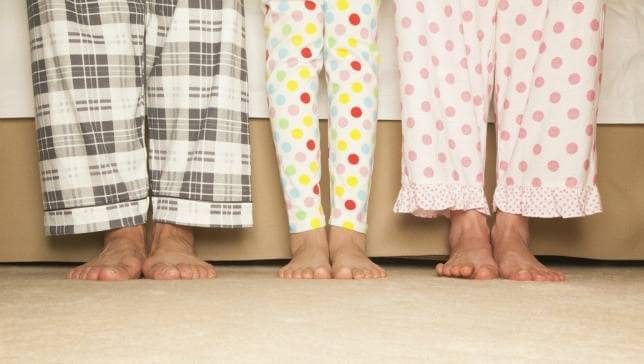
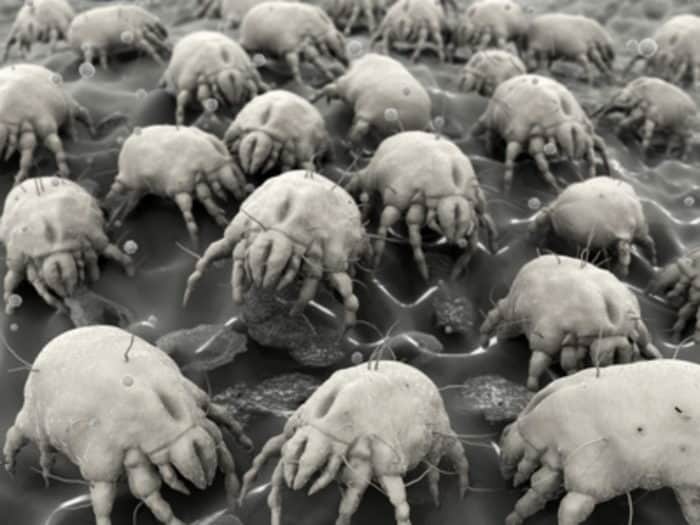
1. You Sleep with Over 1.5 Million Dust Mites Every Night
If that fact about bedroom dust mites horrified you, here’s the good news — if you use nano-fabric bedding, you can rest easy. It prevents anything from getting inside your duvets, mattresses, and pillows. So you’re actually sleeping alone, or just next to your partner. It’s also a good idea to pull your covers back in the morning so they can breathe and moisture can evaporate from the bed. Dust mites love humidity.
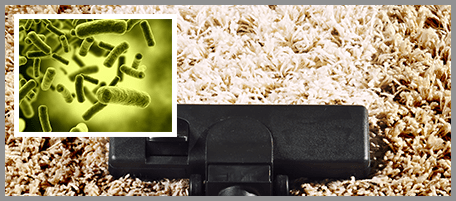
2. Your Carpet Has 4,000× More Bacteria Than Your Toilet
It’s true. That’s why vacuuming at least once a week is so important. If you skip it, heavy dirt works its way deep into the carpet fibres, leaving only fine dust on the surface. For allergy sufferers — and especially small children — carpets aren’t a great idea at all. Consider getting kids a washable play mat instead; it’s much easier to clean.
For grime that a vacuum can’t shift, wet carpet-cleaning products are a good option.
3. Your Phone Is Dirtier Than Your Toilet Seat, Too
Yes, that thing you’re constantly holding, keeping under your pillow, and carrying in your pocket is actually crawling with bacteria and grime. Fortunately, phones are easy to clean — just give yours a wipe with an electronics-safe wet wipe every now and then.
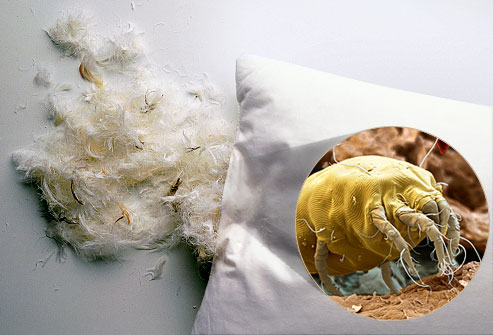
4. Pillows Collect Dust Mites and Piles of Dead Skin Over the Years
Here’s a fun fact: after three years, 10% of a pillow’s weight is dust and dead skin. If you use pillows with nano-fabric covers, no dust or skin flakes can get inside.
5. Unfortunately, Your Bed Is Full of Dust Mites and Dust Too
According to Dreams (a UK mattress specialist), an 8-year-old mattress contains over 4.5 kg of dead skin. The number of dust mites lurking inside can reach up to 10 million. You can vacuum your mattress regularly, but once they’ve burrowed deep, there’s not much you can do. An excellent line of defence is a nano-fabric mattress cover — wash it once every six months to a year, and that’s all the maintenance you need. You’ll know when it’s time for a wash by the state of the surface.
6. Your Pyjamas Probably Harbour Some Nasty Bacteria
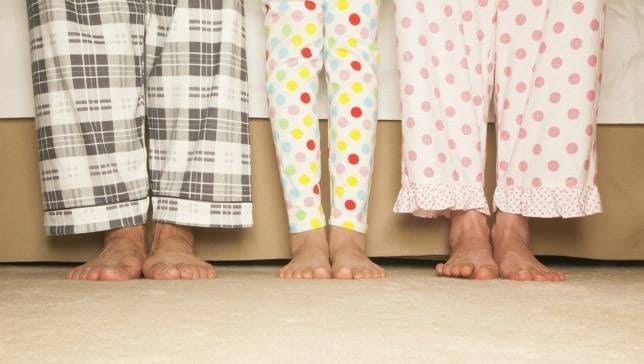
At least, they do if you’re like most people. A survey by Ergoflex found that the average woman wears the same pyjamas for 17 nights in a row. During that time, dead skin cells pile up alongside bacteria such as staphylococcus. Ideally, you should only wear the same pyjamas for three nights before washing them.
7. Your Body Produces 98 Litres of Sweat During Sleep Every Year
In a humid room, that’s a recipe for mould growth and unpleasant odours. Photocatalytic wall coatings are highly effective at fighting mould — they significantly reduce bacteria, viruses, and allergens in the room while also tackling odour. As a bonus, your walls stay white (provably snow-white for up to 10 years). These coatings only need daylight to work, and if your bedroom gets plenty of natural light, you can even apply them just to the ceiling.
8. Old Cosmetics Contain Dangerous Bacteria
Scientists from London Metropolitan University tested expired products and found dangerous substances in four out of five of them.
9. Viruses Can Survive on Door Handles for Up to 48 Hours
That means if someone who’s ill pays you a visit, you could still catch their bug up to 48 hours later. Door handles are one of the most common ways infections spread around the home.
10. Your Pet Sleeping in Bed Can Harm Your Health Too
Dogs and cats can bring a whole host of bacteria and viruses into your bed. That said, you don’t have to banish them straight away. If your immune system is on the weaker side, simply wash your bedding more often.