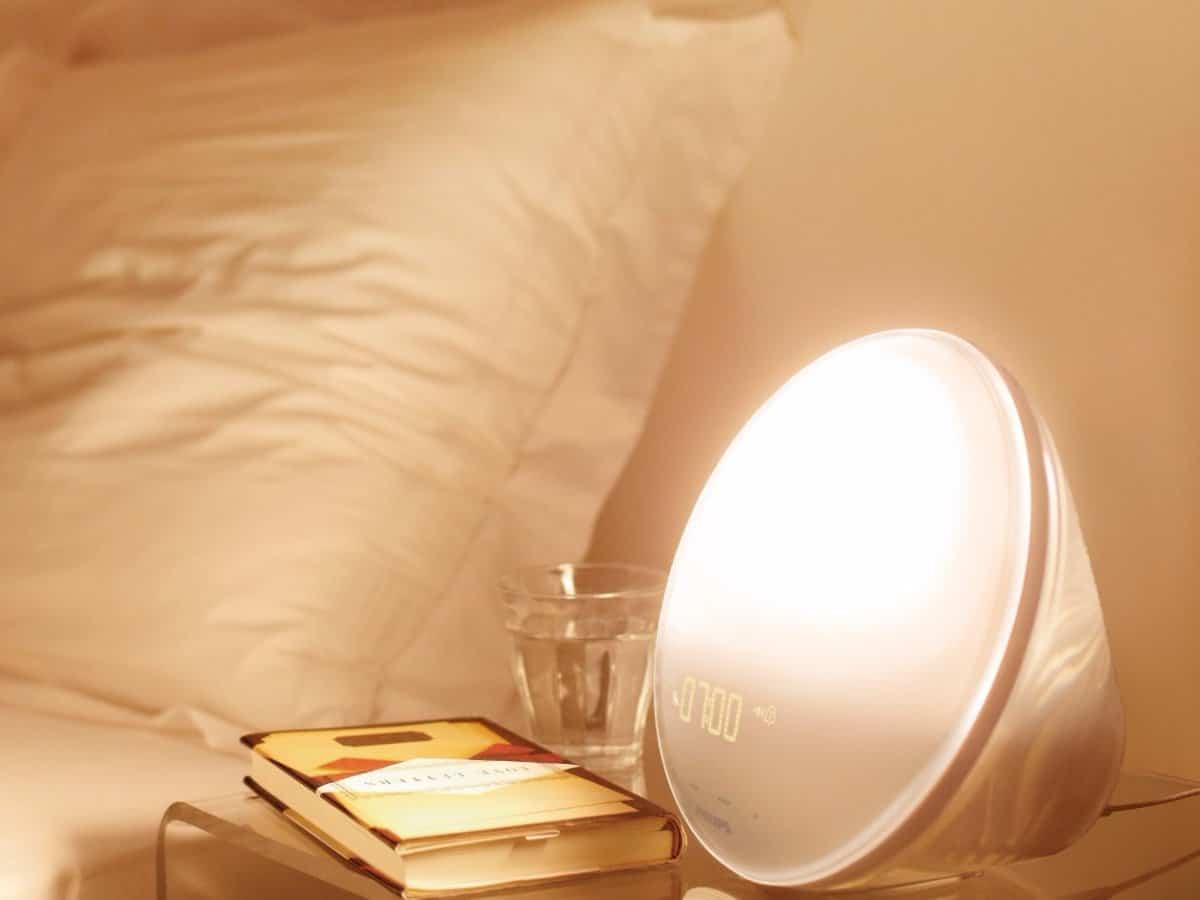
Getting out of bed is a daily battle for many of us. A traditional alarm clock rips you out of deep sleep, triggering a stress response and a groggy feeling that can linger all morning. But there’s a technology that changes the game: the sunrise alarm clock. How well you sleep shapes your entire day. Poor sleep doesn’t just affect your mood — it hits your productivity, immune system, and even your weight. That’s why I focus on tools that can genuinely improve sleep and make mornings easier.
TL;DR
- A sunrise alarm clock simulates dawn, promoting natural waking without the stress of a loud alarm.
- For allergy sufferers, it’s a game-changer: it combats morning fatigue caused by poor sleep due to inflamed mucous membranes.
- Gradual light helps regulate your circadian rhythm and optimise morning cortisol levels, improving alertness.
- Modern 2026 models offer features ranging from smart app integration to relaxation sounds and sunset simulation.
- Proper placement on your bedside table and gradually adjusting light intensity are key to getting the most out of it.
What is a sunrise alarm clock?
A sunrise alarm clock, sometimes called a dawn simulator, is a device designed to mimic the gradual brightening of the sky at sunrise. Instead of a sudden, blaring alarm, this wake-up light rouses you with slowly intensifying light. The process mirrors natural light changes, signalling your brain to gradually stop producing the sleep hormone melatonin and start producing wakefulness hormones like cortisol.
This process — often called waking up with light — typically takes 20 to 40 minutes, depending on the model and your settings. Modern devices let you choose from several colour spectrums, from warm red through orange to bright white daylight. The gradual increase in brightness ensures a gentle awakening without a stress response, making getting up significantly more pleasant.
For those who need a safety net, most models combine light with an optional audio signal — often nature sounds (birdsong, ocean waves) or FM radio. Another popular feature is sunset simulation, which works in reverse: both light and sound gradually fade, helping your body wind down and prepare for sleep.

Benefits of a sunrise alarm clock
The benefits of waking up this way are backed by human physiology. It’s not just about how it feels — real biochemical processes kick into action when you wake with light.
Promotes natural waking without shock
A sunrise-simulating alarm clock lets you wake in tune with your body’s evolutionary mechanisms. The gradually intensifying light — perceived even through closed eyelids — gives your brain time to transition smoothly from deep sleep to wakefulness. This avoids the sudden jolt and the flood of stress hormones that can throw off your entire morning.
Regulates your sleep cycle
Using a sunrise alarm clock regularly helps synchronise and stabilise your circadian rhythm. Morning light exposure is the single strongest signal for our internal body clock. Your body learns when to be active and when to rest, which leads to easier evenings falling asleep and easier mornings getting up. If you’re looking for more tips for better sleep, consistency is one of the most important factors.
Boosts morning energy and improves mood
Waking up with light has a demonstrable effect on your energy levels and mental state. Natural light stimulates the brain’s production of serotonin, a neurotransmitter linked to feelings of wellbeing and good mood. At the same time, it suppresses residual melatonin, effectively combating morning fatigue and “brain fog.”
Why a sunrise alarm clock is especially good for allergy sufferers
If you still wake up exhausted after eight hours in bed — as though you hadn’t slept at all — you’re not alone. For allergy sufferers, especially those with a dust mite allergy, this isn’t just a feeling; it’s a measurable reality. A sunrise alarm clock can be a truly transformative tool for us.
House dust mite (HDM) allergy systematically destroys sleep architecture. A large-scale French study found that more than 70% of adults with this allergy had to seek medical help for sleep problems. The reason is simple: unlike pollen allergy, where you can reduce exposure by closing a window, with HDM allergy you’re lying right in the epicentre of the problem every night. Overnight exposure to allergens in bedding triggers nasal mucosal inflammation. In a horizontal position, gravity causes the nasal turbinates to engorge and swell further. The result? A blocked nose, mouth breathing, snoring, and frequent micro-awakenings that fragment your sleep — without you even remembering them in the morning.
This disrupted sleep leads to a phenomenon known as “morning grogginess” — that sluggish, confused feeling and the inability to fully wake up. And this is exactly where waking with light enters the picture. Light hitting the retina signals the brain to naturally and gradually kick-start the Cortisol Awakening Response (CAR). While a blaring alarm causes a sudden, stressful cortisol spike, a sunrise-simulating alarm clock optimises this process. The smooth rise in cortisol effectively counteracts morning grogginess, improves cognitive function, and lifts your mood right after waking. For someone whose sleep is chronically disrupted by dust mites in the bed, it’s a path to far more functional, energised mornings.
How to use a sunrise alarm clock properly
To get the most out of your sunrise alarm clock, there are a few key principles to follow. Simply buying one isn’t enough.
Choosing the right model
The sunrise alarm clock market in 2026 is vast. When choosing, consider the key specs: maximum light intensity (measured in lux), adjustable dawn duration and colour temperature, sound quality, and extra features like app connectivity or sunset simulation. Below you’ll find a comparison of tried-and-tested models to help you decide.
Proper placement and timing
Place your sunrise alarm clock on your bedside table, roughly 40–50 cm from your head, so the light can fall directly on your face (even through closed eyelids). Make sure there’s nothing blocking the path between you and the clock. Set the wake-up time so that the dawn simulation finishes at the moment you actually need to get up.
Gradually adjusting light intensity
Quality models let you set the maximum light intensity. If you’re new to waking with light, I recommend starting at a low-to-medium setting and increasing it gradually as you adapt. The goal is to find a level that reliably wakes you without being uncomfortably glaring.
Top 5 models 2026 — comparison
When choosing a sunrise alarm clock, it pays to look at established brands and the features you’ll actually use. I’ve put together a comparison of five models that represent the best in their categories in 2026, from premium options to more budget-friendly picks.
| Model | Max. intensity (lux) | Gradual brightening | Additional features | Approximate price (2026) |
|---|---|---|---|---|
| Philips SmartSleep HF3650/01 | 315 lux | 5–60 minutes (adjustable) | FM radio, 8 sounds, sunset simulation, USB port, ambient light sensor | ~3 500 Kč |
| Lumie Bodyclock Shine 300 | 300 lux | 15–90 minutes (adjustable) | 14 sounds, FM radio, sunset simulation, night light | ~2 800 Kč |
| Hatch Restore 2 | Not specified (high) | Fully customisable via app | Smart app integration, sleep stories, meditation, white noise | ~4 500 Kč |
| Casper Glow Light | Not specified (lower) | 15–60 minutes (via app) | Portable (battery-powered), gesture control, multi-light sync | ~2 200 Kč |
| Beurer WL 75 | 2 000 lux (at 10 cm) | 15–60 minutes (adjustable) | FM radio, 6 sounds, Bluetooth speaker, app control | ~1 500 Kč |
Circadian rhythm and why morning light works
Your body is equipped with a fascinating internal clock known as the circadian rhythm. This 24-hour cycle influences everything from sleep and wakefulness to metabolism and mood. The master conductor of this orchestra is the suprachiasmatic nucleus (SCN), a tiny region in the brain that responds to light. When you perceive light in the morning, specialised cells in your retina send a signal to the SCN. This in turn suppresses the production of melatonin — the sleep hormone produced by the pineal gland. As melatonin drops, you start feeling more alert.
At the same time as melatonin is suppressed, light signals the body to start producing cortisol. Often associated with stress, cortisol in the right amounts is actually essential for waking up and feeling energised. While a conventional alarm clock does wake you, it often triggers a shock response and a stress-driven cortisol spike. A sunrise alarm clock works far more gently. The gradual increase in light intensity simulates a natural sunrise, allowing your body to transition smoothly from sleep mode to wakefulness. As a result, your circadian rhythm aligns better with daylight, leading to deeper sleep at night and more energised mornings. In essence, a sunrise alarm clock helps your biological clock work in harmony with the outside world.
For allergy sufferers whose sleep has been disrupted by overnight dust mite exposure, it’s an especially effective tool for morning relief.
SAD and seasonal affective disorder — when it helps most
You know that feeling when autumn and winter roll around — your mood dips, your energy plummets, and you crave sweets? You may be dealing with seasonal affective disorder, commonly known as SAD or winter depression. This condition is caused by a lack of natural light, which disrupts the balance of neurotransmitters in the brain such as serotonin (the “happiness hormone”) and melatonin (the sleep hormone). Insufficient light leads to excessive daytime melatonin production and reduced serotonin levels, resulting in fatigue, sadness, and apathy.
Light therapy has proven highly effective against SAD. It involves exposure to intense light of around 10,000 lux, typically for 20–30 minutes a day, ideally in the morning. This powerful light simulates a bright summer morning and helps regulate melatonin and serotonin production. It’s important to understand the difference: while a sunrise alarm clock gradually increases intensity to a few hundred lux to wake you, a dedicated SAD light therapy lamp delivers much higher intensity, which is necessary for a therapeutic effect. Light therapy is most helpful during winter months, for people living at northern latitudes with short days, and for night-shift workers who lack sufficient daylight. If you suspect you have SAD, consult your doctor for an appropriate treatment plan.
📖 You might also be interested in
Conclusion
A sunrise alarm clock isn’t just another tech gadget. For someone whose sleep is disrupted by chronic inflammation — as is the case with allergies — it’s a practical tool for improving quality of life. Switching from being jolted awake to a gentle, gradual awakening can transform not just your mornings, but your overall daily energy and productivity. It’s not a luxury; it’s an investment in your health.
So if you’re struggling with morning fatigue and looking for a way to give your body a better start to the day, don’t wait. Assess your needs using our comparison table above and consider investing in one of the recommended models. It’s a concrete step you can take for your sleep and health today.
😴 For a restful night’s sleep with allergies
A sunrise alarm clock takes care of the morning, but dust mites in your bedroom can ruin the night. Anti-dust-mite bedding keeps allergens out of your mattress, and an air purifier filters microparticles overnight. Combine both = you’ll actually sleep through until the morning light.
Frequently asked questions
How long does the sunrise alarm clock take to gradually brighten?
The gradual brightening time (dawn simulation) is adjustable on most models and typically ranges from 20 to 40 minutes. Some premium models allow settings of up to 90 minutes.
Can a sunrise alarm clock replace a traditional loud alarm?
Yes — for most people, the light is a strong enough stimulus to wake up. For very heavy sleepers, a backup audio signal kicks in at the end of the light cycle as a safety net.
Is a sunrise alarm clock suitable for everyone?
A sunrise alarm clock is generally safe and suitable for most people, including children and the elderly. If you have a specific eye condition or bipolar disorder, it’s advisable to consult your doctor before using one.
From what age is it suitable for children?
It’s generally recommended from the age when a child sleeps in their own bed and has an established sleep routine — typically from 3–4 years old. Always start with low light intensity and no sound to see how your child responds.
Does it help with depression and SAD?
Yes — light therapy is a recognised treatment for seasonal affective disorder (SAD). A sunrise alarm clock with high light intensity can help regulate mood and energy, especially during winter months. However, it does not replace professional treatment for clinical depression.
Does it work even if you’re not dreaming?
Yes, it does. Waking up with light is a physiological process that acts on your hormonal pathways (melatonin, cortisol) regardless of whether you’re in REM sleep (when dreaming occurs) or deep sleep. Light affects the brain through the retina, even when your eyes are closed.
Do sunrise alarm clocks emit blue light?
Yes, but in the right context. The morning light these clocks emit contains a higher proportion of blue wavelengths — and that’s actually desirable, as it mimics natural daylight and promotes alertness. Conversely, the sunset simulation feature suppresses blue light. You can read more about the effects of blue light and sleep in a separate article.
How long does it take to get used to waking with light?
Adaptation is very individual, but most users get used to this new way of waking up within 3 to 7 days. For the first few days, I’d recommend setting a quiet audio alarm as a backup until you’re confident the light will reliably wake you.