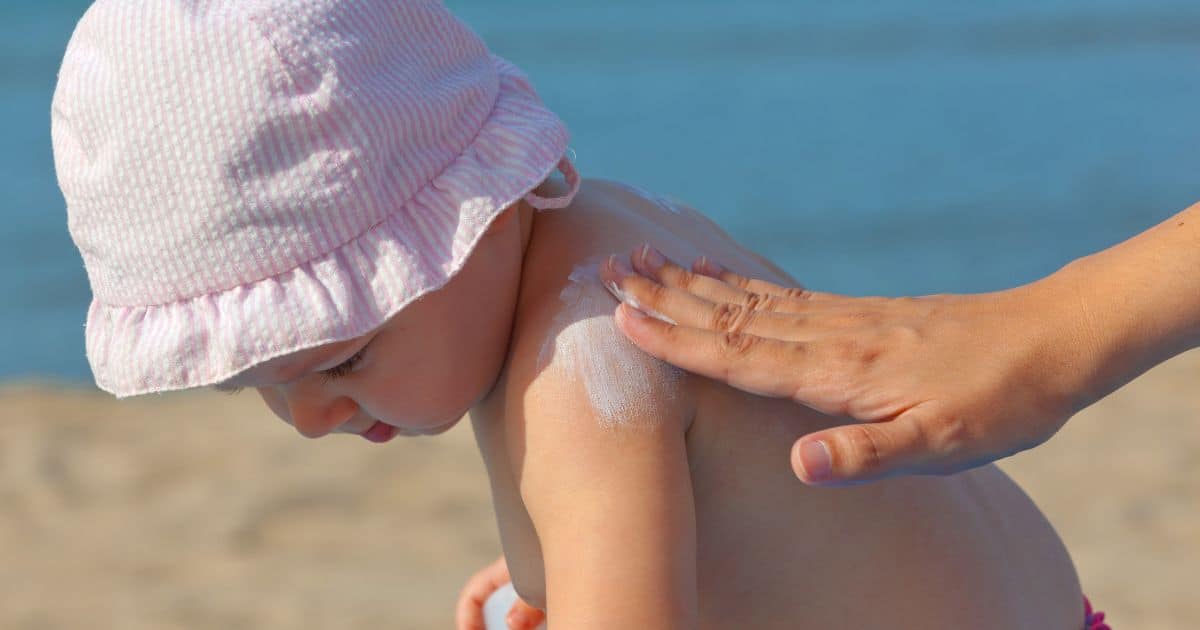
Children’s skin is incredibly delicate, and exposing it to the sun without proper protection can lead to serious health issues. One of them is sun allergy. It’s an often underestimated problem that can truly ruin summer for kids. Let’s take a closer look at the symptoms of sun allergy in children, so even little allergy sufferers can enjoy the holidays without misery.
Causes of sun allergy in children
The exact cause of sun allergy in children isn’t always easy to pinpoint. Usually, several factors play a role. Generally speaking, it’s an immune system reaction to ultraviolet (UV) radiation. There are two types of UV radiation that can trigger the allergy — UVA and UVB.
UVA radiation penetrates deep into the skin and, besides triggering allergies, also contributes to skin ageing and wrinkle formation. UVB radiation mainly affects the surface of the skin. It causes sunburn — again, on top of allergic reactions. Both types are harmful to children’s and adults’ skin alike and can increase the risk of skin cancer. That’s why consistent prevention matters: limiting sun exposure and using quality SPF creams that protect against both types of UV radiation.
Some children have a genetic predisposition to sun allergy, meaning they can inherit it. In others, the allergy may be triggered by certain medications or the use of particular cosmetic products that increase the skin’s sensitivity to sunlight. Skin type and the immune system also play a significant role in whether a sun allergy develops.
TIP: The most common allergies in children: How to recognise them and what to do
Symptoms of sun allergy in children
Symptoms of sun allergy in children appear anywhere from a few minutes to several hours after sun exposure. The main symptom is a sun rash. This can develop not only at the seaside, where the sun tends to be stronger, but also in less sunny climates.
Sun rash in children takes the form of blisters or hives, which typically:
- Turn red – The affected areas are often red and inflamed.
- Itch – The skin affected by the allergy itches intensely, so children scratch the rash, which only makes things worse.
- Burn – Children may complain of a burning sensation very similar to sunburn. However, it’s important to distinguish between the two early on.
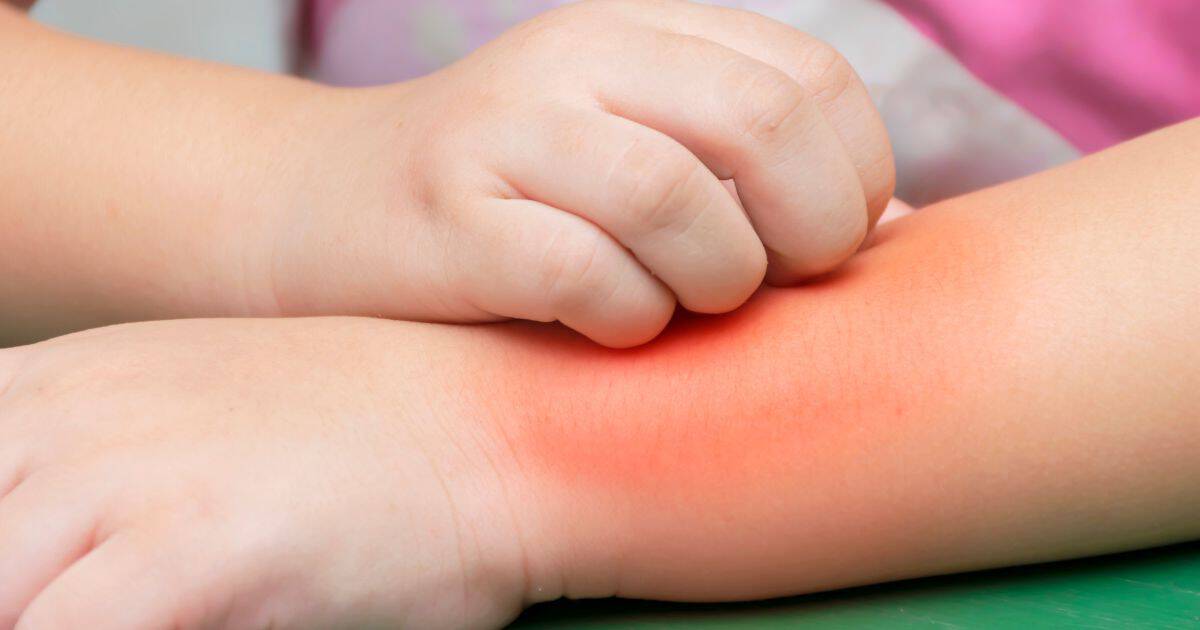
In more severe cases, children may develop a fever, headache, or nausea.
Learn more about sun allergy here.
How to treat sun rash in children
If your child develops a sun rash, there are several treatment options available:
- Antihistamines – These medications help relieve itching and swelling.
- Corticosteroids – Creams or ointments containing corticosteroids can reduce inflammation and redness.
- Cold compresses – Simple cold compresses can also bring children relief.
- Moisturising creams – They help keep the skin hydrated, which speeds up its recovery.
Especially when it comes to children, don’t hesitate to consult a doctor about the allergy. They can recommend a tailored treatment plan, perhaps involving stronger medication or different topical creams.
Also read: How to ease allergies in children
Preventing sun allergy in children
Naturally, you want your little allergy sufferer to avoid all those unpleasant symptoms. So don’t underestimate prevention. The cornerstone is limiting direct sun exposure as much as possible — especially between midday and 2 pm. That’s not always practical, though, so you’ll also need to:
- Apply sunscreen with SPF protection – Sunscreens with SPF are the foundation for preventing sun rash. With children, make sure to reapply regularly — after swimming or heavy sweating. We recommend using 100% natural sunscreen butter, which spreads easily, doesn’t leave a white residue, and — best of all — works immediately.
- Dress them in protective clothing – If you know your child’s sun allergy is fairly strong, put them in clothing with long sleeves and trousers. To keep them cool, however, choose breathable fabrics. Avoid very thin materials, as sun rays can pass right through them. A hat and sunglasses are a must.
TIP: The best strategy is to keep children in the shade and cover them up. Whether you’re in the garden, at the seaside, or anywhere near water, a quality children’s poncho will come in handy.
Diet also plays a role. Enrich your child’s meals with antioxidants — specifically vitamins A, C, E, and zinc. You’ll find these nutrients in citrus fruits, strawberries, nuts, seeds, carrots, spinach, meat, and seafood. If certain foods aren’t your child’s favourite, try dietary supplements.
You might also be interested in: 5 tips for getting rid of sun allergy
Frequently asked questions
Can a child outgrow sun allergy?
The immune system can gradually adapt to sunlight, and sun allergy in children may become milder over time. However, it’s not common for children to get rid of it entirely. That’s why it’s important to continue with preventive measures and protect the skin from the sun.
Why does my child get a sun rash at the seaside?
Sun rash in children at the seaside is typically caused by a combination of several factors: more intense sunlight, reflection of UV rays off the water and sand, higher humidity, and the use of unsuitable sunscreens that increase skin sensitivity rather than protect it.
How quickly does sun rash appear in children?
Symptoms of sun allergy in children can appear anywhere from a few minutes to several hours after sun exposure. The speed and severity of the allergic reaction depends on the skin’s sensitivity and the intensity of the sunlight.
What causes sun allergy in children?
Sun allergy in children is an overreaction of the immune system to ultraviolet (UV) radiation. This condition can be triggered by genetic predisposition, certain medications, or the use of particular cosmetic products that increase the skin’s sensitivity to sunlight.
What to do if your child has a sun rash?
Consult a doctor about treating sun rash in children. They will likely recommend antihistamines, corticosteroids, cold compresses, and moisturising creams. Before going out in the sun, apply sunscreen with SPF protection and dress your child in clothing that shields them from the sun.