
Sun allergy is an unpleasant skin reaction triggered by sunlight. It causes the most trouble in summer, when the sun is at its strongest. People who suffer from this condition don’t just deal with it on beach holidays — it can ruin any outdoor activity, even close to home. In this article, we’ll look at how to get rid of sun allergy and keep your skin happy all summer long.

How does sun allergy manifest?
Sun allergy is divided into four types: polymorphous light eruption, phototoxic and photoallergic reactions, Mallorca acne, and solar urticaria. Each type comes with slightly different symptoms, and treatment needs to be tailored accordingly.
The most common symptoms of sun allergy include:
- Rash and redness,
- blisters and swelling,
- fever,
- light sensitivity,
- headache and fatigue.
Read more about the individual types and symptoms of sun allergy here.
Sun allergy: How long does it last?
How long a sun allergy lasts depends on its severity, type, and underlying cause. Common triggers include genetics, a weakened immune system, certain medications, or hormonal changes. With the help of an allergist, you may be able to overcome sun allergy completely — but unfortunately, some people deal with it for life.
If you develop a sun rash, it should typically clear up within a few days. For more severe symptoms, it’s best to seek professional medical advice.

TIP: What does sun allergy look like in children?
How to get rid of sun allergy?
Below, we’ll share our best advice on how to get rid of sun allergy. First and foremost, start with prevention. Whether you’re heading abroad for a holiday or staying closer to home, protecting yourself from the sun is essential — especially in summer.
1) Use quality sunscreens
Invest in natural sunscreens with SPF protection that shield your skin from harmful UV rays. They spread easily and don’t leave white marks on the skin. They’re also designed to start working immediately after application.
Better still, you can jump straight into the water. Because natural sunscreens are also water-resistant, they’ll keep protecting you while you swim. Little ones who can’t sit still and dash straight into the water will particularly benefit from this.
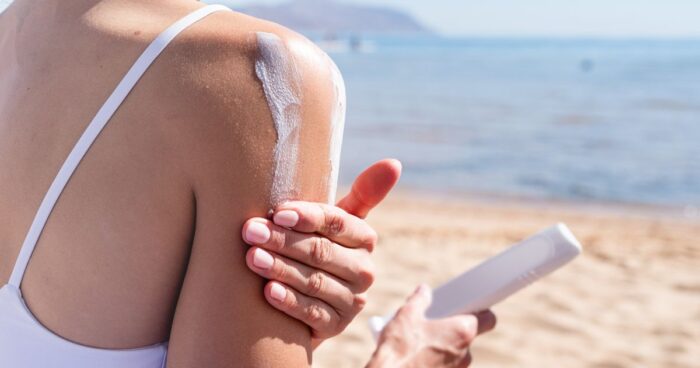
Don’t forget to reapply your sunscreen after swimming — cover both yourself and your child. The same goes if you’ve been sweating heavily.
You might also like: Best natural sunscreen
2) Avoid direct sunlight
Whenever possible, avoid sun exposure during peak hours. Going for a walk or spending time outdoors between 12 and 2 pm isn’t a good idea. If you really have no choice, stick to shaded paths and stay out of direct sunlight.
3) Wear protective clothing
Before heading out into the sun, pop a hat on. You should also try clothing with UV protection. The UV filter has thermoregulatory properties, which means dresses, t-shirts, or skirts will actually help keep you cool in summer.
The material used to make this clothing has been tested in healthcare settings. It’s suitable for very sensitive skin and skin prone to irritation — exactly the kind allergy sufferers tend to have. That makes UV-protective clothing both an effective and stylish way to get rid of sun allergy symptoms.
Also read: Once you try nano clothing, you’ll never go back
4) Avoid perfumes and non-natural cosmetics
Certain perfumes and cosmetic products can increase your skin’s sensitivity and make sun allergy worse. They often contain chemicals that are harmful to the body. Try to limit their use — not just during the summer months.
Today, there’s a wide range of cosmetic products that are gentle on both you and the environment. You can choose from body care, facial care, all the way to cosmetics for atopic skin.
5) Take antioxidants
Antioxidants such as vitamin C and E help protect your skin from sun damage. Make sure to include foods rich in these vitamins in your diet.
You’ll find vitamin E in eggs and pork, for example. Good sources of vitamin C include citrus fruits, kiwi, raspberries, and beef. You can also reach for dietary supplements.

Sun allergy: What helps?
If prevention has slipped through the cracks, here are some additional tips on how to get rid of sun allergy symptoms once they’ve appeared. This time, we’ll cover ways to treat the consequences of sun allergy. That said, we want to stress that treatment should always be determined by your allergist. Sun allergy can be treated with:
- Topical creams and ointments – An after-sun cream or a corticosteroid ointment can help relieve itching and inflammation.
- Antihistamines – Antihistamines help reduce itching and swelling.
- Immunotherapy – In severe cases, immunotherapy may be recommended to reduce the skin’s sensitivity.
We’ve covered several tips on how to get rid of sun allergy. As with all allergies, prevention is the most important step. Your summer toolkit should include sunscreens with SPF, UV-protective clothing, and vitamin C and E. Don’t forget to limit your time in direct sunlight — and if things take a turn for the worse, see a doctor.
TIP: Tattoo allergy: Symptoms and treatment
Frequently asked questions
Can sun allergy cause serious health problems?
Sun allergy doesn’t usually pose a serious health risk. However, some people may experience more intense symptoms. In any case, it’s a good idea to see a doctor who can advise you on how to get rid of sun allergy.
How long before sun allergy symptoms appear?
Sun allergy symptoms can appear within minutes to several hours after exposure to sunlight.
Can sun allergy occur on cloudy days?
Yes, sun allergy can flare up even on cloudy days because UV rays penetrate through clouds. The tips we’ve shared on how to get rid of sun allergy should therefore be followed in overcast weather as well.
Are there medications for treating sun allergy?
Certain antihistamines and corticosteroids can help relieve the symptoms of sun allergy. However, it’s always important to consult a doctor before taking any medication.